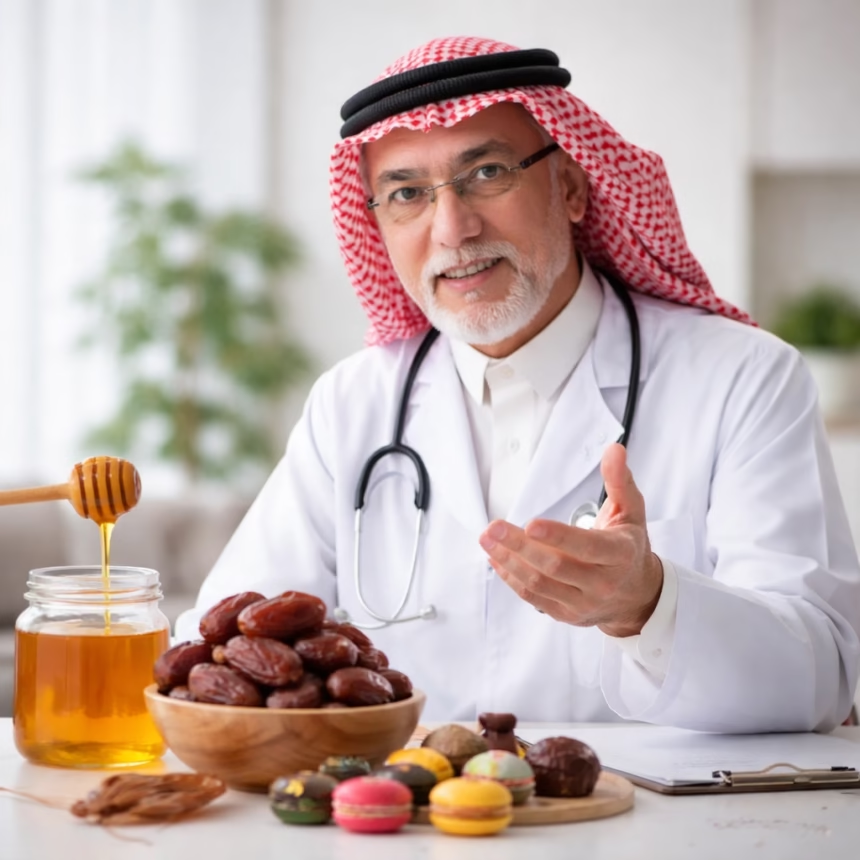
Sweet Treats: Expert Reveals How to Enjoy Dates, Honey & Sweets Safely
Riyadh, Saudi Arabia – Dr. Abdullah Al-Khuzaimi, a prominent Saudi nutritionist, recently offered detailed guidelines on consuming honey, dates, and sweets responsibly to avoid potential health complications. The advice, disseminated through the widely read Sabq news website on October 26, 2023, aims to educate the public on mindful indulgence.
Understanding the Sweet Spot: A Brief History
Dates and honey have held significant cultural and medicinal value in the Middle East for centuries. Dates, particularly, have been a staple food source in the region for millennia, revered for their nutritional content. Honey, too, has been recognized for its antibacterial and antioxidant properties. However, increasing consumption, coupled with a rise in processed sweets, has sparked concerns about potential health risks associated with excessive intake.
Dr. Al-Khuzaimi's insights come at a time when awareness surrounding dietary health is growing, particularly in Saudi Arabia, where rates of obesity and related conditions are a concern. The Saudi Ministry of Health has been actively promoting healthy eating habits through various campaigns since 2018, emphasizing balanced diets and portion control.
New Guidelines: What’s Changed?
Dr. Al-Khuzaimi emphasized the importance of moderation when consuming dates, honey, and sweets. His recommendations aren’t entirely new, but they represent a renewed focus on specific quantities and potential risks. He highlighted that while these foods offer nutritional benefits, overconsumption can lead to adverse effects.

Specifically, he cautioned against excessive date intake, especially for individuals with pre-existing conditions like diabetes. He suggested limiting date consumption to 2-3 dates per day for most adults. Regarding honey, Dr. Al-Khuzaimi advised consuming it in small amounts, no more than a teaspoon daily, due to its high sugar content. He further clarified the dangers of consuming processed sweets loaded with artificial sweeteners and fats.
His guidelines also addressed the potential risks associated with honey for infants under one year old, reiterating the established recommendation against its consumption due to the risk of botulism.
Who Needs to Be Aware?
The advice from Dr. Al-Khuzaimi impacts a broad spectrum of the Saudi population. Individuals with diabetes are particularly vulnerable, as excessive sugar intake can significantly impact blood glucose levels. People with obesity, cardiovascular disease, and liver conditions should also exercise caution and consult with their healthcare providers about appropriate consumption levels.
More Read

Families with young children are also encouraged to heed the warnings regarding honey and processed sweets. The emphasis is on fostering healthy eating habits from a young age to prevent future health problems. Furthermore, individuals with allergies to pollen or bee products should be mindful of potential reactions to honey.
Looking Ahead: Future Focus
The Saudi Ministry of Health is expected to incorporate Dr. Al-Khuzaimi’s recommendations into future public health campaigns. This includes developing educational materials and potentially collaborating with food manufacturers to promote healthier options.
Further research is also anticipated on the long-term effects of high sugar consumption on the Saudi population. The Ministry is planning to conduct surveys and studies to better understand dietary trends and identify areas for intervention. The goal is to proactively address the growing concerns surrounding sugar-related health issues.
Honey & Diabetes: A Critical Connection
Dr. Al-Khuzaimi specifically addressed the relationship between honey consumption and diabetes management. He explained that while honey has a lower glycemic index than refined sugar, it still significantly impacts blood sugar levels. Therefore, individuals with diabetes should carefully monitor their blood glucose and consult with their doctor or a registered dietitian to determine safe honey consumption levels, if any.
Date Varieties and Nutritional Value
He also pointed out that different date varieties have varying nutritional profiles. Medjool dates, for example, are higher in calories and sugar compared to other types. Choosing dates with lower sugar content, such as Deglet Noor, may be a healthier option for those watching their sugar intake.
More Read

The Hidden Sugars in Processed Sweets
Dr. Al-Khuzaimi strongly advised against consuming processed sweets, highlighting the excessive amounts of added sugars, artificial sweeteners, and unhealthy fats often found in these products. He recommended opting for natural sweeteners in moderation, like dates or honey, over highly processed alternatives.
This advice from Dr. Al-Khuzaimi serves as a crucial reminder for Saudis to enjoy their favorite treats responsibly, prioritizing their health and well-being. By understanding the potential risks and adhering to recommended guidelines, individuals can continue to enjoy the cultural significance of dates, honey, and sweets without compromising their health.