Dollar Surge: Is This the End of the Commodity Currency Era?
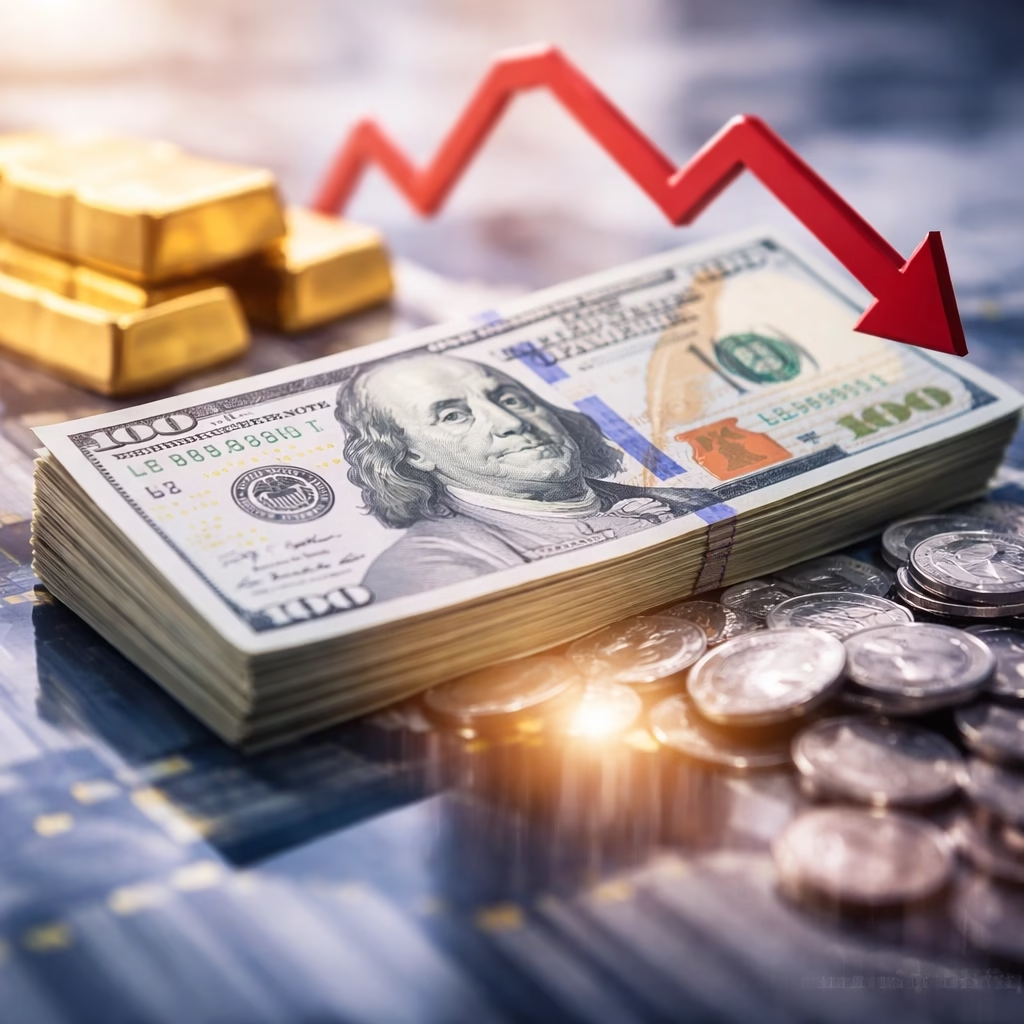
The US dollar is experiencing a notable strengthening trend in late 2023, fueled by a confluence of factors including declining commodity prices and a pullback in precious metals like gold and silver. This shift has sparked debate about the future of commodity-linked currencies and the dollar’s enduring role in the global financial system. The trend has been observed since mid-October, with analysts closely monitoring its implications for emerging markets and international trade.
Background: A Shifting Landscape
For decades, many countries tied their currencies to the price of commodities, particularly oil and other raw materials. This approach provided a buffer against inflation and a stable exchange rate. However, this system has faced increasing challenges in recent years, particularly with fluctuating commodity prices and evolving global economic policies. The Russia-Ukraine war, starting in February 2022, significantly impacted energy markets, contributing to inflationary pressures and accelerating the shift away from some commodity-linked currencies.
The US dollar's dominance as the world's reserve currency has been steadily growing since the Bretton Woods system collapsed in 1973. Its strength is attributed to the size and stability of the US economy, the depth and liquidity of its financial markets, and its widespread acceptance in international trade and investment. The dollar’s role as a safe haven during periods of global economic uncertainty has further solidified its position.
Key Developments: Prices Fall, Dollar Rises
The recent surge in the dollar has coincided with a decline in several key commodities. Oil prices, which reached highs above $120 per barrel in early 2022, have retreated to around $85-$90 per barrel in late November 2023. Similarly, industrial metals like copper and aluminum have experienced price declines. This decrease in commodity prices weakens the currencies of countries heavily reliant on commodity exports, such as Australia, Canada, and Brazil.
More Read

Gold and silver, traditionally considered safe-haven assets and often used as a hedge against inflation, have also seen a downturn. Gold, which peaked above $2000 per ounce in August 2022, is currently trading around $1900 per ounce. Silver has followed a similar trajectory, falling from over $25 per ounce to around $21 per ounce in recent weeks. This decline in precious metals' value reduces their attractiveness as alternatives to the dollar.
The US Federal Reserve's monetary policy also plays a crucial role. The Fed has maintained relatively high interest rates throughout 2023 to combat inflation. These higher rates make dollar-denominated assets more attractive to investors, further strengthening the currency.
Impact: Winners and Losers
The dollar’s strength has a mixed impact globally. For countries that import goods priced in dollars, such as many emerging economies, the stronger dollar makes imports more expensive, potentially exacerbating inflationary pressures. This can strain their economies and reduce purchasing power for consumers.

Commodity-exporting nations face challenges as their export revenues, typically denominated in dollars, decline due to lower commodity prices. This can lead to budget deficits, currency depreciation, and reduced investment. Countries like Australia, which relies heavily on iron ore exports to China, are particularly vulnerable. Argentina, facing a severe economic crisis, is struggling to manage its dollar debt.
However, countries with significant dollar reserves benefit from the currency’s strength. They can use these reserves to repay dollar-denominated debts and to invest in dollar-denominated assets.
What Next: The Road Ahead
The future trajectory of the dollar and the commodities market remains uncertain. Several factors will likely influence the next few months.
Interest Rate Outlook
The Federal Reserve’s future interest rate decisions will be closely watched. If the Fed signals a pause or even a cut in interest rates, it could weaken the dollar. However, if inflation remains stubbornly high, the Fed may maintain its hawkish stance, supporting the dollar’s strength.
Commodity Price Volatility
Geopolitical events, supply chain disruptions, and changes in global demand will continue to influence commodity prices. A resurgence in commodity prices could provide support to commodity-linked currencies and potentially weaken the dollar.
Geopolitical Risks
The ongoing conflict in Ukraine and other geopolitical tensions introduce significant uncertainty. Increased geopolitical risk often leads investors to seek safe-haven assets, potentially boosting the dollar’s value.
More Read

Analysts predict that the dollar will likely remain strong in the short to medium term. However, the long-term future of the dollar's dominance is debated, with some suggesting the rise of alternative currencies or a multi-polar financial system. The coming months will be crucial in determining the direction of these trends.