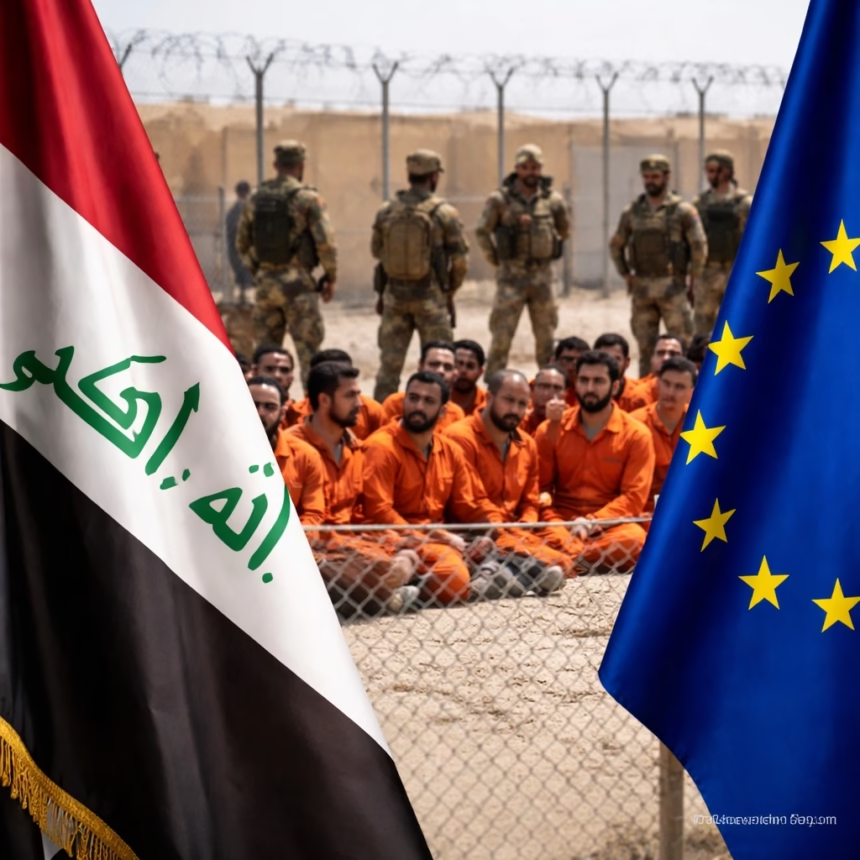
European Citizens Trapped: Baghdad Appeals for Rescue from ISIS Captivity
Baghdad has made a direct appeal to European nations for assistance in evacuating their citizens currently detained in Iraq, reportedly held by individuals formerly associated with the Islamic State of Iraq and Syria (ISIS). The request, made on October 26, 2023, highlights the ongoing challenges in managing the aftermath of the ISIS conflict.
Background: A Lingering Crisis
Following the territorial defeat of ISIS in Iraq and Syria between 2017 and 2019, thousands of foreign nationals, including European citizens, remained in Iraqi prisons. These individuals are held on various charges, ranging from direct participation in ISIS activities to alleged support and association. The Iraqi government maintains that these detainees pose a security risk and are necessary to prevent the resurgence of extremist ideologies.
The situation has been a complex diplomatic hurdle for years, with European governments struggling to balance their citizens' safety with Iraq's security concerns. Negotiations have been intermittent, often stalled by disagreements over the vetting process and the legal status of the detainees. Prior attempts at repatriation have faced logistical and political obstacles.
Key Developments: A Renewed Push
Recent weeks have seen a renewed push from Baghdad to facilitate the transfer of these foreign nationals to their home countries. The Iraqi government, led by Prime Minister Mohammed Shia' al-Sudani, has reportedly offered to cooperate fully with European authorities in verifying the identities and assessing the security risks associated with each individual.
More Read

The appeal follows a series of meetings between Iraqi and European diplomats in Baghdad, focusing on streamlining the legal and administrative processes required for repatriation. Specifically, discussions have centered on establishing a joint working group to expedite the vetting process and to address concerns regarding the potential for radicalization among the detainees.

Furthermore, there have been reports that Iraq is seeking international assistance in establishing rehabilitation programs for former ISIS fighters and their families, a key component of long-term stability.
More Read

Impact: Families and Governments Under Strain
Impact on Families
The prolonged detention of their loved ones has placed immense emotional and financial strain on European families. Many have spent years lobbying their governments and seeking assistance from humanitarian organizations. The uncertainty surrounding the fate of these citizens has led to significant psychological distress.
Impact on European Governments
European governments face considerable pressure from citizens and advocacy groups to secure the release of their nationals. The situation also presents a complex diplomatic challenge, requiring careful navigation of Iraqi legal and security concerns. Failure to address the situation effectively can damage international relations and fuel public discontent.
What Next: A Path to Repatriation?
The immediate focus is on establishing a clear framework for the vetting and repatriation process. This includes agreeing on standardized procedures for verifying the identities of the detainees, assessing their security risks, and ensuring their safe return to their home countries.
Several key milestones are expected in the coming months. These include the formation of the joint working group mentioned earlier, the commencement of individual assessments of the detainees, and the negotiation of agreements for the transfer of custody.
However, significant challenges remain. These include addressing the legal complexities surrounding the detainees' cases, navigating political sensitivities within Iraq, and ensuring the long-term security of both the repatriated citizens and the Iraqi population.
The Iraqi government has emphasized its commitment to working collaboratively with European partners to achieve a peaceful and sustainable resolution to this complex issue. The success of this undertaking will be a crucial test of international cooperation and a significant step towards healing the wounds left by the ISIS conflict.