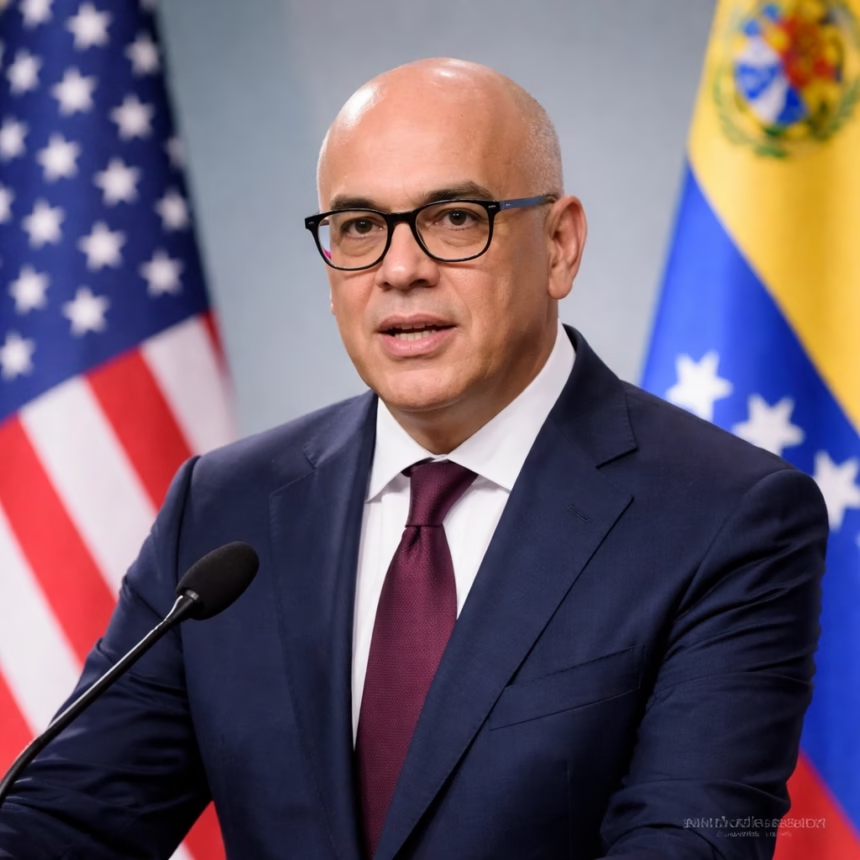
In a surprise move, Nicolás Maduro, the president of Venezuela, has been invited to visit the United States, amidst growing tensions between the two countries. The invitation comes at a time when Maduro's government is facing increasing international pressure over its human rights record and economic crisis.
The relationship between Venezuela and the United States has been strained since the 1990s, when the US imposed economic sanctions on the country. The sanctions were tightened in 2017, after Maduro won a disputed presidential election. Since then, the US has been supporting opposition leader Juan Guaidó in his bid to overthrow Maduro's government. Venezuela's economic crisis, which has led to widespread poverty and shortages of basic goods, has also been a major point of contention between the two countries.
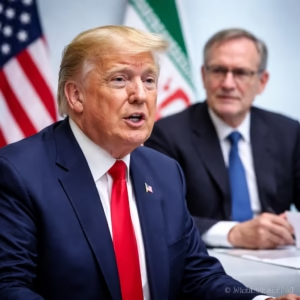
In recent months, there have been several developments that have contributed to the current situation. In January, the US Congress passed a bill that would allow the president to impose stricter sanctions on Venezuela. The bill, which was signed into law by President Donald Trump, includes provisions that would target Maduro's inner circle and restrict the sale of Venezuelan oil to the US. Maduro's government has responded by accusing the US of trying to overthrow him and has threatened to take retaliatory measures.
The impact of the US sanctions has been severe, with many Venezuelans struggling to access basic goods and services. The crisis has also had a significant impact on the country's economy, with inflation soaring and the value of the Venezuelan bolivar plummeting. Maduro's government has been accused of exacerbating the crisis through its own policies, including price controls and currency restrictions.
The visit to the US is seen as a significant development in the ongoing crisis in Venezuela. Maduro's government has been trying to present itself as a democratic and legitimate government, and the visit could be an opportunity for him to present a more positive image. However, the US has made it clear that it will continue to support opposition leader Juan Guaidó in his bid to overthrow Maduro's government. The visit is also likely to be closely watched by the international community, with many countries continuing to call for a peaceful resolution to the crisis.
More Read

Maduro's visit to the US could be seen as a diplomatic gambit to improve relations with the country and reduce pressure from the international community. However, the move has also been criticized by many Venezuelans, who see it as a sign of Maduro's willingness to compromise on his own policies and values.
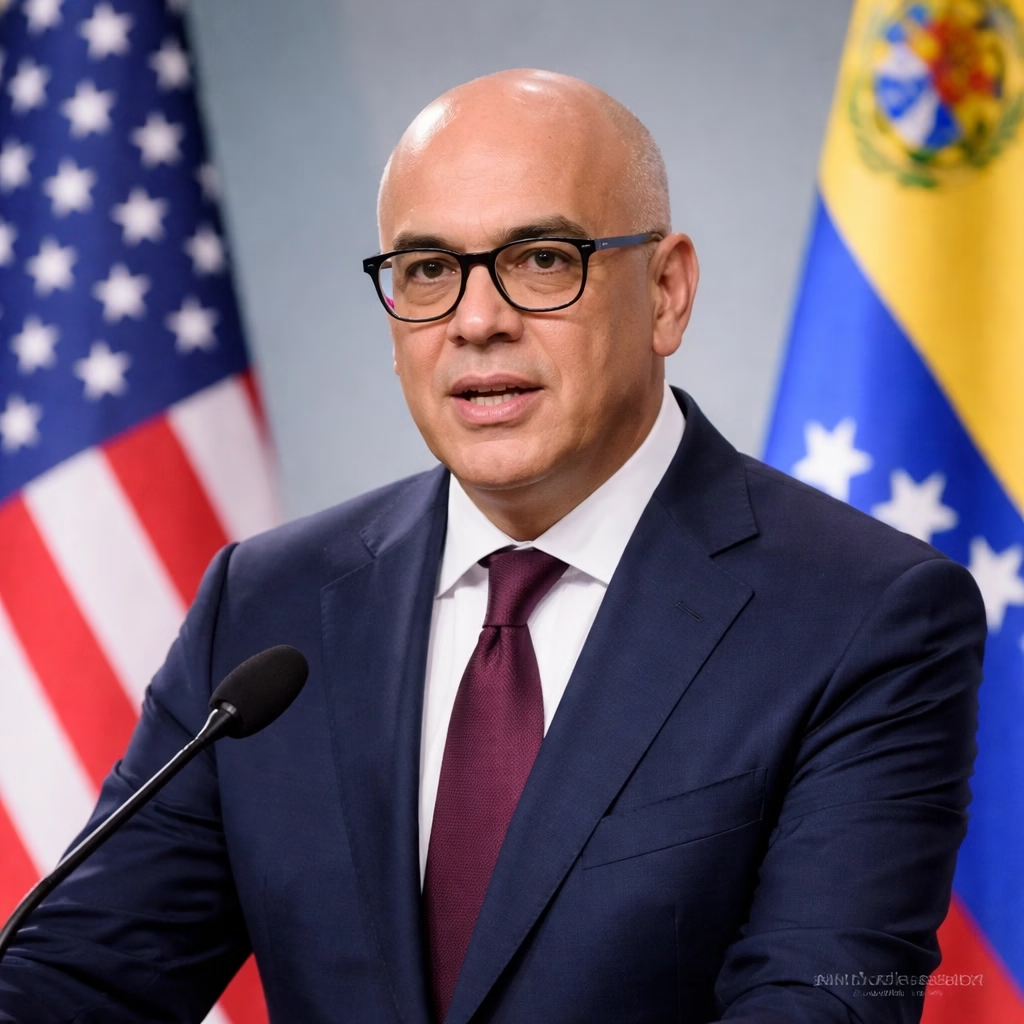
The US has responded to Maduro's visit by reiterating its support for opposition leader Juan Guaidó. The US has also announced that it will continue to impose sanctions on Maduro's government until it accepts a transition to democracy. The move is seen as a significant development in the ongoing crisis in Venezuela, and could have implications for the country's future.