Gen Z's Vote: A New Era for Bangladesh?
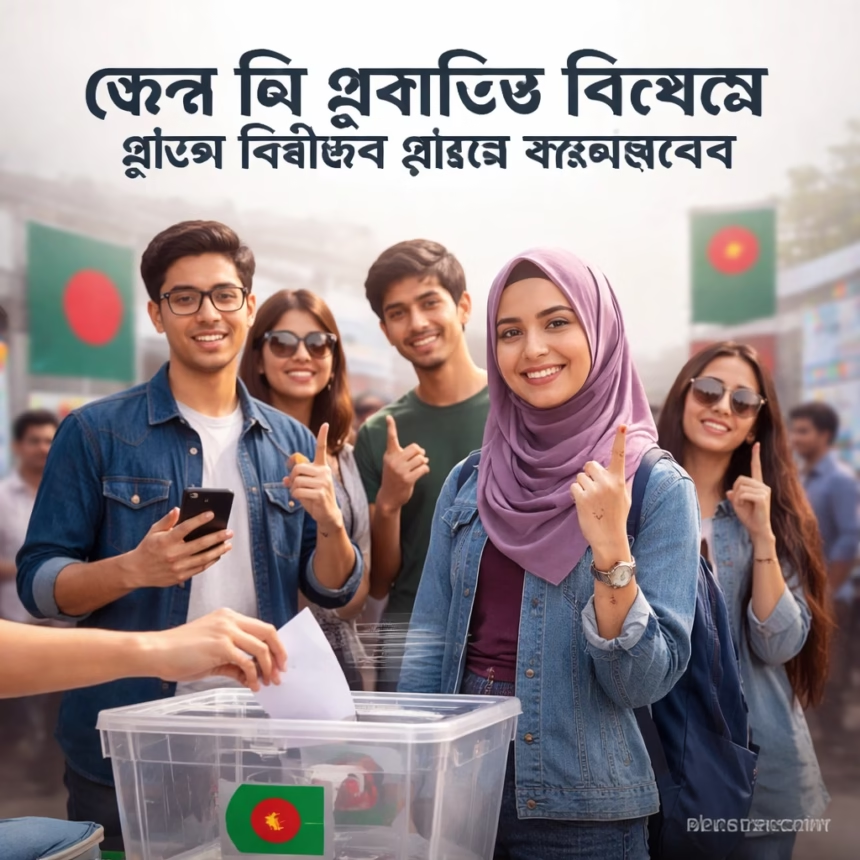
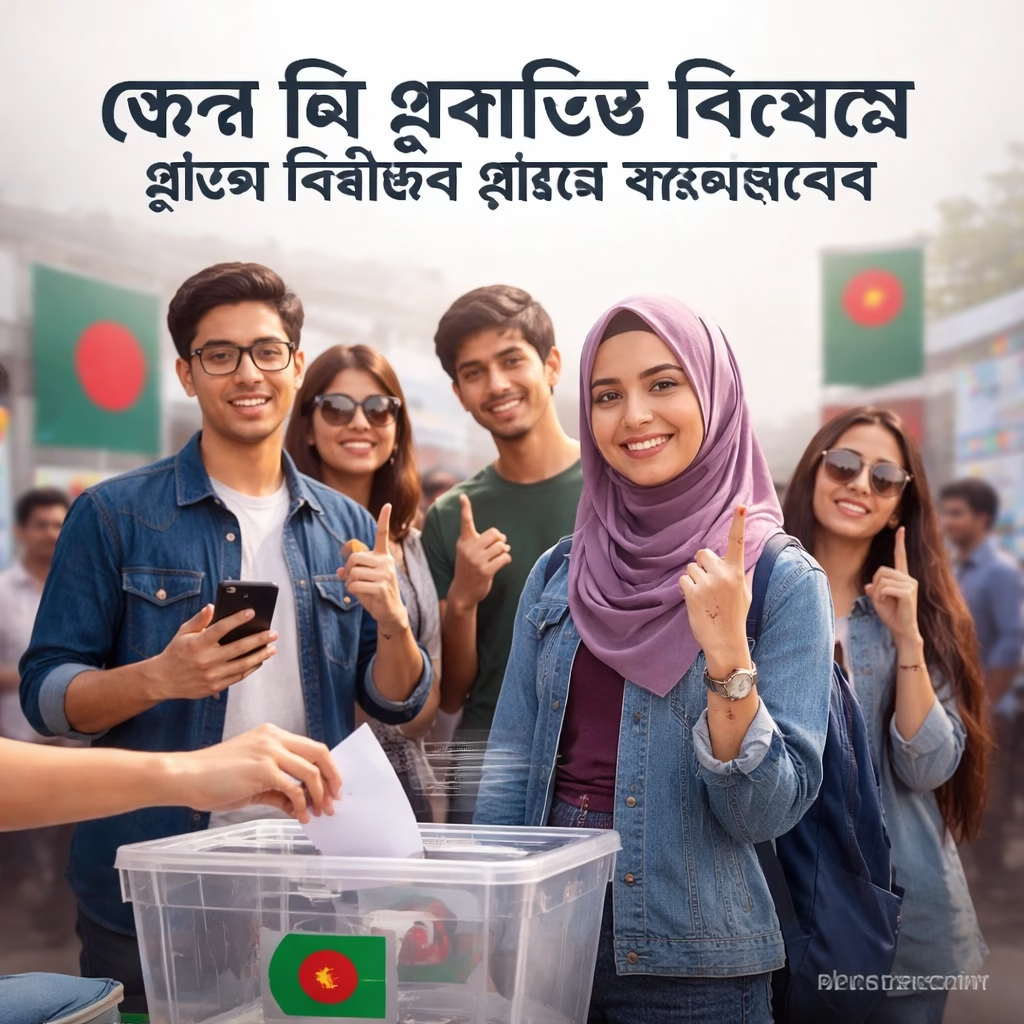
Bangladesh is gearing up for a pivotal election, poised to be significantly shaped by the burgeoning influence of Generation Z. This upcoming election, slated for January 7, 2024, marks a potential turning point, with young voters playing an unprecedented role in the nation's political landscape.
Background: A Nation’s Evolving Political Landscape
Bangladesh has a history of vibrant, albeit often turbulent, political transitions since its independence in 1971. The country transitioned to multi-party democracy in 1991, following years of one-party rule. Elections have been held regularly since, though often marked by controversy and allegations of irregularities. Historically, voter turnout has been relatively high, but younger demographics have traditionally been less engaged in the electoral process.
The rise of digital connectivity and social media has fundamentally altered how information is disseminated and political discourse unfolds in Bangladesh. This shift has created a fertile ground for Gen Z to participate and mobilize around political issues.
Key Developments: The Rise of the Digital Voter
Several recent developments point towards Gen Z's growing political power. Increased access to smartphones and internet connectivity, particularly in urban areas like Dhaka and Chittagong, has empowered young people to access information and engage in online political discussions. Social media platforms like Facebook, Twitter (X), and Instagram have become crucial spaces for political organizing and activism.

Furthermore, youth-led political organizations and advocacy groups are gaining prominence. Groups focusing on issues like climate change, education, and economic opportunity are successfully mobilizing young voters. The recent student protests demanding better educational facilities and job opportunities have demonstrated the potential for collective action among this demographic.
The Election Commission of Bangladesh has also taken steps to facilitate youth participation, including voter registration drives targeting young people and utilizing digital platforms for voter education.
More Read

Impact: Shaping the Future of Bangladesh
The potential impact of Gen Z's participation in the election is far-reaching. Their priorities often differ from older generations, placing greater emphasis on issues such as sustainable development, technological advancement, and social justice. Their engagement could push political parties to address these issues more seriously in their platforms and policies.
Young voters are also more likely to be critical of corruption and demand greater transparency from their elected officials. This could lead to a shift in political accountability and a greater focus on good governance. Their digital fluency also means they are adept at holding politicians accountable through online scrutiny and social media campaigns.
The election outcome will likely influence policy decisions related to education, healthcare, and economic development, potentially leading to more youth-centric policies.
Digital Activism & Social Media’s Role
Platforms like Facebook and YouTube are central to Gen Z’s political engagement. Campaigns are increasingly leveraging short-form video content and influencer marketing to reach young voters. However, concerns remain regarding the spread of misinformation and the potential for online manipulation.
Key Issues for Gen Z Voters
Climate change is a major concern for many young Bangladeshis. They are demanding policies that address the country’s vulnerability to climate-related disasters. Job creation and economic opportunities, particularly in the technology sector, are also high on their priority list. Access to quality education and affordable healthcare are other key issues.
What Next: Anticipating the Election’s Aftermath
The results of the election are expected to be closely watched, and the implications for Bangladesh’s political future are significant. Regardless of the outcome, the increased participation of Gen Z is likely to reshape the political landscape for years to come.
More Read

Post-election, there will be a crucial period of consolidation as the winning party forms a government and begins to implement its policies. Civil society organizations and youth groups will continue to monitor government actions and advocate for their priorities. The focus will be on ensuring free and fair elections and fostering a more inclusive and participatory democracy.
The government's response to youth concerns, particularly regarding economic opportunities and climate change, will be a key indicator of its commitment to addressing the needs of the next generation. The coming months will be critical in determining whether Bangladesh can truly harness the power of its youth to build a more prosperous and sustainable future.