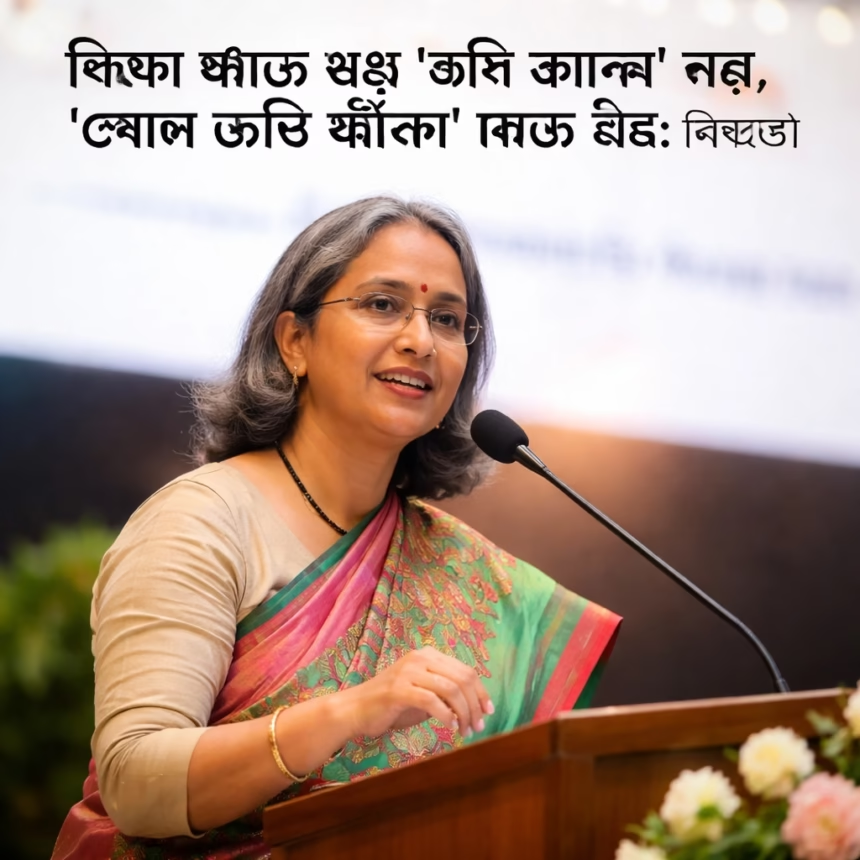
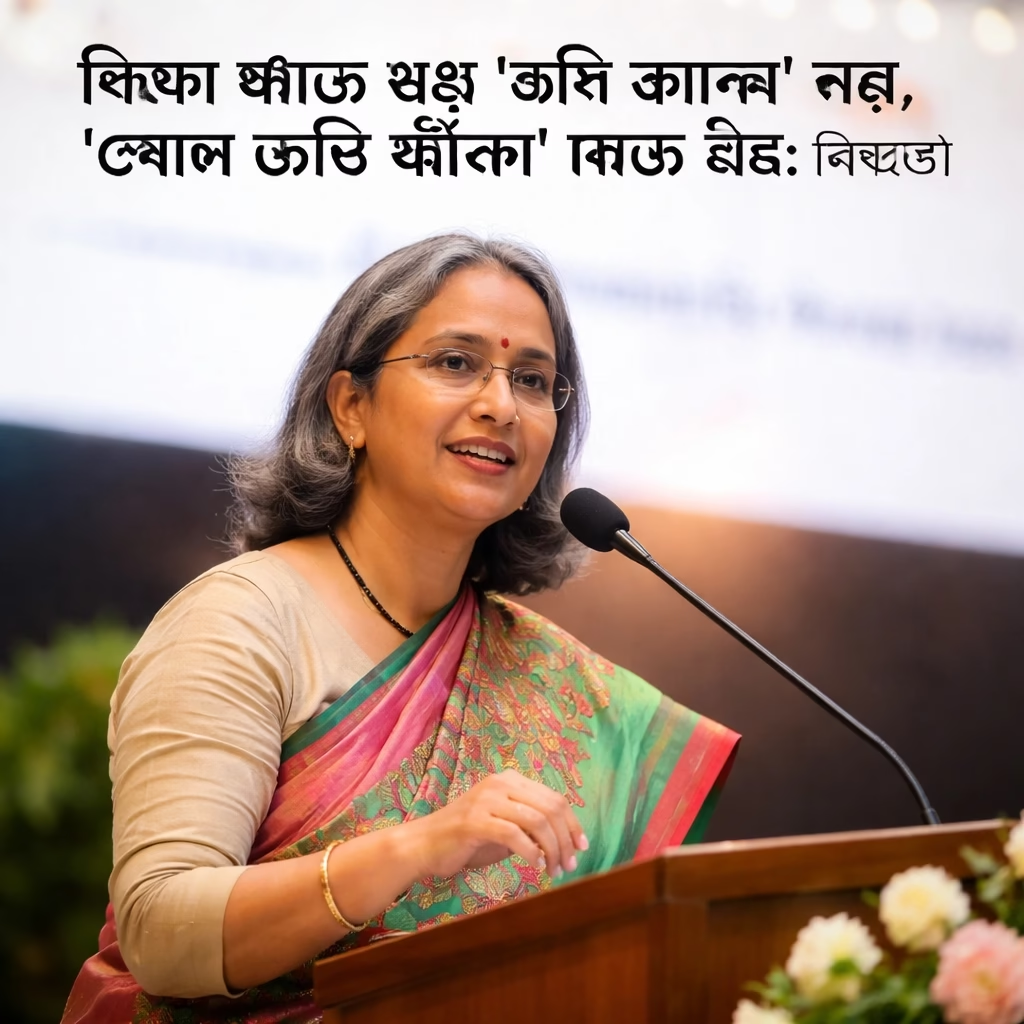
Dhaka, Bangladesh – Education Minister Dipu Timol recently emphasized a shift in focus within the Bangladeshi education system, urging for a move beyond purely academic achievement to cultivate well-rounded individuals capable of critical thinking and practical application. The statement, made on October 26, 2023, at a national education conference, highlights a growing recognition of the limitations of a system primarily geared towards high scores and standardized tests.
Background: A System Under Scrutiny
The current education system in Bangladesh, largely modeled after the British system, has long prioritized rote learning and examination performance. This approach, prevalent since the country's independence in 1971, has resulted in a system often criticized for its inability to foster creativity, innovation, and problem-solving skills. While significant progress has been made in expanding access to education, particularly at the primary and secondary levels, concerns remain regarding the quality of education and its relevance to the demands of the modern workforce. The government has repeatedly acknowledged these shortcomings, initiating several reforms over the past decade. Key initiatives include the implementation of the National Education Policy 2010 and subsequent revisions, aiming to modernize curricula and enhance teaching methodologies. However, consistent implementation and effective monitoring have proven challenging.
Key Developments: Focus on Skill Development
Minister Timol’s recent remarks are part of a broader movement pushing for a more skills-based education approach. This initiative is gaining momentum following the publication of a report by the Bangladesh Institute of Development Studies (BIDS) in June 2023, which highlighted the skills gap between the current education system and the demands of the labor market. The report indicated that a significant percentage of graduates lack the practical skills required for employment.
Specifically, the ministry is exploring several avenues to achieve this change. These include:

* Curriculum Review: A comprehensive review of the national curriculum is underway, focusing on incorporating practical skills, vocational training, and entrepreneurship education. The goal is to integrate these elements across all levels of education, from primary school to university.
* Teacher Training: The ministry is investing in professional development programs for teachers, equipping them with the skills to facilitate active learning, critical thinking, and problem-solving. Training will emphasize experiential learning, project-based learning, and collaborative activities.
* Vocational Training Expansion: Expanding access to quality vocational training programs aligned with industry needs is a priority. This includes strengthening existing vocational institutions and establishing new ones in underserved areas. The government is also exploring partnerships with private sector companies to ensure relevance and employment opportunities for graduates.
* Emphasis on Soft Skills: Recognizing the importance of interpersonal skills, the curriculum will increasingly incorporate training in areas such as communication, teamwork, and leadership.
Impact: Ripple Effects Across the Nation
The proposed changes will have a wide-ranging impact on various stakeholders. Students will benefit from a more engaging and relevant education, fostering a love for learning and equipping them with skills for future success. Teachers will have opportunities for professional growth and to adopt innovative teaching methods. Parents will be reassured that their children are receiving an education that prepares them for the demands of the 21st-century workforce.
The impact on the economy is also expected to be significant. By addressing the skills gap, the education system can contribute to increased productivity, innovation, and economic growth. Furthermore, a more skilled workforce can attract foreign investment and create new job opportunities. The government estimates that successful implementation of these reforms could lead to a 7% increase in GDP within the next five years. However, effective implementation hinges on addressing challenges such as resource allocation and teacher training capacity.
More Read

What Next: A Path Forward
The ministry has outlined several key milestones for the coming years.
* Q1 2024: Completion of the curriculum review process and the development of a revised curriculum framework.
* Q2 2024: Launch of pilot vocational training programs in selected districts.
* Q3 2024: Implementation of teacher training programs focusing on active learning methodologies.
* Q4 2024: Expansion of vocational training programs to cover a wider range of skills and industries.
* 2025-2027: Nationwide implementation of the revised curriculum and expanded vocational training programs. Regular monitoring and evaluation will be crucial to assess progress and make necessary adjustments.
Addressing Challenges
Several challenges remain in translating these ambitious goals into reality. One major challenge is the limited financial resources available for education reform. The government is exploring various funding mechanisms, including public-private partnerships and international aid, to address this issue. Another challenge is the need to address teacher absenteeism and improve teacher morale. The ministry is implementing measures to address teacher absenteeism and provide incentives for teachers to stay in the profession. Furthermore, ensuring equitable access to quality education for all children, particularly those from marginalized communities, remains a critical priority.