
Silent Crisis: Millions Face Kidney Failure in Nigeria
A concerning report released this week by nephrologists highlights the widespread prevalence of kidney disease in Nigeria, affecting a significant portion of the population. Experts warn that the rising number of cases poses a major challenge to the nation's healthcare system, demanding urgent attention and proactive intervention.
Background: A Growing Concern
Kidney disease has been a growing public health concern in Nigeria for several years. While precise figures have been difficult to obtain consistently, estimates have been steadily climbing. Factors contributing to this rise include diabetes, hypertension, infections like malaria and HIV, and the consumption of traditional medicines with unknown safety profiles. The situation has been escalating since the early 2000s, coinciding with changes in lifestyle and increasing urbanization across the country.
Historically, access to renal care in Nigeria has been limited, concentrated primarily in major cities like Lagos, Abuja, and Ibadan. This disparity creates significant barriers for individuals in rural areas, hindering timely diagnosis and treatment.
Key Developments: Recent Findings and Warnings
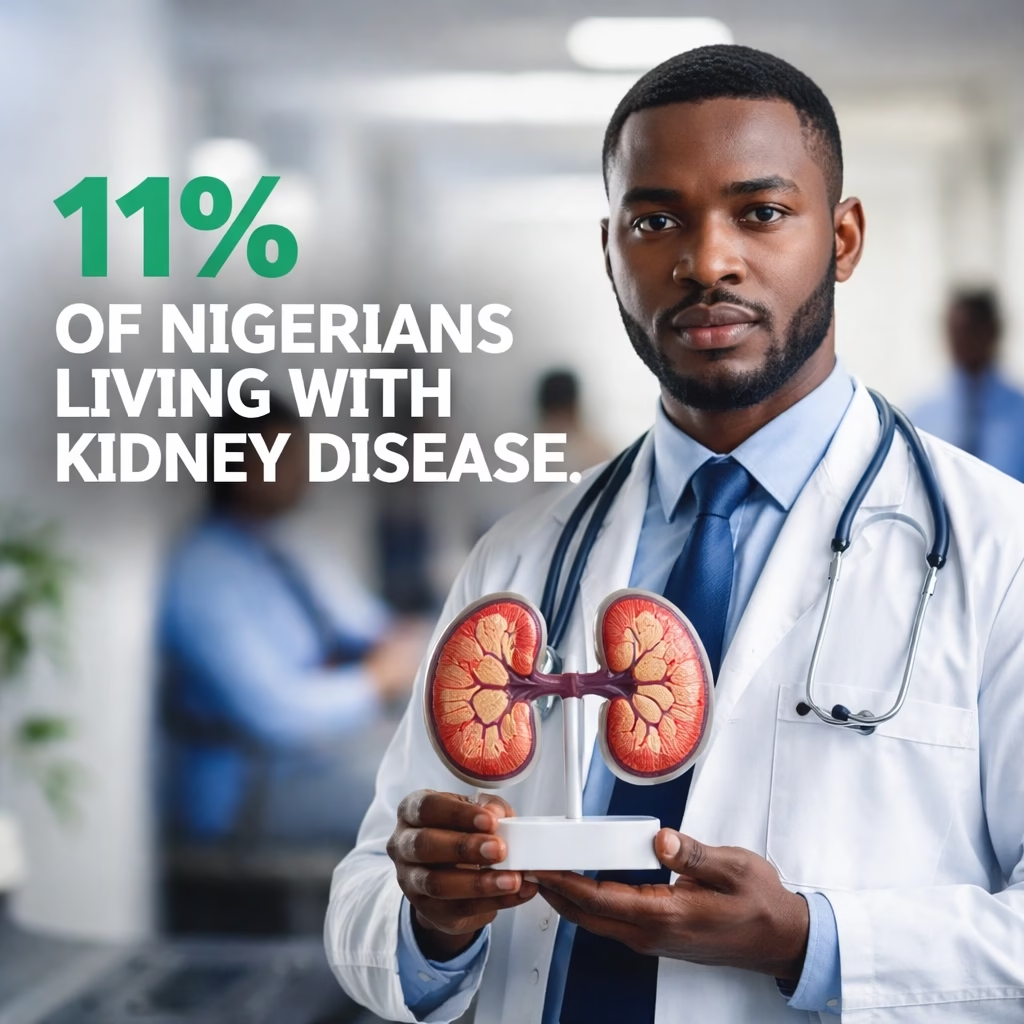
The recent report, compiled by the Nigerian Society of Nephrology (NSN) and presented at the National Medical Conference in Abuja on October 26, 2023, reveals that approximately 11% of the Nigerian population is living with some form of kidney disease. This translates to an estimated 60 million people affected. The NSN emphasized that this figure is likely an underestimate, given the challenges in nationwide screening and data collection.
More Read

A significant trend identified is the increasing incidence of diabetic nephropathy, a kidney disease caused by diabetes. The rising prevalence of diabetes in Nigeria, fueled by dietary changes and sedentary lifestyles, directly contributes to this surge in kidney disease cases. Furthermore, the report noted a concerning increase in cases of acute kidney injury (AKI), often triggered by infections or exposure to nephrotoxic substances.
Impact: A Heavy Burden on Individuals and Society
Personal Impact
For individuals diagnosed with kidney disease, the impact is profound. Many face a long and arduous journey involving medication, dietary restrictions, and potentially, dialysis or kidney transplantation. The financial burden of treatment is often overwhelming, pushing families into poverty. Access to affordable and quality medical care remains a major obstacle for many Nigerians.
Economic Impact
Beyond the individual suffering, kidney disease places a significant strain on the Nigerian economy. Healthcare costs associated with treatment, including dialysis and transplantation, are substantial. Lost productivity due to illness and premature death further exacerbates the economic burden. The lack of adequate renal care infrastructure also hinders economic development, particularly in regions with limited access to healthcare services.
More Read

What Next: Towards Improved Care
The NSN and other stakeholders are calling for a multi-pronged approach to address the escalating kidney disease crisis. Key priorities include strengthening primary healthcare systems to improve early detection, expanding access to affordable dialysis and transplantation services, and promoting public awareness campaigns to educate Nigerians about risk factors and preventive measures.
Proposed Initiatives
- National Renal Registry: Establishing a comprehensive national renal registry to accurately track the incidence and prevalence of kidney disease across the country.
- Investment in Renal Infrastructure: Expanding the number of dialysis centers and kidney transplant facilities, particularly in underserved regions.
- Public Health Campaigns: Launching nationwide campaigns to raise awareness about risk factors, promote healthy lifestyles, and encourage early screening for kidney disease.
- Regulation of Traditional Medicine: Implementing stricter regulations to ensure the safety of traditional medicines and prevent the use of nephrotoxic substances.
The Nigerian government, in collaboration with healthcare professionals and civil society organizations, needs to prioritize kidney health to mitigate the devastating impact of this silent crisis. Proactive measures are crucial to prevent further deterioration and improve the quality of life for millions of Nigerians affected by kidney disease.