Saudi Arabia's Massive Budget: A Regional Power Shift?
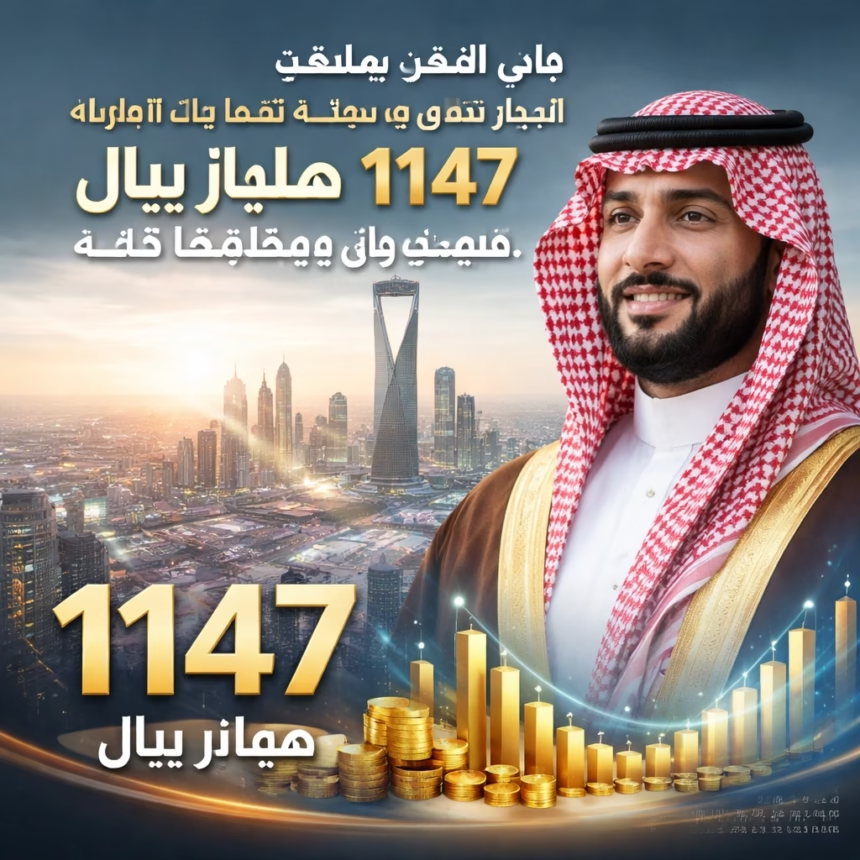
Riyadh, Saudi Arabia – The Crown Prince Mohammed bin Salman has unveiled a record-breaking national budget for 2024, exceeding the combined economies of several nations and signaling a significant shift in the region's economic landscape. The budget, announced on December 24, 2023, allocates 1.147 trillion Saudi Riyals, marking a substantial increase from previous years and focusing on diversification and ambitious development projects.
Historical Context: Decades of Oil Dependence
For decades, Saudi Arabia’s economy has been heavily reliant on oil revenues. The kingdom, a founding member of the Organization of Petroleum Exporting Countries (OPEC), has been a major global oil producer since the 1930s. However, in recent years, the government has initiated "Vision 2030," a strategic framework aimed at reducing dependence on oil, fostering private sector growth, and developing non-oil sectors like tourism, technology, and manufacturing. This plan has been crucial in shaping the current budgetary priorities.
The Vision 2030 plan, launched in 2016, outlines a comprehensive set of reforms. It includes initiatives to attract foreign investment, develop human capital, and improve the business environment. The budget reflects the accelerated implementation of these reforms, particularly those focused on infrastructure development and economic diversification.
Budget Highlights: Investment in Future Growth
The 2024 budget allocates significant funds across various sectors. A considerable portion, estimated at 400 billion Riyals, is earmarked for social programs, including housing initiatives, healthcare improvements, and education reforms. Infrastructure projects, crucial for economic diversification, receive 350 billion Riyals. These projects include expansion of the NEOM megacity, advancements in Riyadh’s public transportation system, and improvements to port facilities along the Red Sea.
More Read

Furthermore, the budget dedicates 200 billion Riyals to supporting small and medium-sized enterprises (SMEs), aiming to boost entrepreneurship and job creation. Another 100 billion Riyals is allocated to tourism development, a key pillar of Vision 2030. This includes investments in new tourism infrastructure, promotion campaigns targeting international visitors, and support for the burgeoning hospitality sector.
Regional Impact: A Reshaping of the Economic Order
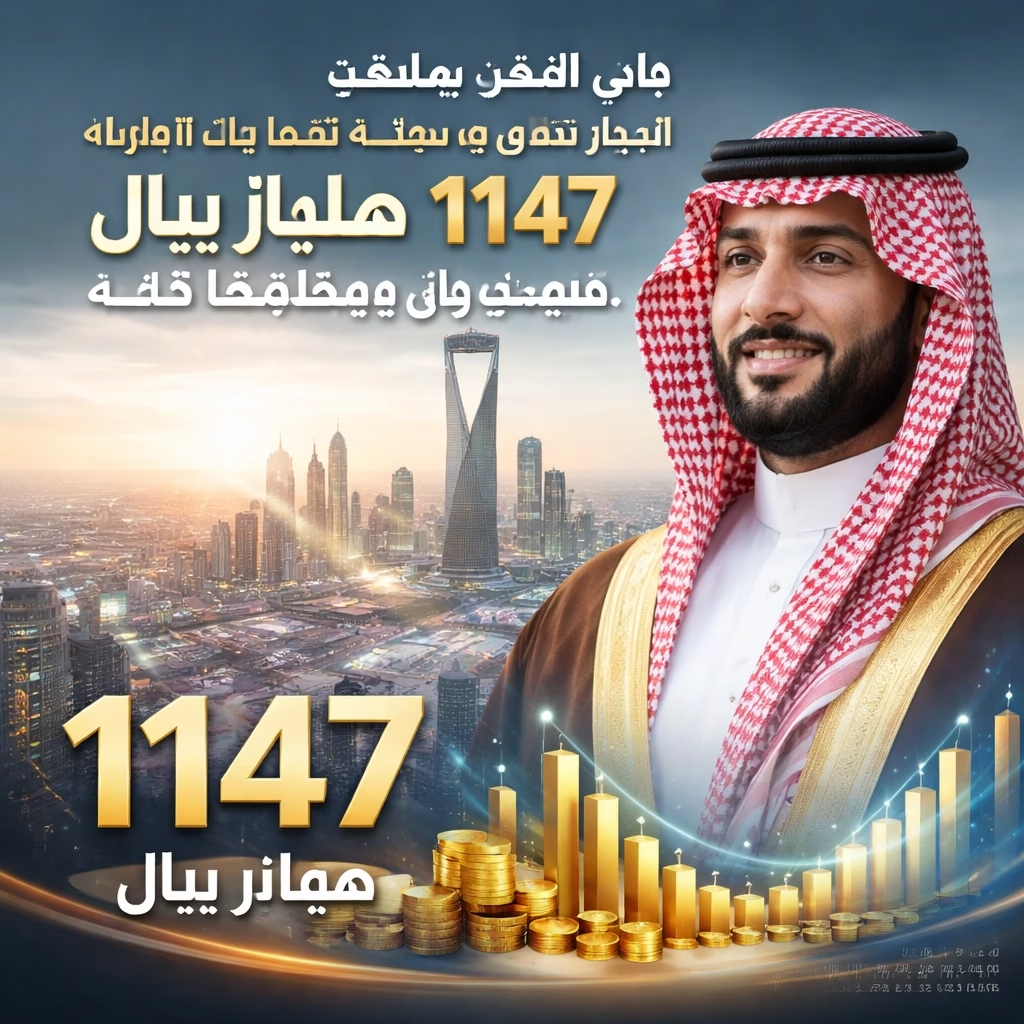
The sheer size of the budget – surpassing the GDPs of countries like Denmark, Austria, and Switzerland – has sent ripples throughout the region. Analysts predict that this level of investment will significantly impact regional competition for talent and investment. The focus on diversifying the economy away from oil could inspire other Gulf states and North African nations to pursue similar strategies.
More Read

The budget's emphasis on attracting foreign direct investment (FDI) is also expected to increase competition for FDI within the region. Countries like the UAE and Qatar are likely to respond with their own initiatives to attract global capital and talent. The Saudi government intends to leverage this investment to create high-skilled jobs and foster technological innovation.
Looking Ahead: Key Milestones and Challenges
The implementation of the 2024 budget is expected to accelerate the pace of economic transformation in Saudi Arabia. Key milestones include the completion of initial phases of NEOM, the launch of new tourism projects, and the expansion of the private sector through SME support programs. The government is also focusing on improving the regulatory environment to attract foreign investment and reduce bureaucratic hurdles.
Challenges Remain
Despite the ambitious plans, challenges remain. Successfully diversifying the economy away from oil requires sustained investment and innovation. The government must also address structural issues like skills gaps in the workforce and ensure equitable distribution of the benefits of economic growth. Maintaining fiscal discipline while pursuing such large-scale investments will be a critical challenge over the coming years.
The focus on attracting and retaining talent will be crucial. Saudi Arabia is actively working to improve its education system and create a more attractive environment for skilled workers. The success of Vision 2030 and the 2024 budget hinges on the government’s ability to address these challenges and effectively implement its ambitious plans.