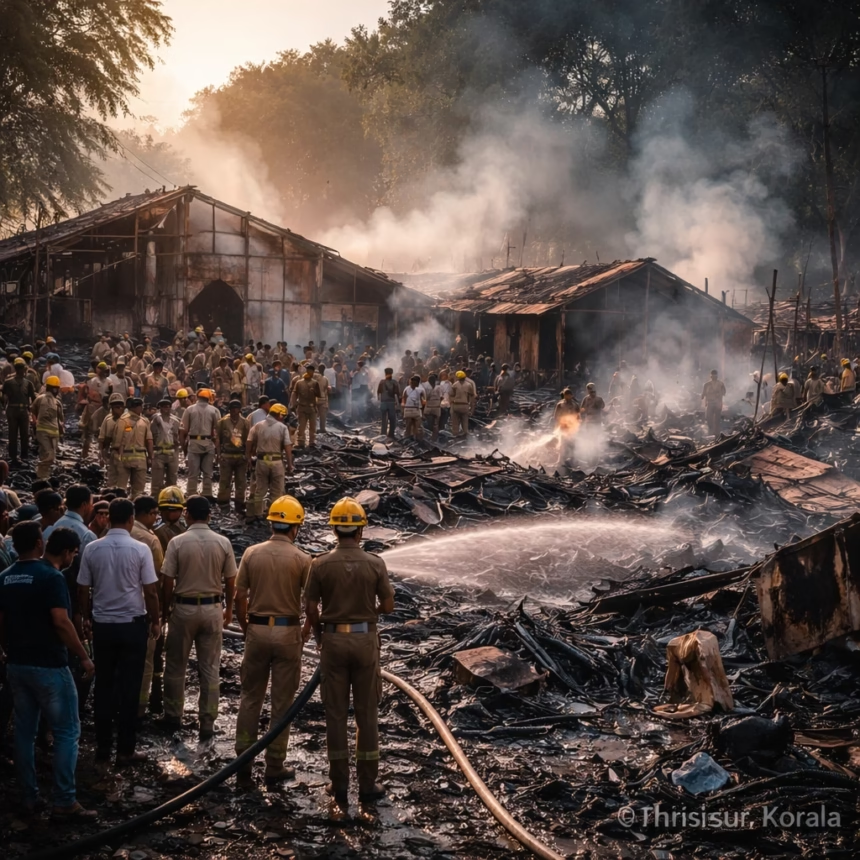
A devastating explosion at a fireworks manufacturing unit in Thrissur, Kerala, has claimed the lives of thirteen individuals and left several others injured. The incident, occurring late last week, has cast a somber mood over the region just days before the commencement of the renowned Thrissur Pooram festival, a spectacle known for its grand pyrotechnic displays.
Background
The blast ripped through the licensed fireworks unit located in Valiyapalam, near Kuttanellur, in Thrissur district. The unit was reportedly engaged in the production and storage of fireworks intended for the upcoming Pooram celebrations. Eyewitnesses described a massive explosion, followed by a series of smaller blasts, which sent shockwaves through the surrounding area and caused significant structural damage to the facility and nearby buildings.
The incident occurred during a period of heightened activity as preparations for the Thrissur Pooram were in full swing. The Pooram, one of Kerala's most significant cultural and religious festivals, draws thousands of spectators annually, largely due to its elaborate elephant parades and spectacular fireworks shows. These displays are meticulously planned and require vast quantities of pyrotechnics, making units like the one affected crucial for the festival's traditional grandeur.
Kerala has a history of both vibrant fireworks traditions and tragic accidents associated with their production and handling. Safety regulations are in place, but enforcement and adherence can vary, often leading to calls for stricter oversight after such incidents. The scale of this particular tragedy has reignited concerns about the safety protocols governing fireworks manufacturing, especially when operations are intensified in the run-up to major festivals.
Key Developments
Immediately following the explosion, local residents, emergency services, and disaster response teams launched a frantic rescue operation. Fire and Rescue personnel, along with the National Disaster Response Force (NDRF) and local police, worked tirelessly through the night to extricate victims from the rubble and control secondary fires. The severity of the blast complicated rescue efforts, with debris scattered over a wide radius.

District authorities confirmed the initial death toll of thirteen, with several individuals sustaining severe burns and other injuries. The injured were rushed to various hospitals in Thrissur, including the Government Medical College, where they are currently receiving treatment. Medical teams are working round the clock, with some patients reportedly in critical condition, battling extensive burn injuries.
Kerala Chief Minister Pinarayi Vijayan expressed profound sorrow over the incident and announced a high-level investigation into the causes of the blast. A special investigation team, comprising experts from the police, fire safety department, and the Department of Explosives, has been constituted to probe the circumstances leading to the tragedy. Preliminary inquiries are focusing on potential violations of safety norms, improper storage of explosive materials, or accidental ignition.
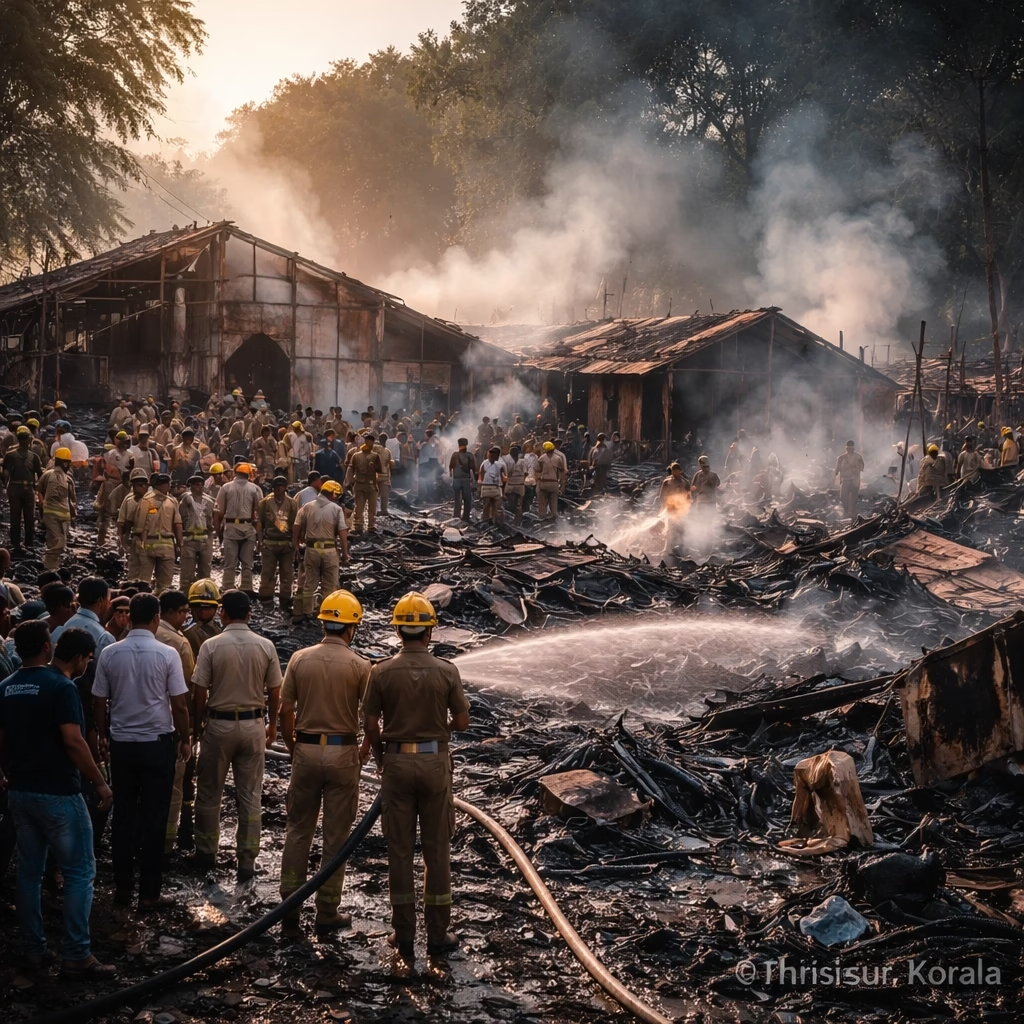

The District Collector of Thrissur has ordered a comprehensive audit of all fireworks manufacturing and storage units in the district to prevent future occurrences. Statements from officials indicate that while the unit was licensed, the investigation will ascertain if all operational guidelines and safety protocols were strictly adhered to. The identification of all victims is also underway, posing challenges due to the nature of their injuries.
Impact
The human toll of the Thrissur fireworks blast is immense. Families of the deceased are grappling with unimaginable grief, while those with injured loved ones face an anxious wait for their recovery. Many of the victims were daily wage laborers employed at the unit, leaving their families without primary income earners. The state government has announced compensation packages for the victims' families and for the injured, aiming to provide some measure of relief.
The local community in Valiyapalam has been deeply affected, experiencing both the immediate horror of the blast and its aftermath. Several residential structures in the vicinity suffered damage, displacing families and creating an atmosphere of fear and uncertainty. Community volunteers and local organizations have rallied to provide support, including food, shelter, and counseling, to those impacted.
The tragedy has inevitably cast a shadow over the Thrissur Pooram festival. While there has been no official announcement regarding the cancellation or curtailment of the fireworks displays, public sentiment and calls for enhanced safety measures are likely to influence the celebrations. The incident serves as a stark reminder of the inherent risks associated with such large-scale pyrotechnics, prompting renewed debate on balancing cultural traditions with paramount safety concerns.
Furthermore, the blast has put the spotlight on the broader fireworks industry in Kerala. Manufacturers and operators are now under increased scrutiny, facing potential revisions to licensing requirements and stricter enforcement of existing regulations. The incident underscores the need for continuous vigilance and robust safety mechanisms throughout the production, storage, and display chain of explosive materials.
What Next
The immediate priority remains the care of the injured and providing support to the bereaved families. Medical professionals continue to work tirelessly to save lives and facilitate recovery. Concurrently, the multi-agency investigation team is expected to expedite its inquiry, aiming to release a preliminary report on the blast's cause and any identified lapses in the coming weeks. This report will be crucial for understanding accountability and implementing corrective actions.
More Read

Following the investigation, legal proceedings are anticipated against any individuals or entities found responsible for negligence or violations of safety regulations. This could include owners of the unit, supervisors, or even licensing authorities if oversight failures are identified. The findings will likely inform policy changes and potentially lead to more stringent laws governing the manufacture and handling of fireworks across the state.
In the long term, the Thrissur tragedy is expected to trigger a comprehensive review of fireworks safety protocols, not just for the Pooram but for all festivals and events across Kerala. This could involve revised guidelines for storage capacities, mandatory safety training for workers, regular and unannounced inspections, and the adoption of advanced safety technologies. The state government may also explore alternatives or modifications to traditional fireworks displays to mitigate risks while preserving cultural heritage.
Community rehabilitation efforts will also be ongoing, focusing on rebuilding damaged properties and providing psychological support to those traumatized by the event. As Thrissur prepares to observe the Pooram festival under the cloud of this tragedy, there is a collective hope that lessons learned from this devastating incident will pave the way for a safer future, ensuring that such a catastrophe is never repeated.