Iran Unrest: Security Forces Under Heavy Fire, Royal Family Weighs In
Recent weeks have seen widespread protests across Iran following the death of Mahsa Amini in September 2022. The demonstrations, initially triggered by her death while in police custody, have broadened to encompass discontent with the government's social and economic policies. The situation remains volatile, with authorities responding with force and international concern growing.
Background
The protests began on September 17, 2022, in response to the death of Mahsa Amini, a 22-year-old Iranian woman who died after being arrested by the morality police for allegedly violating the country’s strict dress code. This incident ignited long-simmering frustrations with the Iranian government, particularly regarding women's rights and freedoms. Over the following weeks, protests spread to cities across Iran, including Tehran, Isfahan, Shiraz, and Mashhad. The demonstrations have been characterized by a mix of peaceful marches and clashes with security forces.
Iran has a history of suppressing dissent. The Islamic Republic, established in 1979 following the 1979 Iranian Revolution, maintains a theocratic government based on Shia Islamic principles. The current leadership, headed by President Ebrahim Raisi, has faced increasing economic challenges, including high inflation and unemployment, contributing to public discontent. The government has responded to the protests with arrests, detentions, and a heavy security presence.
More Read

Key Developments
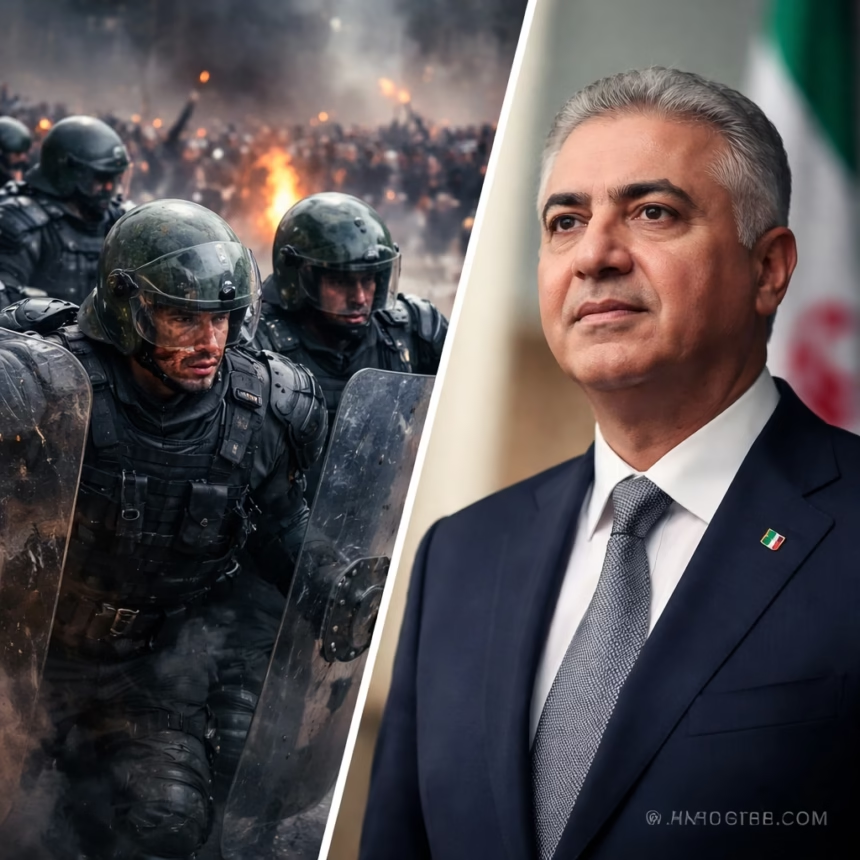
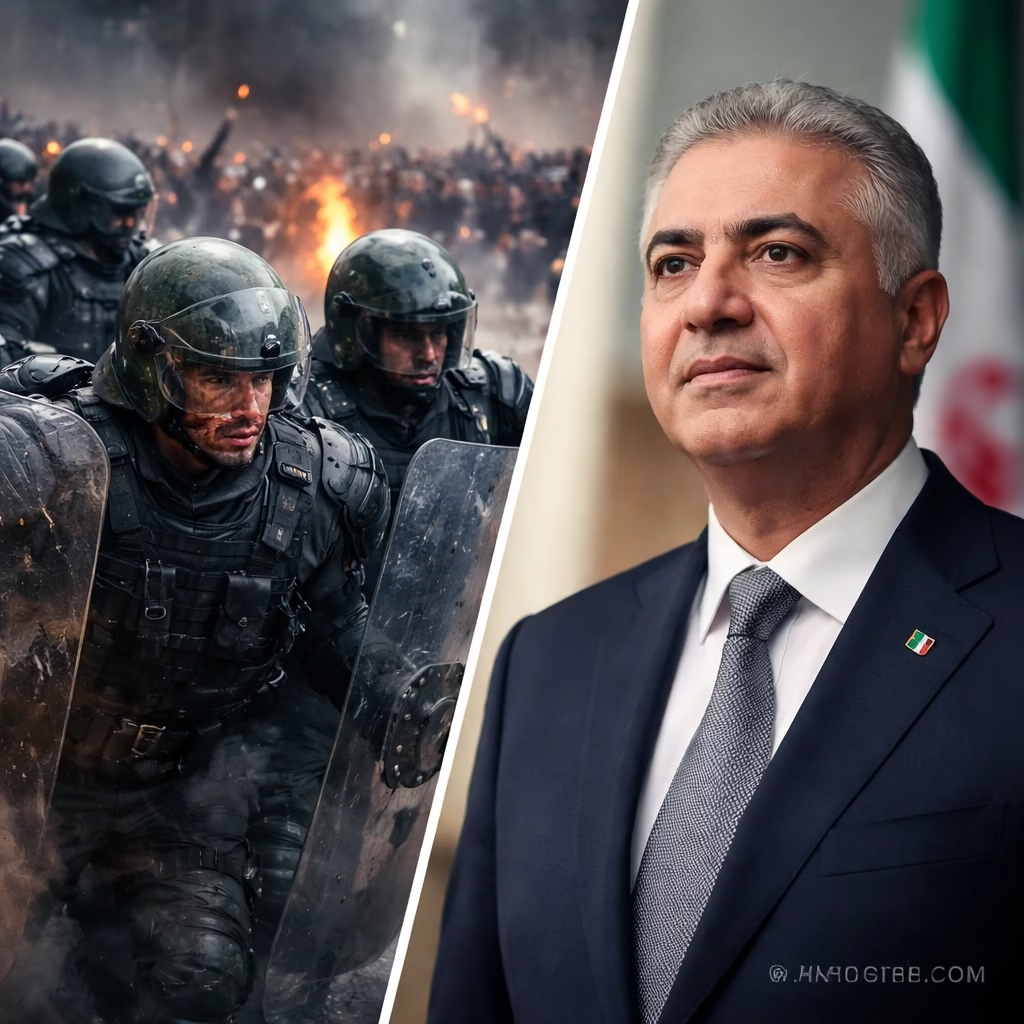
Iranian authorities have reported that over 3,700 police officers have been injured during the protests. The Iranian state-run news agency, ISNA, reported this figure on November 26, 2023. While the exact number is difficult to independently verify, the report underscores the intensity of the clashes and the severity of the government’s response.
Recently, Shahanshah Reza Pahlavi’s son, Prince Kian, has publicly voiced support for the protestors and called for a peaceful transition of power. In a statement released on November 25, 2023, Prince Kian stated, "The Iranian people deserve a government that respects their rights and freedoms. I pledge to return to Iran and work towards a future of democracy and justice." This is a significant statement from a member of the former ruling family, signaling a potential shift in the political landscape.
Government actions have included internet restrictions, particularly limiting access to social media platforms like Instagram and Telegram, used widely by protestors to organize and share information. Numerous arrests have been reported, targeting not only protest leaders but also ordinary citizens. The government has also accused foreign entities of instigating the unrest.
More Read

Impact
The protests have had a significant impact on Iranian society. Economic activity has been disrupted, with businesses closing and public transportation affected in many areas. The protests have also exposed deep divisions within Iranian society, with many Iranians expressing solidarity with the protestors and calling for political change.
The human cost of the unrest is substantial. In addition to the reported injuries to police officers, there have been reports of civilian casualties. Human rights organizations have documented numerous cases of arbitrary arrests, torture, and extrajudicial killings. The ongoing restrictions on information access exacerbate the difficulties in accurately assessing the full extent of the impact.
What Next
The future trajectory of the protests remains uncertain. The Iranian government has vowed to crush the unrest, while protestors have shown resilience in the face of government repression. The upcoming Iranian presidential election in 2024 is expected to be a crucial turning point. The election results could influence the government’s approach to the protests and the overall political climate in the country.
Potential Scenarios
Several scenarios are possible. The government could continue its hardline approach, attempting to suppress the protests through force. Alternatively, the government might consider offering concessions, such as easing internet restrictions or releasing political prisoners. A more radical scenario involves the possibility of widespread civil disobedience and continued protests, potentially leading to significant political upheaval.
International pressure on Iran is also likely to intensify. Several countries have condemned the government’s use of force and called for respect for human rights. The United Nations has expressed concern over the situation and urged a peaceful resolution. The role of regional powers, such as Saudi Arabia and Turkey, in mediating the crisis remains to be seen.