Whiskey & Garlic: The Dangerous Myth Sweeping Africa
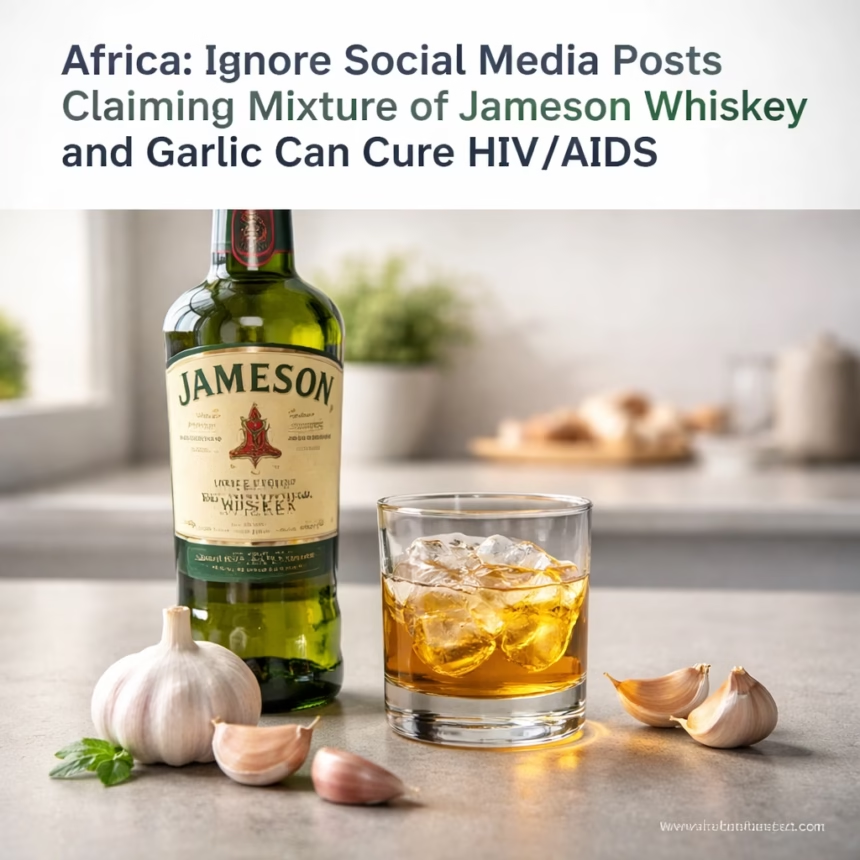
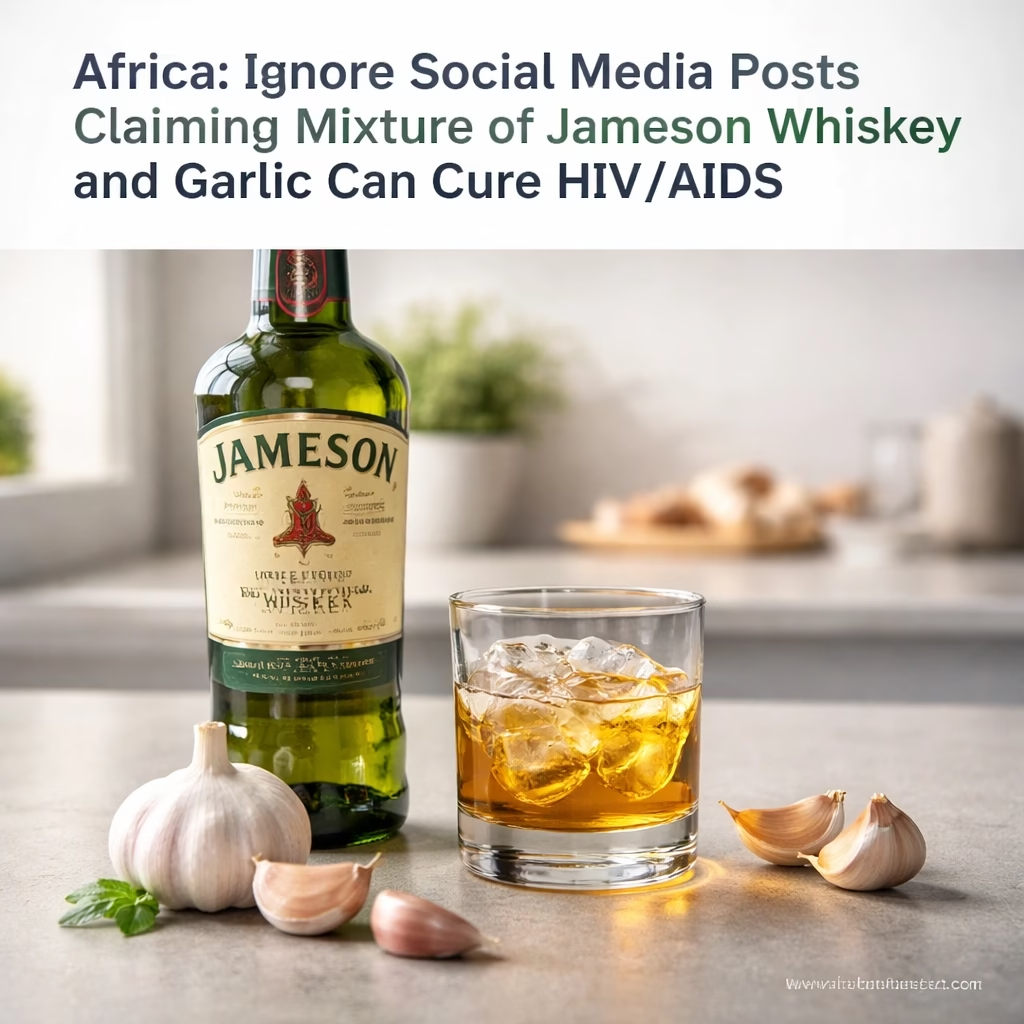
A dangerous misinformation campaign is spreading across Africa, falsely claiming a mixture of Jameson whiskey and garlic can cure HIV/AIDS. The unsubstantiated claims, amplified through social media, pose a serious threat to public health and undermine legitimate treatment efforts. Reports of people relying on this concoction instead of seeking medical care have been increasing, particularly in countries with limited access to healthcare.
Background: A History of False Hope
The belief in miraculous cures for HIV/AIDS has a long and troubling history in Africa. From the early days of the epidemic in the 1980s, various unproven remedies, often rooted in traditional medicine, have gained traction. These claims frequently offer false hope and divert individuals away from proven antiretroviral therapy (ART). The spread of misinformation has been exacerbated by limited access to accurate health information and a lack of trust in formal healthcare systems in some regions.
The HIV/AIDS epidemic in Africa began in the 1980s and has had a devastating impact. According to UNAIDS, in 2022, there were 1.6 million new HIV infections in Africa. While significant progress has been made in treatment and prevention, the epidemic remains a major public health challenge across the continent. The World Health Organization (WHO) has consistently emphasized the importance of evidence-based interventions.
Key Developments: Social Media Amplification
Recently, a renewed wave of false claims has emerged on platforms like Facebook, WhatsApp, and TikTok. Videos and posts promoting the Jameson whiskey and garlic mixture have gone viral, often featuring anecdotal accounts and lacking any scientific basis. These posts frequently target vulnerable populations, promising a quick and easy cure.
The speed and reach of social media have made it difficult to contain the spread of misinformation. Fact-checking organizations across Africa are working to debunk the claims, but the virality of false information often outpaces corrective efforts. Many users share these claims without verifying their accuracy, contributing to the problem.
Impact: Health Risks and Delayed Treatment
The consequences of believing these false claims are severe. Relying on the whiskey and garlic mixture instead of seeking proper medical care can lead to delayed diagnosis, disease progression, and increased risk of transmission. The mixture itself poses potential health risks, as excessive alcohol consumption can damage the liver and interact negatively with other medications.
Healthcare professionals are deeply concerned about the impact of this misinformation. Doctors and nurses in countries like Nigeria, South Africa, and Kenya have reported cases of patients arriving at clinics in advanced stages of HIV/AIDS, having refused or delayed ART in favor of the unproven remedy. This delay jeopardizes their health and increases the cost of treatment in the long run.
More Read

Specific Concerns
The garlic itself, while generally considered safe in moderate amounts, does not possess antiviral properties that can combat HIV. Furthermore, the alcohol content of Jameson whiskey can suppress the immune system and interfere with the effectiveness of antiretroviral drugs if a person is already on treatment.
What Next: Combating Misinformation and Promoting Evidence-Based Care
Efforts to counter the spread of misinformation are underway. Health ministries and NGOs are launching public awareness campaigns to debunk the claims and promote accurate information about HIV/AIDS prevention and treatment. These campaigns utilize radio broadcasts, community outreach programs, and partnerships with social media influencers to reach wider audiences.
Digital literacy initiatives are also being implemented to empower individuals to critically evaluate online information. These programs teach people how to identify fake news and verify claims before sharing them. Furthermore, social media platforms are being urged to strengthen their content moderation policies to remove false and misleading information related to health.
Expected Milestones
Over the next year, key milestones include increased public awareness campaigns across targeted regions of Africa, the adoption of stricter content moderation policies by major social media platforms, and expanded digital literacy programs in communities with high vulnerability to misinformation. Continued collaboration between governments, healthcare providers, and civil society organizations is crucial to effectively combat this dangerous trend and protect public health.
The WHO and UNAIDS are providing technical assistance to African countries to strengthen their response to misinformation and ensure access to evidence-based HIV/AIDS care. The long-term goal is to create a more resilient health system capable of effectively addressing public health challenges in the digital age.