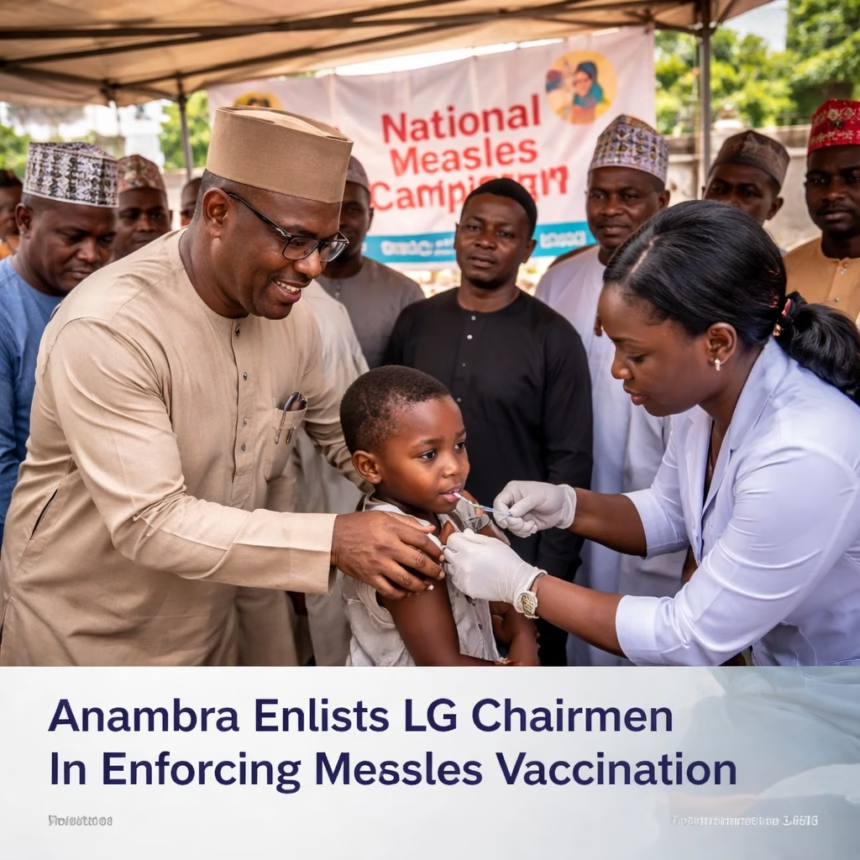
Fighting the Spread: Anambra's Bold Plan to Protect Children
Anambra State, Nigeria, has launched a renewed effort to combat the rising threat of measles, mobilizing Local Government Chairmen (LGCs) to spearhead vaccination drives across the state. The initiative, announced on October 26, 2023, aims to achieve full immunization coverage and prevent outbreaks, particularly among children under five.
Understanding the Challenge: A History of Measles in Anambra
Measles is a highly contagious viral disease that can have serious complications, especially for young children. In recent years, Anambra State has experienced several measles outbreaks, prompting concerns among health officials. Data from the Federal Ministry of Health indicates a notable increase in reported cases in 2022, with hotspots reported in communities bordering Enugu and Kogi states. Previous vaccination campaigns, while helpful, have faced challenges related to low coverage in some areas and logistical hurdles.
Empowering Local Leaders: A New Approach to Vaccination
The core of Anambra State's new strategy involves actively engaging Local Government Chairmen. Governor Chukwuma Solom Onoh announced the initiative during a meeting with LGC chairmen in Awka on October 26th. Each LGC has been tasked with developing and executing tailored vaccination plans for their respective areas, with specific targets for coverage rates. This includes mobilizing community health workers, ensuring vaccine storage and distribution, and raising awareness about the importance of measles vaccination.
The state government is providing logistical support, including vaccines and transportation, to the LGCs. Regular monitoring and evaluation mechanisms have been established to track progress and address any challenges that arise. Training programs have also been organized for LGC officials and health workers to enhance their capacity in vaccine administration and outbreak response.


Community Mobilization Strategies
LGCs are encouraged to utilize various community mobilization strategies, like town hall meetings, religious outreach programs, and partnerships with traditional leaders, to encourage parents to vaccinate their children. Emphasis is placed on addressing vaccine hesitancy through accurate information and culturally sensitive communication.
Who Benefits? Protecting Anambra’s Children
The primary beneficiaries of this initiative are children under five years old residing in Anambra State. Measles can lead to severe complications such as pneumonia, encephalitis (brain swelling), and even death. By achieving high vaccination coverage, the state aims to significantly reduce the incidence of measles and protect the health and well-being of its youngest citizens. The program’s success will directly impact the health outcomes of communities across Anambra, particularly those with limited access to healthcare facilities.
More Read

Looking Ahead: Milestones and Expectations
The state government has set a target of achieving 95% measles vaccination coverage across all LGCs by the end of 2024. Regular progress reports will be submitted to the Ministry of Health, and follow-up vaccination campaigns will be conducted in areas with low coverage. Ongoing monitoring will also include surveillance for any signs of measles outbreaks.
The next phase of the initiative involves extensive community sensitization campaigns, focusing on debunking misinformation surrounding vaccines and emphasizing the benefits of routine immunization. Furthermore, efforts are underway to strengthen the state's cold chain management system to ensure the vaccines remain effective throughout the distribution process. The state plans to collaborate with international health organizations like UNICEF and WHO for technical assistance and resource mobilization.
Monitoring and Evaluation
A dedicated team within the Ministry of Health will be responsible for monitoring the progress of the vaccination program. Data will be collected from each LGC and analyzed regularly to identify areas requiring additional support. Key indicators include vaccination coverage rates, number of measles cases reported, and community awareness levels.
This collaborative effort between the state government and local leaders represents a significant step towards protecting Anambra State's children from the devastating effects of measles. The success of this initiative hinges on sustained commitment, effective coordination, and active participation from all stakeholders.