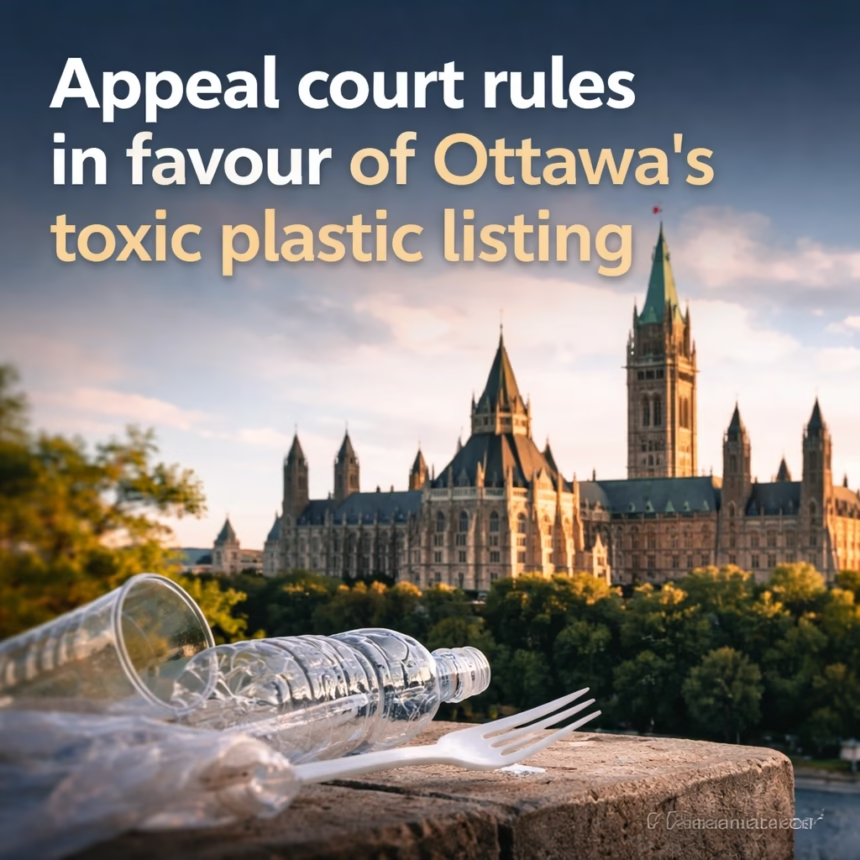
Plastic Ban Victory: Ottawa's Bold Move Gains Legal Ground
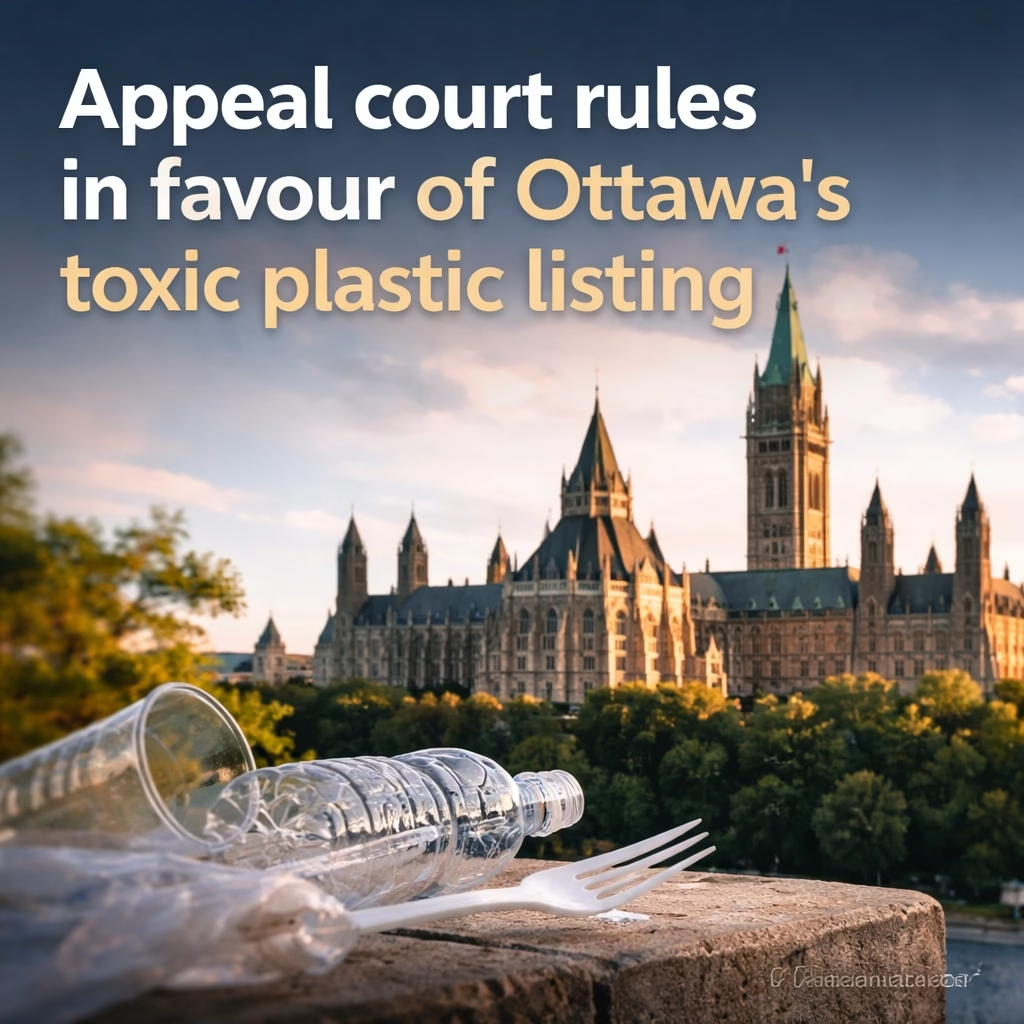
Ottawa, Ontario – February 29, 2024 – The Ontario Court of Appeal has ruled in favor of the city of Ottawa's ban on certain single-use plastic items, a decision that could influence similar initiatives across Canada. The ruling affirms the city's authority to implement the restrictions, despite challenges from industry groups.
Background
In 2021, the City of Ottawa enacted bylaws restricting the use of several single-use plastic items, including plastic straws, takeout containers, plastic bags, and polystyrene food containers. The bylaw, which came into effect on January 1, 2023, aimed to reduce plastic waste and promote more sustainable alternatives. This initiative aligned with the city's broader environmental goals and a growing national conversation about plastic pollution.
The bylaw was met with opposition from various sectors, including the Restaurant Association of Ottawa and the Retail Council of Canada, who argued it placed an undue burden on businesses and lacked adequate consideration for accessibility needs. These groups filed legal challenges against the bylaw, arguing it exceeded the city's authority and posed unreasonable economic hardship.

Key Developments
The initial challenge to the bylaw was brought before the Ontario Superior Court of Justice. In September 2023, a judge ruled in favor of the city, dismissing the challenges. The court found that the city had properly considered the environmental impact of plastic waste and that the bylaw was reasonable and justified.
Following the Superior Court decision, the Restaurant Association of Ottawa and the Retail Council of Canada appealed to the Ontario Court of Appeal. The appeal centered on whether the city’s bylaw fell within its mandate and whether the restrictions were unduly burdensome. The Court of Appeal, after a review of the case, upheld the Superior Court's decision, effectively solidifying Ottawa's ban.
Impact
The ruling will have a direct impact on businesses operating within Ottawa. Restaurants, retailers, and other establishments will continue to be required to comply with the bylaw, offering customers alternatives to single-use plastics. Businesses will need to transition to paper, compostable, or reusable options.
More Read

Residents of Ottawa will also experience changes, with a reduced availability of single-use plastic items. The bylaw includes provisions for exemptions, such as for medical reasons and for certain accessibility needs, but these exemptions are subject to specific requirements.
The decision is expected to encourage other municipalities in Ontario and across Canada to consider similar measures to address plastic pollution.
Exemptions and Considerations
The bylaw includes provisions for exemptions. For example, plastic straws are exempt for individuals with disabilities who require them. Restaurants must also provide alternatives upon request. Businesses are encouraged to explore and adopt sustainable alternatives where feasible.
What Next
The City of Ottawa has expressed its satisfaction with the Court of Appeal’s decision and remains committed to its environmental goals. City officials have stated that they will continue to work with businesses and residents to ensure a smooth transition to a plastic-reduced future.
The ruling is likely to spur further debate and action on plastic reduction initiatives across Canada. Other cities are closely watching Ottawa’s experience, and the decision could influence the development of similar bylaws in the future. Environmental groups are hailing the decision as a significant victory for environmental protection.
Future Initiatives
The City of Ottawa plans to continue exploring ways to reduce waste and promote sustainability. Future initiatives may include expanded recycling programs, further restrictions on plastic use, and support for businesses transitioning to sustainable practices. The city anticipates ongoing monitoring of the bylaw’s effectiveness and will make adjustments as needed.