Bangladesh's Power Shift: Navigating the Aftermath of a Historic Election
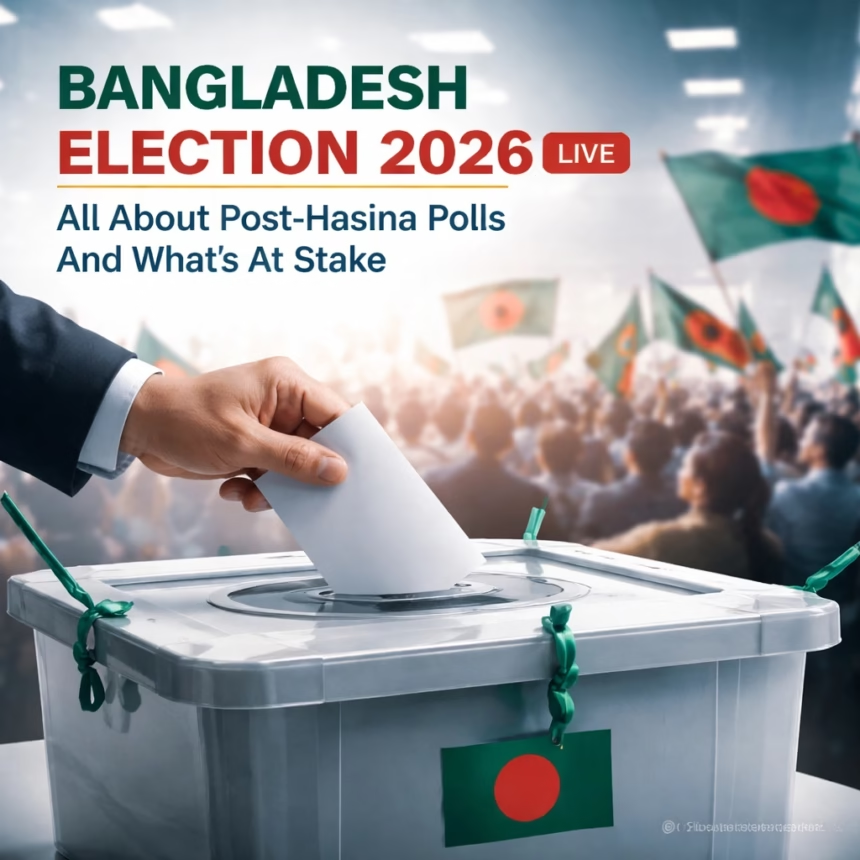
Bangladesh recently concluded its 12th national parliamentary election on January 7, 2024, marking a pivotal moment in the country’s political history. The results signaled the end of Sheikh Hasina's 15-year rule and ushered in a new chapter under the Awami League's leadership, though with a significantly altered political landscape.
Background: A History of Political Transitions
Bangladesh, a South Asian nation with a population of over 170 million, has experienced a complex political trajectory since its independence in 1971. The Awami League, led by Sheikh Hasina, has dominated national politics for much of this period, though the Bangladesh Nationalist Party (BNP), previously led by Khaleda Zia and now under Tarique Rahman, has consistently been a significant opposition force. The country has seen periods of political instability, including military rule, and ongoing debates regarding democratic governance and human rights.
Sheikh Hasina first assumed power in 1996, and has since served multiple terms, often facing accusations of authoritarian tendencies and suppression of dissent. The 2013 election saw her return to power, and the 2019 election solidified her position until the recent results.
Key Developments: The Election and its Aftermath
The January 7, 2024 election witnessed a relatively peaceful process, though allegations of irregularities were raised by the opposition BNP and other parties. The Awami League secured a victory, winning a majority of seats in the 10% reserved seats, a crucial factor in determining overall parliamentary power. The BNP boycotted the election, citing a biased electoral process and demanding a caretaker government oversee the polls—a long-standing demand.

The election results have led to arrests and detentions of BNP leaders and activists. Tarique Rahman, the BNP chief, remains in London, facing corruption charges. The government has pledged to maintain law and order, but concerns remain about potential political unrest.
Post-Election Arrests and Political Climate
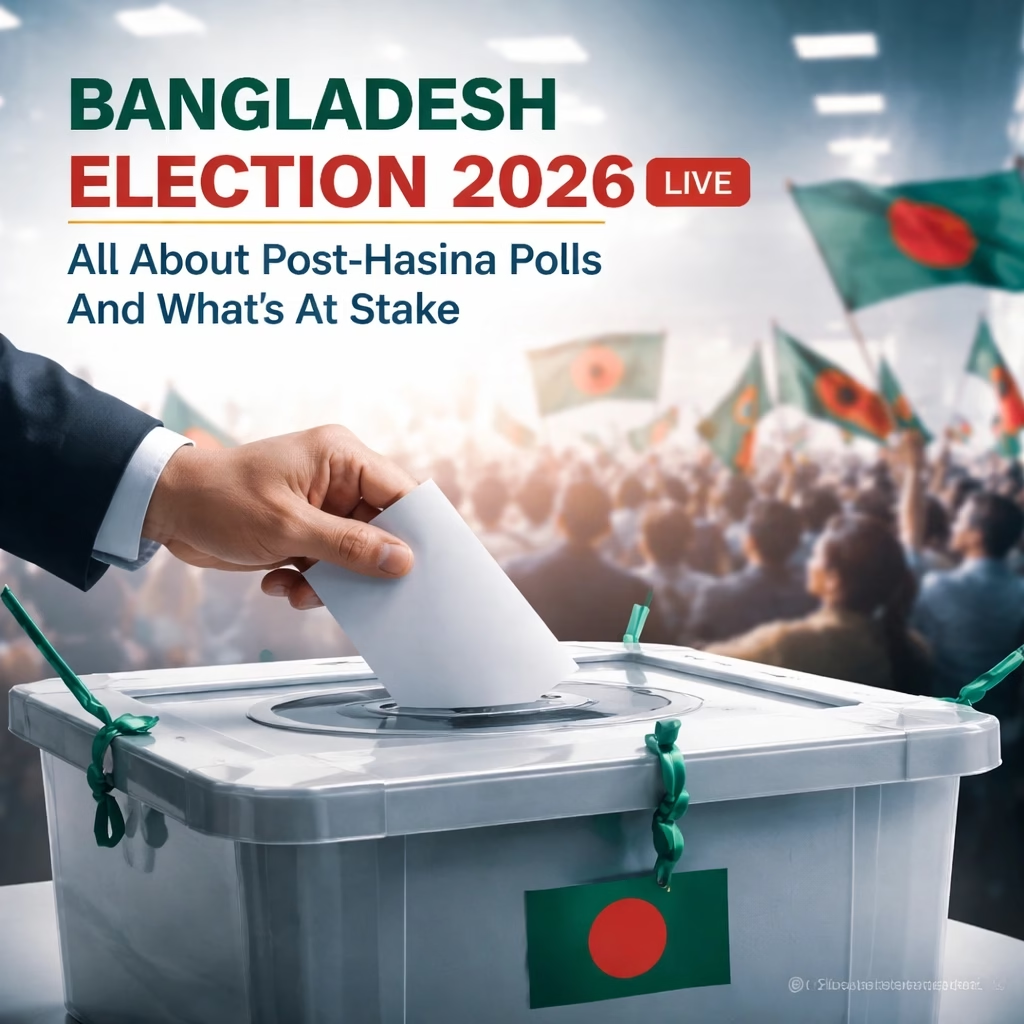
Since the election, over 2,000 individuals, primarily BNP supporters, have been arrested. The arrests have intensified political tensions, with BNP leaders condemning what they describe as a crackdown on opposition voices. International observers have expressed concerns about the fairness and transparency of the electoral process, particularly regarding reports of voter intimidation and manipulation.
More Read

Impact: Who is Affected?
The change in government has far-reaching consequences across Bangladesh. Economically, the new administration faces challenges including inflation, unemployment, and the ongoing impact of climate change. The new government's economic policies will be closely watched, particularly its approach to foreign investment and development projects.
Politically, the shift in power will redefine the balance of power within the country. The Awami League now holds a stronger mandate, but faces the challenge of governing a deeply divided nation. The BNP's absence from the parliament significantly weakens the opposition, and their continued protests may fuel instability.
Socially, the impact is multifaceted. Minority communities, particularly Hindus and Buddhists, have expressed concerns about rising religious intolerance, a topic that has been debated since the election. The government has assured protection, but vigilance remains crucial.
What Next: Expected Milestones
The immediate focus will be on forming a new government and establishing a stable political environment. The President, Mohammad Shahabuddin Chuppu, is expected to formally invite the leader of the majority party to form the government, which is likely to be Sheikh Hasina again. The new parliament is expected to convene in early 2024, setting the stage for legislative action.
Key Priorities for the New Government
The new government is expected to prioritize economic recovery, addressing inflation, and managing the country’s resources. Climate change adaptation and mitigation will also be crucial, given Bangladesh’s vulnerability to natural disasters. Furthermore, the government will likely focus on restoring normalcy and addressing the concerns of those affected by the post-election arrests and political unrest.
International relations will also remain a key focus, with Bangladesh navigating its relationships with key partners like India, China, and the United States. The government's approach to regional cooperation and its role in international forums will be closely monitored.