Political Earthquake: Bangladesh Election Sparks Controversy
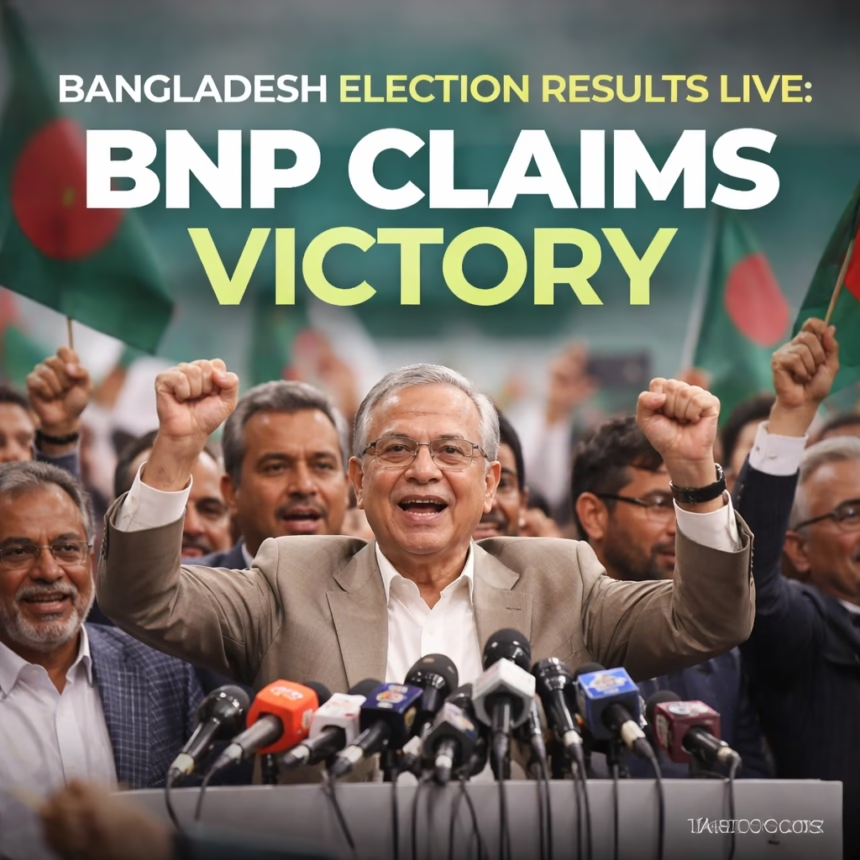
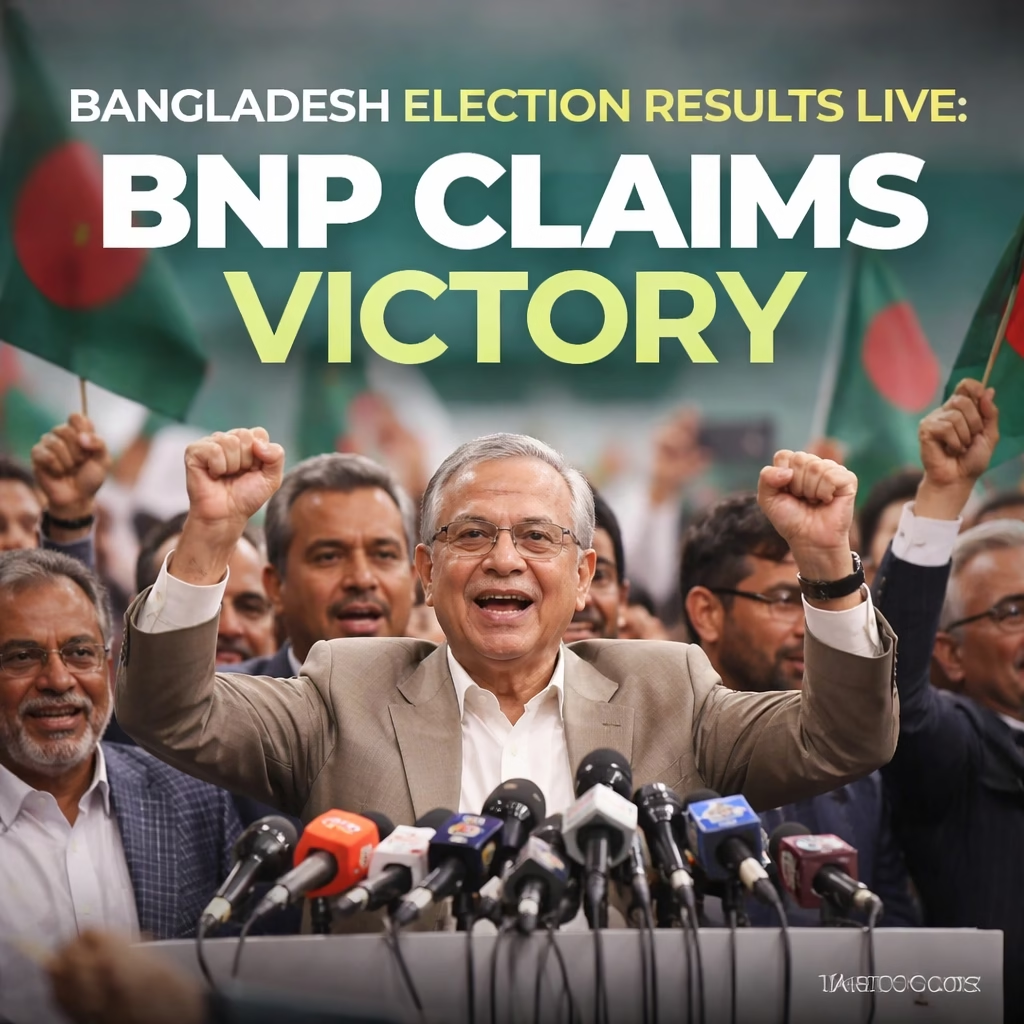
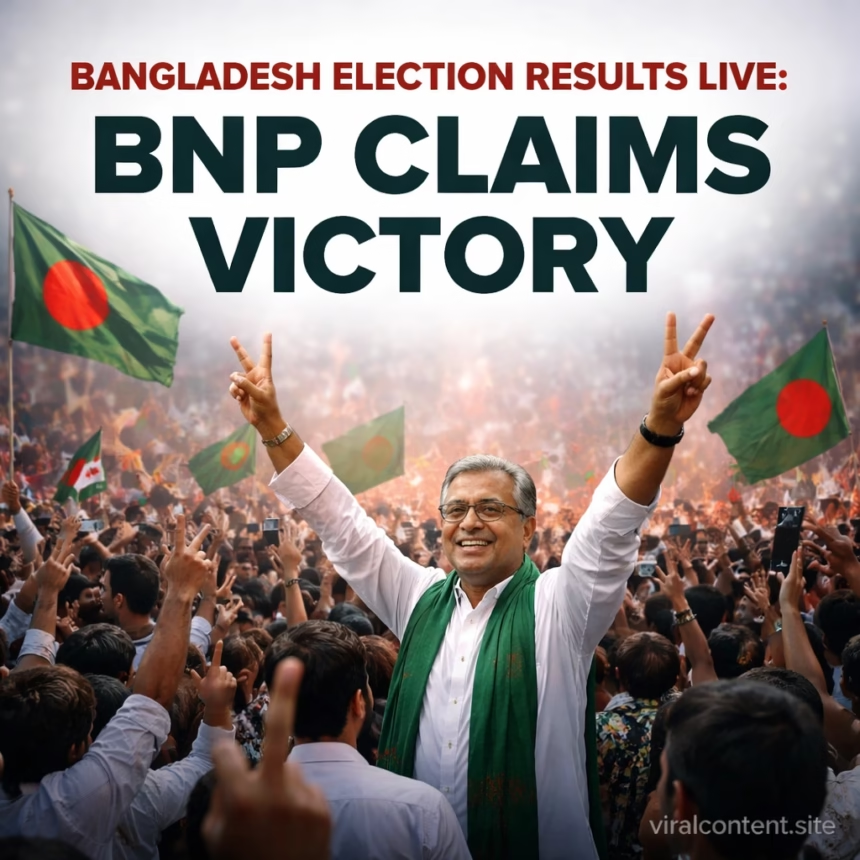
Dhaka, Bangladesh – The results of Bangladesh's parliamentary elections, held on January 7, 2024, are generating significant controversy. The Bangladesh Nationalist Party (BNP) has announced a victory, a claim disputed by the ruling Awami League (AL) and election observers, leading to political uncertainty across the nation.
Background
The election was held on January 7th, 2024, following months of political turmoil. The Awami League, led by Prime Minister Sheikh Hasina, has been in power since 2009. The BNP, a major opposition party, boycotted the election along with several other smaller parties, citing a biased electoral process and a lack of fair conditions. This boycott significantly impacted voter turnout and the overall legitimacy of the results in the eyes of many.
The political landscape has been tense since the 2018 elections, with the BNP alleging widespread irregularities and demanding a neutral election commission. Past elections have been marred by accusations of rigging, intimidation, and restrictions on opposition activities, contributing to a deeply polarized political climate in Bangladesh. The current election followed a long-standing power struggle between the two dominant parties.
Key Developments
The BNP's declaration of victory came late on January 8th, 2024, through a press conference held in Dhaka. BNP leaders presented what they claim is evidence of a landslide win across the country. However, the Election Commission of Bangladesh has yet to officially release the final results and has refuted the BNP's claims, stating that the vote counting process is still ongoing and that the results are being verified.
More Read

International observers, including representatives from the European Union and the United Nations, have expressed concerns about the fairness of the election, citing reports of irregularities and restrictions on the opposition's campaign. Some observers have called for a thorough investigation into allegations of voter intimidation and manipulation. Several incidents of violence were reported on election day, further complicating the situation.
Impact
The disputed election results have significant implications for Bangladesh's future. A BNP victory would represent a major shift in the country's political power, potentially leading to significant policy changes. Conversely, if the Awami League maintains control, the current political status quo will likely persist.
More Read
The uncertainty surrounding the election outcome is already impacting the economy, with stock markets experiencing volatility. Furthermore, the political tensions could lead to further social unrest and instability. The situation is particularly concerning for civil society organizations and human rights activists who fear a crackdown on dissent and a rollback of democratic gains.
What Next
The Election Commission is expected to release the official results within the next few days. The results will likely be challenged legally by both the BNP and the Awami League. The possibility of protests and political demonstrations remains high, depending on the outcome of the official results.
Legal Challenges
Both parties are expected to file petitions with the court if they dispute the results. These petitions will likely focus on allegations of irregularities, voter fraud, and violations of electoral laws. The judiciary will play a crucial role in resolving the dispute and ensuring a fair and transparent outcome.
Political Negotiations
The coming weeks will likely involve intense political negotiations between the Awami League and the BNP. The outcome of these negotiations could determine the future of Bangladesh's political landscape and the possibility of forming a coalition government. International mediators may also be involved to facilitate dialogue and promote stability.
International Response
International actors, including neighboring countries and international organizations, are closely monitoring the situation in Bangladesh. They are urging all parties to exercise restraint and respect the rule of law. The international community's response will likely depend on the outcome of the legal challenges and the political negotiations.