Power Price Spike: Bangladesh's Energy Gamble?
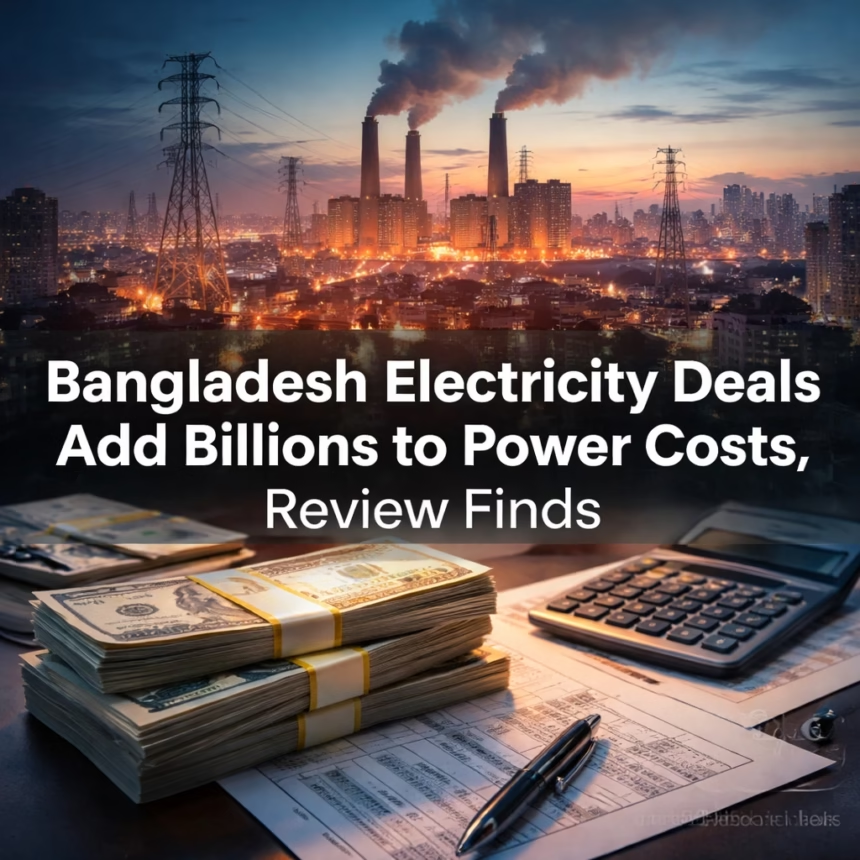
New analysis reveals that recent electricity deals in Bangladesh are projected to add billions of dollars to the country's power generation costs over the next decade. The findings, released on November 8, 2023, by a watchdog group, highlight concerns about the long-term financial implications of these agreements.
Background: A Nation’s Energy Needs
Bangladesh has been rapidly expanding its electricity generation capacity to meet the demands of its growing population and economy. The country heavily relies on natural gas, but faces increasing challenges with supply security and rising global gas prices. Over the past several years, the government has pursued a strategy of signing Power Purchase Agreements (PPAs) with both domestic and international energy producers to ensure a consistent power supply.
This strategy intensified in 2021, with a series of new PPAs being finalized, primarily focusing on renewable energy projects like solar and wind farms, alongside continued reliance on gas-fired power plants. These agreements aimed to diversify Bangladesh's energy mix and reduce its dependence on a single fuel source.
Key Developments: The Costly Agreements
The recent analysis centers on a cluster of PPAs signed between 2022 and 2023. These agreements, involving companies like Bangladesh Power Development Corporation (BPDB) and several private power producers, commit to purchasing electricity at fixed prices over 20-25 year terms. The analysis points to significantly higher prices than those previously negotiated for similar projects.
More Read

Specifically, contracts for solar power projects in the south-western districts of Bangladesh are projected to cost an additional $3 billion over their lifespan. Similar cost increases are anticipated from new agreements involving gas-fired power plants, driven by rising global fuel costs and price escalation clauses within the contracts.
Furthermore, the analysis raises concerns about the potential for cost overruns due to delays in project implementation and unforeseen technical challenges. Several projects have already experienced delays, pushing back anticipated completion dates and adding to overall expenses.
Renewable Energy Costs
While renewable energy is generally considered more environmentally friendly, the analysis notes that the fixed-price nature of some solar PPA’s locks in costs that may be higher than current market rates. This is particularly true considering the decreasing cost of solar technology globally.
More Read

Impact: Who Pays the Price?
The rising power costs will inevitably impact consumers across Bangladesh. Electricity tariffs are expected to increase in the coming months, affecting households, businesses, and industries. The cost increases could disproportionately affect low-income households, potentially exacerbating existing economic inequalities.
Businesses, particularly those in energy-intensive sectors like manufacturing and textiles, will face higher operating costs, potentially impacting their competitiveness in the global market. The increased cost of electricity could also discourage investment in certain sectors.
The Bangladesh government will also bear a significant financial burden, as the BPDB is the primary purchaser of electricity under these PPAs. This could strain the national budget and potentially necessitate increased borrowing.
What Next: Navigating the Future of Power
The government is currently reviewing the implications of the new PPAs and exploring options to mitigate the rising costs. Possible measures include renegotiating certain contracts, implementing cost-saving measures within the BPDB, and exploring alternative financing mechanisms.
The Bangladesh Energy Regulatory Commission (BERC) is playing a crucial role in overseeing the power sector and ensuring fair pricing. The BERC is expected to conduct a comprehensive review of the recent PPA agreements and recommend regulatory adjustments.

Furthermore, the government is actively promoting energy efficiency initiatives to reduce overall electricity demand. These initiatives include incentivizing the adoption of energy-efficient appliances and promoting the use of renewable energy technologies at the household and industrial levels. A key focus is on expanding solar home systems in rural areas.
The coming months will be critical in determining how Bangladesh manages the financial implications of these new power deals and ensures a sustainable and affordable energy future for all its citizens.