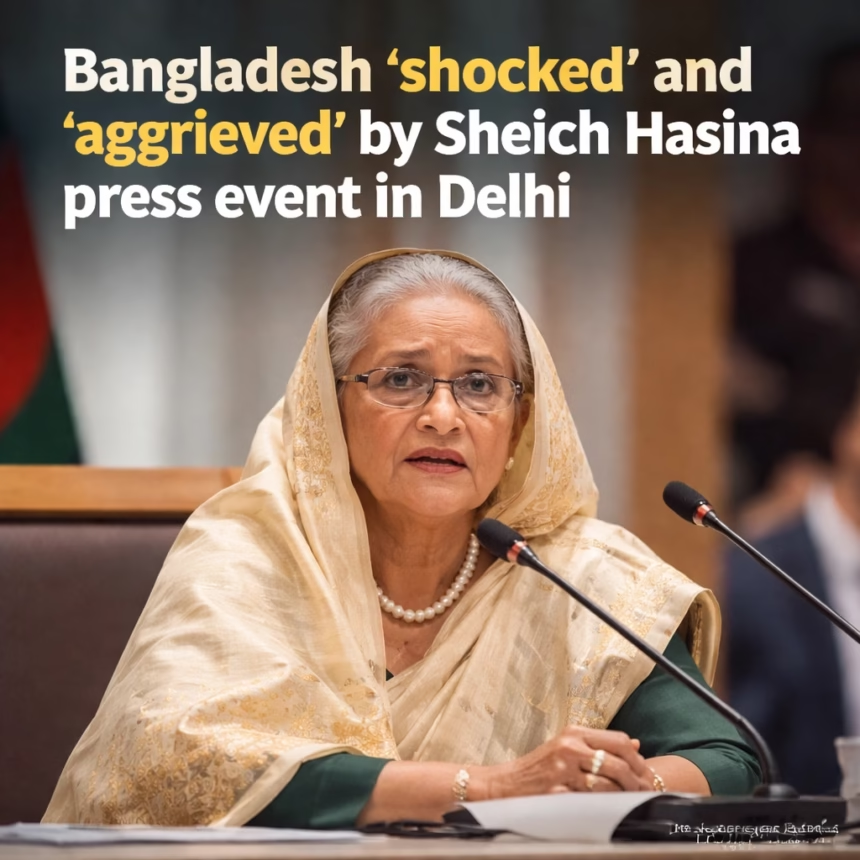
Hasina's Delhi Presser: Why Bangladesh is 'Shocked' and Calling it a 'Dangerous Precedent'
A recent high-profile press event featuring Bangladesh Prime Minister Sheikh Hasina in New Delhi has reportedly sent shockwaves through Dhaka, with prominent political figures, civil society members, and analysts expressing profound dismay. The event, held during a significant bilateral visit to India, has been widely criticized for its format and content, prompting accusations of setting a "dangerous precedent" for Bangladesh's diplomatic conduct and national interest.
Background: A Deep-Rooted Relationship Under Scrutiny
Bangladesh and India share a historically rich and complex relationship, forged during Bangladesh's 1971 Liberation War, where India played a crucial supportive role. Over the decades, bilateral ties have evolved into a strategic partnership encompassing trade, connectivity, security cooperation, and cultural exchanges. Prime Minister Sheikh Hasina, now in her fifth term, has consistently championed strong relations with India, often emphasizing the mutual benefits of such cooperation.
However, underlying tensions persist, including the unresolved Teesta River water-sharing dispute, border incidents, and trade imbalances. These issues often fuel public debate and concerns over perceived Indian dominance, with critics frequently voicing apprehension about India's influence on Bangladesh's policy. Prime Minister Hasina's recent visit to India followed her controversial re-election in January 2024, which saw a boycott by the main opposition Bangladesh Nationalist Party (BNP) and raised questions internationally about democratic fairness.
The visit was framed as an opportunity to further strengthen bilateral ties, sign new agreements, and discuss areas of mutual interest. Against this backdrop, any perceived deviation from diplomatic protocol or a failure to robustly assert Bangladesh's interests during high-level engagements can quickly become a lightning rod for criticism, especially from an invigorated opposition.

Key Developments: The Press Event That Sparked Outrage
The controversy stems from a specific press interaction involving Prime Minister Sheikh Hasina during her visit to Delhi. Reports from Dhaka indicate the event was perceived as unusual and problematic, primarily due to the alleged exclusion or marginalization of Bangladeshi journalists. The Prime Minister reportedly addressed questions mainly from Indian media outlets.
Critics highlighted that this format gave the impression of her speaking primarily to an Indian audience about Indian concerns, rather than representing Bangladesh's national interests or engaging its own media. This perceived imbalance ignited a furious debate, questioning the rationale for such engagement on foreign soil.
Furthermore, the content of her remarks drew sharp criticism. Many in Dhaka felt vital Bangladeshi concerns—such as the Teesta water dispute, border issues, or Rohingya repatriation—were not adequately raised or asserted. Instead, her responses were perceived as overly accommodating to Indian perspectives, fueling accusations of subservience.
More Read

The term "dangerous precedent" quickly gained traction, used by commentators to describe a departure from established diplomatic norms. This suggests the event could set a harmful example, potentially weakening Bangladesh's autonomous standing and its ability to negotiate on equal terms with more powerful neighbors. The lack of a robust, independent platform for the Bangladeshi perspective during a crucial visit was seen as a significant diplomatic misstep.
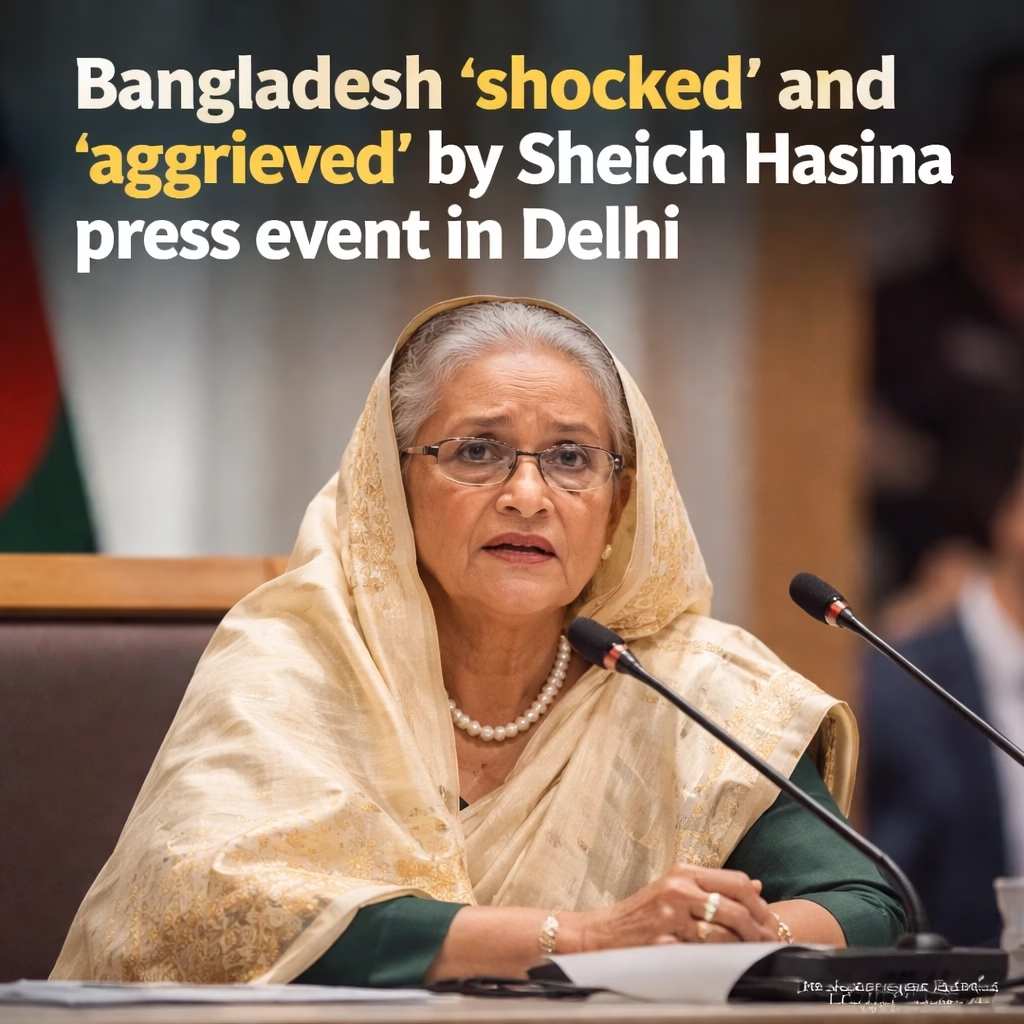
Voices of Dissent Emerge
Immediately following the event, social media platforms in Bangladesh became awash with critical commentary. Opposition parties, including the BNP and Jatiya Party, quickly seized upon the incident, issuing strong statements condemning the government’s handling and its perceived failure to uphold national dignity. Former diplomats, academics, and civil society activists also joined the chorus, expressing disappointment and concern over the implications for Bangladesh’s foreign policy.
Impact: Shaking Public Trust and Diplomatic Norms
The Delhi press event's repercussions are multifaceted, affecting Bangladesh's domestic politics, diplomatic standing, and public perception. Domestically, it provides ammunition for the opposition, who often accuse the Awami League government of being overly deferential to India. This narrative resonates with a population segment prioritizing strong national sovereignty.
The controversy threatens to erode public trust in the government's ability to safeguard national interests. Many Bangladeshis, proud of their independence, expect leaders to assert the country's position with unwavering resolve, especially with powerful neighbors. The perceived failure in Delhi has sparked widespread disappointment and grievance.
From a diplomatic perspective, the event raises questions about Bangladesh's autonomy and foreign policy effectiveness. If seen as setting a "dangerous precedent," it could signal a weakening of Bangladesh's negotiating position in future discussions. Other international partners might also observe this dynamic. Furthermore, the alleged exclusion of Bangladeshi media from a prominent role has ignited concerns about press freedom and transparency, underscoring a broader debate about media access and government control over information in high-stakes diplomatic contexts.

What Next: Navigating the Aftermath
As the controversy simmers, the Bangladesh government faces pressure to address widespread concerns and offer clarifications regarding the Delhi press event. While official statements haven't fully acknowledged the public