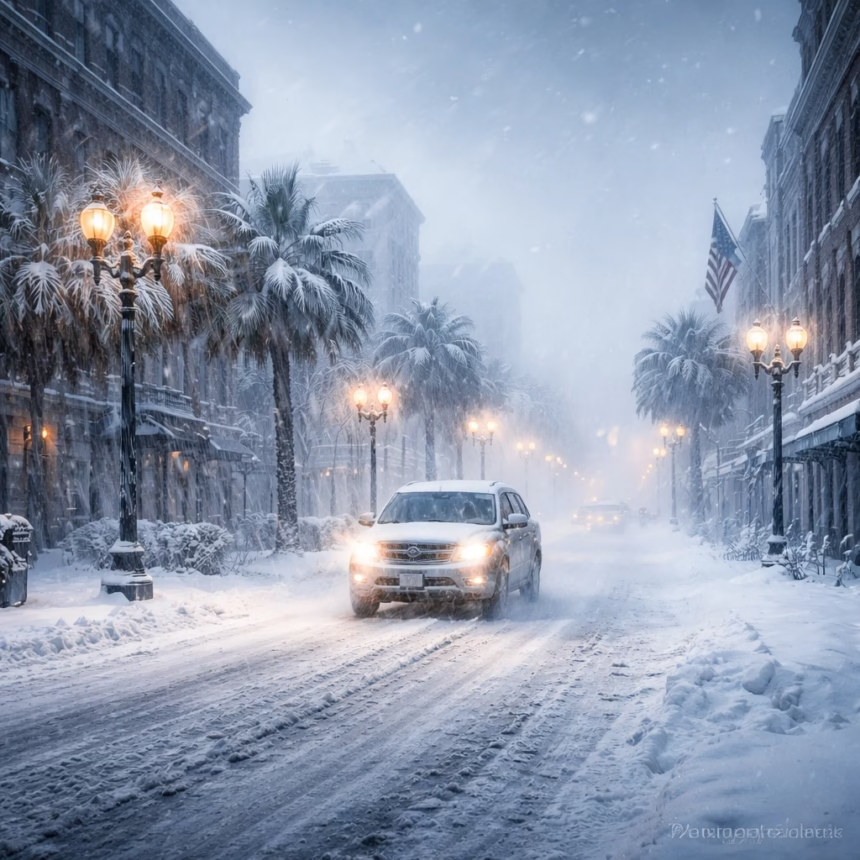
A powerful bomb cyclone has unleashed a relentless barrage of bitter cold temperatures, heavy snowfall, and dangerous ice across the southeastern United States. From Florida's panhandle to the Carolinas and Georgia, millions are grappling with unprecedented winter conditions that began impacting the region in early January 2024, bringing daily life to a standstill and prompting widespread emergency declarations. This historic weather event has shattered temperature records and created hazardous travel conditions, marking one of the most significant winter storms the region has experienced in decades.
Background: A Rapidly Intensifying Monster Storm
The genesis of this destructive weather system can be traced to the Gulf of Mexico, where a low-pressure system rapidly intensified as it moved northeastward along the Atlantic coast. Meteorologists observed a phenomenon known as "bombogenesis," a rapid drop in atmospheric pressure—specifically, at least 24 millibars in 24 hours. This particular storm exceeded that threshold, plummeting by over 30 millibars in less than a day, transforming it into a "bomb cyclone."
This explosive intensification created a steep pressure gradient, generating hurricane-force winds in some coastal areas and drawing a massive surge of frigid Arctic air deep into the Southeast. Typically accustomed to milder winters, the region found itself directly in the path of a powerful nor'easter, but with an unusually cold air mass already in place, setting the stage for widespread snow and ice accumulations far south of typical winter storm tracks. The system's rapid strengthening also made precise forecasting challenging, though warnings were issued several days in advance, allowing some preparation time.
Key Developments: Record Lows, Snowfall, and Ice
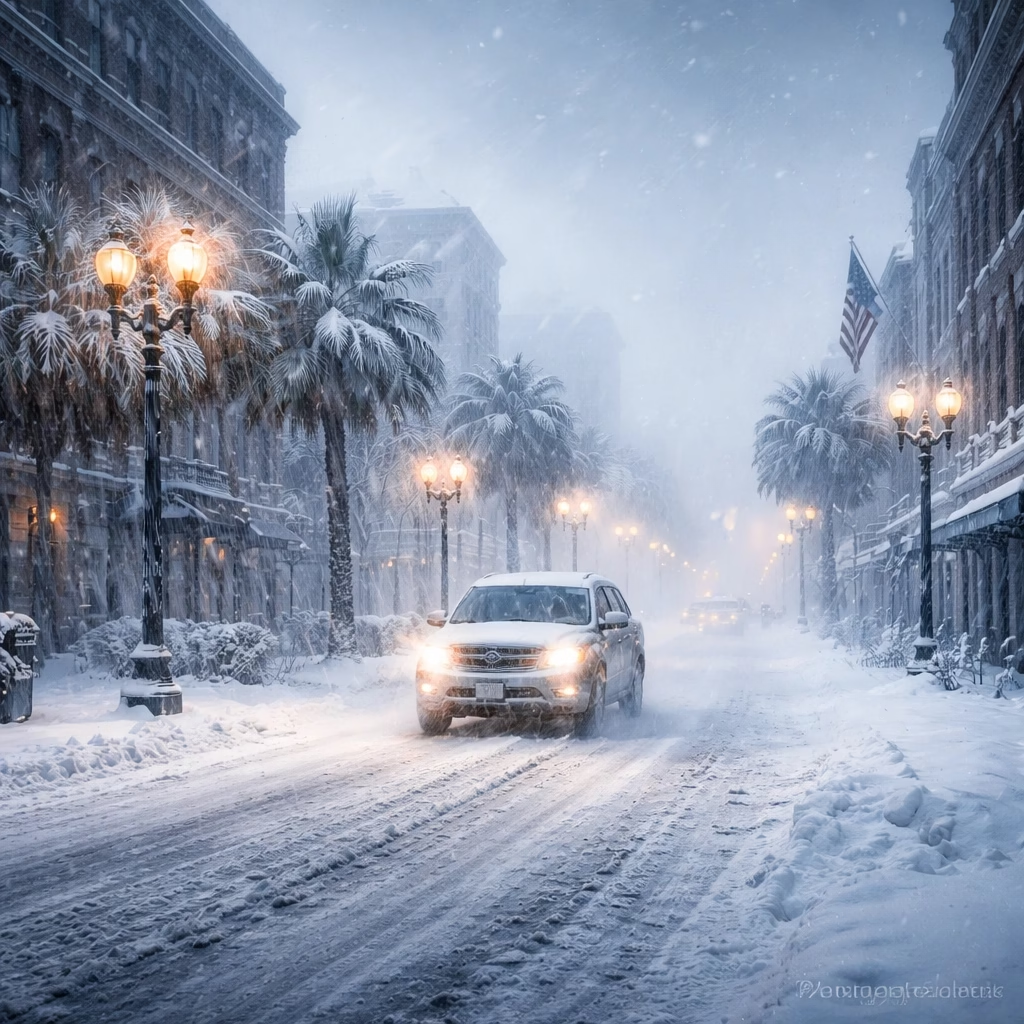
Over the past 72 hours, the bomb cyclone has delivered on its severe forecast, bringing a cascade of extreme weather conditions that have rewritten local record books. Temperatures plunged to levels not seen in generations, accompanied by significant snowfall and treacherous ice.

Historic Temperature Plunges
Cities across the Southeast registered record-breaking low temperatures. Atlanta, Georgia, saw temperatures plummet to -10 degrees Celsius (14 degrees Fahrenheit) on January 12th, shattering a record from 1985. Charleston, South Carolina, experienced a brutal -7 degrees Celsius (19 degrees Fahrenheit) with wind chills making it feel much colder, while Tallahassee, Florida, recorded freezing temperatures for an unprecedented 48 consecutive hours, dipping to -5 degrees Celsius (23 degrees Fahrenheit). Even parts of central Florida saw frost and freeze warnings, threatening sensitive crops.
Unexpected Snowfall Totals
Snowfall totals surprised many, particularly in areas rarely accustomed to significant accumulation. Coastal North Carolina and parts of South Carolina received between 15 to 30 centimeters (6 to 12 inches) of snow, with localized reports exceeding 40 centimeters (16 inches) in elevated areas. Savannah, Georgia, recorded its first measurable snowfall in over three decades, with several centimeters blanketing the historic city. Even regions as far south as Jacksonville, Florida, reported light snow flurries, a rare sight for residents. The combination of heavy, wet snow and strong winds led to widespread drifting and made travel impossible in many areas.
Treacherous Ice Accumulation
Beyond the snow, a dangerous layer of freezing rain and sleet coated vast swaths of Georgia, Alabama, and the western Carolinas. Ice accumulation reached up to 2.5 centimeters (1 inch) in some locations, encasing trees and power lines in a brittle, heavy sheath. This ice posed an immediate and severe threat, leading to widespread power outages and making roads impassable even where snow was lighter. The persistent sub-freezing temperatures meant the ice was slow to melt, creating prolonged hazardous conditions.
More Read

Impact: A Region Brought to a Standstill
The severe winter weather has had a profound and multifaceted impact across the Southeast, disrupting infrastructure, endangering public safety, and causing significant economic strain. Millions of residents found their daily routines halted, with many facing extended periods without essential services.
Widespread Power Outages
The combination of heavy, wet snow and significant ice accumulation proved devastating for the region’s power grid. Utility companies reported over 800,000 customers without electricity at the peak of the storm, primarily across Georgia, South Carolina, and North Carolina. Falling trees and ice-laden branches snapped power lines and toppled utility poles, leading to widespread and often prolonged outages. Restoration efforts were hampered by treacherous road conditions and the sheer scale of the damage, with some areas expected to remain without power for several days.
Crippled Transportation Networks
Travel across the Southeast came to a grinding halt. Major airports, including Hartsfield-Jackson Atlanta International Airport, a critical hub, experienced thousands of flight cancellations and delays, stranding tens of thousands of travelers. State highway patrols reported hundreds of accidents on icy and snow-covered roads, prompting authorities to close major interstates and secondary roads. Bridges and overpasses, particularly susceptible to freezing, became death traps for motorists. Public transportation systems in affected cities were suspended or operated on severely limited schedules, further isolating communities.
Public Safety and Emergency Response
Emergency services were stretched thin responding to a surge in calls for assistance, ranging from traffic accidents and stranded motorists to medical emergencies exacerbated by the cold. Numerous counties and cities declared states of emergency, activating warming shelters and deploying national guard units to assist with rescue and welfare checks. Concerns mounted for vulnerable populations, including the elderly and homeless, prompting calls for community vigilance and support. Hospitals reported an increase in cold-related injuries, including hypothermia and frostbite.
Economic and Agricultural Fallout
The economic impact is expected to be substantial. Businesses, schools, and government offices remained closed for multiple days, resulting in lost productivity and revenue. The agricultural sector, particularly vulnerable in the milder Southeast, faced significant threats. Citrus groves in Florida, typically protected from severe freezes, were under threat, and winter vegetable crops in Georgia and the Carolinas suffered extensive damage. The long-term costs of infrastructure repair, particularly for power grids and roads, are anticipated to run into the hundreds of millions of dollars.
What Next: Lingering Cold and Recovery Efforts
While the bomb cyclone has begun to track away from the immediate Southeast coast, the region is far from returning to normal. Residents face a protracted period of lingering cold and challenging recovery efforts.

Gradual Warming and Refreeze Risk
Meteorologists predict a slow and gradual warming trend over the coming days, with temperatures expected to rise above freezing by late weekend for most areas. However, overnight lows will remain below freezing, leading to a persistent threat of “black ice” as melting snow and ice refreeze on roads and sidewalks. This refreeze cycle will maintain hazardous driving conditions and increase the risk of slips and falls, prompting authorities to advise continued caution.
Extended Power Restoration and Infrastructure Repair
Utility companies are mobilizing thousands of crews, including mutual aid from less-affected regions, to work around the clock on power restoration. Given the extensive damage, many residents, especially in rural areas, could face several more days without electricity. Water pipe bursts, a common consequence of prolonged freezing temperatures, are also expected to become a widespread issue as pipes thaw, adding another layer of complexity to recovery efforts for homeowners and municipalities.
Community Resilience and Future Preparedness
The immediate focus remains on ensuring public safety, restoring essential services, and providing aid to those most affected. Local and state emergency management agencies are coordinating resource distribution and shelter operations. The historic nature of this storm is expected to prompt a review of winter weather preparedness strategies across the Southeast, highlighting the need for robust infrastructure and effective communication plans to mitigate the impact of future extreme weather events, which are becoming increasingly unpredictable. Residents are urged to continue monitoring local weather updates, check on neighbors, and exercise extreme caution as the region slowly thaws and recovers from this unprecedented winter onslaught.