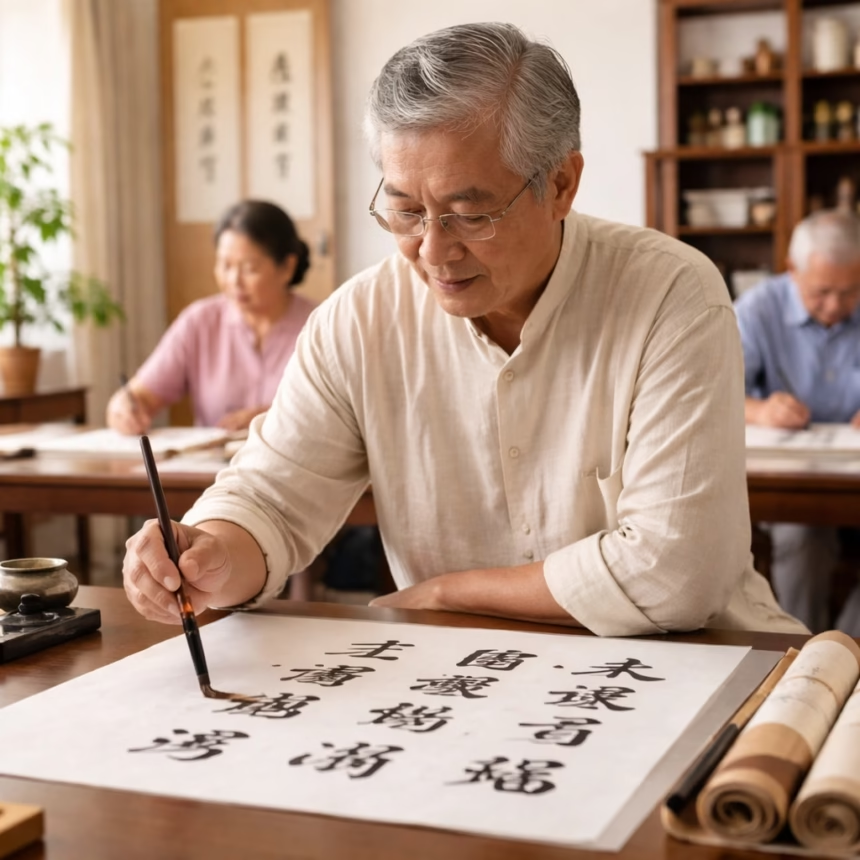
A quiet cultural renaissance is sweeping across Malaysia, as Chinese calligraphy experiences an unexpected surge in popularity, particularly among its senior citizens. This ancient art form, once feared to be fading, is now being embraced by a generation seeking connection, mindfulness, and a link to their heritage, transforming community centers and cultural hubs nationwide.
Background: A Legacy Under Threat
Chinese calligraphy has a long and storied history in Malaysia, brought over by early Chinese immigrants centuries ago. It traditionally served as a cornerstone of cultural education, often taught alongside classical Chinese literature in vernacular schools and within family compounds. Major cities like Penang, Kuala Lumpur, and Johor Bahru became early hubs for its practice, with associations forming to preserve and promote the art.
However, the latter half of the 20th century saw a gradual decline in interest. Modernization, the rise of digital communication, and a shift in educational priorities meant fewer young people were exposed to or pursued calligraphy. The laborious discipline, requiring patience and precision, seemed out of step with a rapidly accelerating world. By the early 2000s, concerns grew among cultural preservationists that the art form might become a niche pursuit, practiced only by a dedicated few. Many traditional masters found their student numbers dwindling, and the vibrant public exhibitions of earlier decades became less frequent.
Organisations such as the Federation of Chinese Calligraphers Association Malaysia (FCCAM), established in 1986, worked tirelessly to keep the flame alive through sporadic workshops and national competitions. Yet, the broader public engagement remained limited, often confined to the Chinese New Year period when festive couplets were commissioned or displayed. The art was respected but not widely practiced, particularly outside of specific cultural circles.
Key Developments: The Senior Surge
The landscape began to shift noticeably around 2018, accelerating post-pandemic as seniors sought enriching activities. Community centers, often run by local Chinese associations, reported a significant uptick in inquiries for calligraphy classes. For instance, the Kuala Lumpur & Selangor Chinese Assembly Hall (KLSCAH) saw its beginner calligraphy courses for seniors triple in enrollment between 2019 and 2023. Similarly, the Penang Chinese Town Hall noted a 40% increase in participants for its weekly brush painting and calligraphy sessions over the past two years.
More Read

Community Hubs as Catalysts
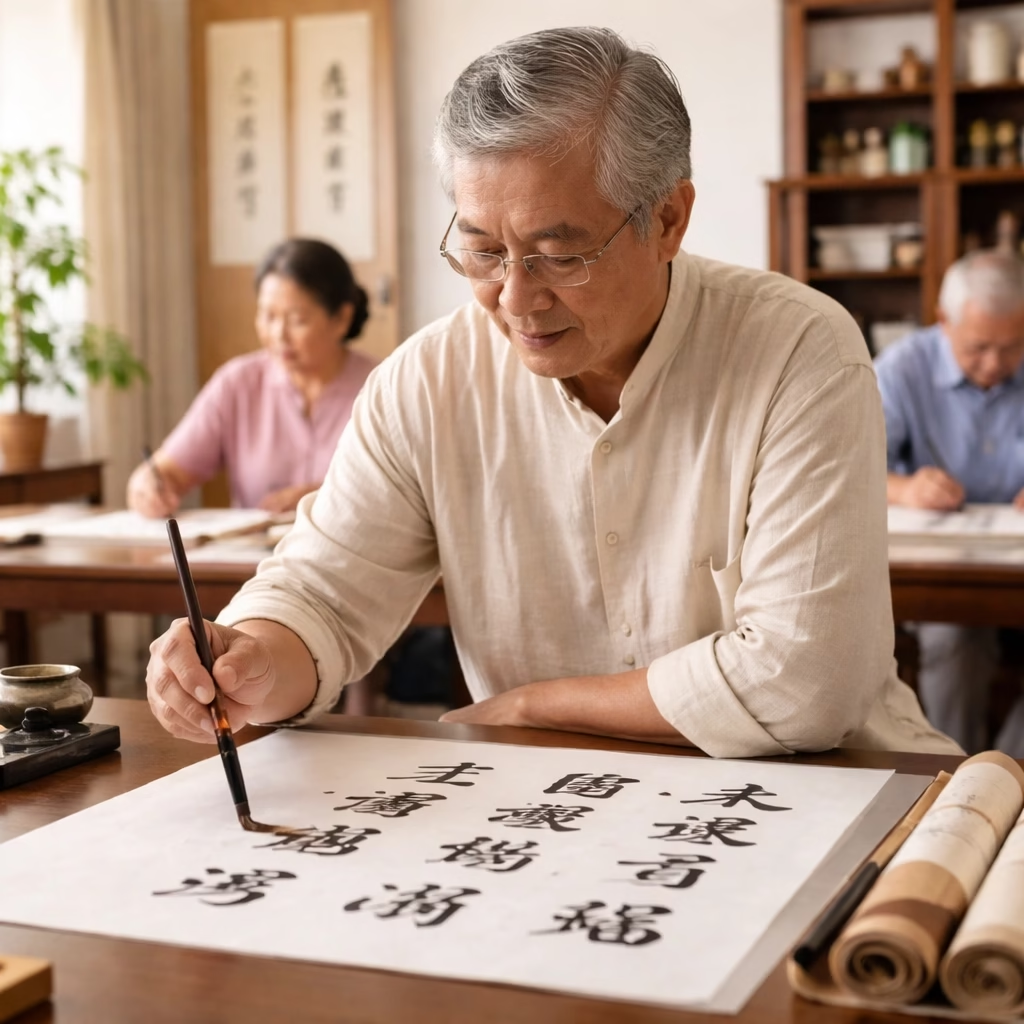
These cultural institutions have become vital catalysts. They offer affordable, accessible classes, often taught by seasoned calligraphers who themselves are seniors. The learning environment is typically relaxed and supportive, catering to varying levels of experience. Beyond formal lessons, many centers host informal practice groups where seniors gather to share techniques, critique each other's work, and simply enjoy the camaraderie.
The appeal for seniors is multi-faceted. Retirement often brings more free time, and calligraphy offers a meaningful way to fill it. It’s a low-impact activity that engages both mind and body, requiring concentration, fine motor skills, and an appreciation for aesthetics. Many seniors express a desire to reconnect with their cultural roots, feeling a sense of pride in mastering an art form that links them to their ancestors. Recent initiatives, such as the "Golden Brushstrokes" program launched by the Johor Bahru Chinese Chamber of Commerce in March 2022, specifically target retirees, offering subsidized classes and public exhibition opportunities.
Public demonstrations and small-scale exhibitions have also become more common. During the 2024 Chinese New Year celebrations, several shopping malls in Petaling Jaya and Ipoh featured live calligraphy demonstrations by senior artists, drawing appreciative crowds and sparking interest among younger generations. These events highlight the beauty and meditative quality of the art, showcasing the impressive skills developed by the senior practitioners.
Impact: Beyond the Brushstroke
The resurgence of calligraphy among Malaysian seniors extends far beyond simply creating beautiful characters; it has profound impacts on individuals, communities, and the broader cultural fabric.
Holistic Benefits for Seniors
For the seniors themselves, the benefits are holistic. Mentally, the act of calligraphy demands intense focus and concentration, which can help maintain cognitive function and memory. The meditative process of putting brush to paper is often cited as a stress-reliever, fostering a sense of calm and mindfulness. Physically, it refines fine motor skills and hand-eye coordination. Socially, these classes and groups combat loneliness and isolation, providing a vibrant community where friendships blossom over shared artistic pursuits. Many participants report a renewed sense of purpose and accomplishment, boosting self-esteem and overall well-being. Madam Lim Siew Eng, 72, a participant at the Klang Chinese Chamber of Commerce and Industry's calligraphy club, shared, "Before, my days felt empty after my children grew up. Now, I look forward to my calligraphy sessions. It's not just about the art; it's about the laughter and the friendships."
Bridging Generations and Preserving Heritage
Culturally, this senior-led revival plays a critical role in heritage preservation. As seniors master and practice calligraphy, they become living repositories of cultural knowledge. Some are now voluntarily teaching younger family members or participating in intergenerational workshops, passing down not just the technical skills but also the underlying philosophy and history of the art. This creates vital links between generations, ensuring that the legacy of Chinese calligraphy continues to thrive in Malaysia. The enthusiasm of the elders also inspires younger Malaysians, who see the beauty and value in an art form their grandparents cherish.
The increased demand for classes has also created new opportunities for calligraphy teachers and artists, many of whom are themselves seniors. Art supply stores, particularly those specializing in traditional Chinese art materials, have reported a steady increase in sales of brushes, ink stones, rice paper, and ink, contributing to local economic activity. The cultural spaces hosting these activities, from temples to clan associations, are experiencing renewed vibrancy and relevance within their communities.
What Next: Cultivating Future Masters
The momentum generated by this senior-led calligraphy revival presents exciting opportunities for the future of the art form in Malaysia. Cultural organizations are already planning to expand their offerings and reach.
More Read

Expanding Programs and Outreach
The FCCAM, for instance, is exploring partnerships with more community centers across different states, aiming to establish at least one dedicated calligraphy hub in every major district by 2026. This expansion will include more beginner-friendly workshops, advanced masterclasses, and public demonstration events designed to engage a wider audience. There is also a push to develop standardized curricula for senior learners, ensuring consistent quality across various centers.
Efforts are also underway to bridge the digital divide. While the art form is traditional, organizers are looking into online resources, virtual exhibitions, and social media campaigns to showcase the work of senior calligraphers and attract younger enthusiasts. Some centers are experimenting with hybrid learning models, combining in-person practice with online tutorials for theory and history.
Towards National Recognition and Sustainability
There is growing discussion about seeking greater government support and recognition for Chinese calligraphy as a national heritage art form. This could lead to funding for training programs, grants for artists, and dedicated cultural spaces. The hope is that such recognition would further elevate the status of calligraphy and encourage its inclusion in broader cultural education initiatives.
The long-term sustainability of this trend will depend on continued community engagement, the nurturing of new teaching talent, and the ability to adapt to changing societal interests. The current generation of senior calligraphers are not just preserving an art; they are actively reimagining its place in contemporary Malaysian society, ensuring that the elegant dance of brush and ink continues to inspire for generations to come. Their golden age of artistic pursuit is truly a beacon for cultural continuity.