India's Strategic Gamble: Border Road Becomes Air Power Launchpad
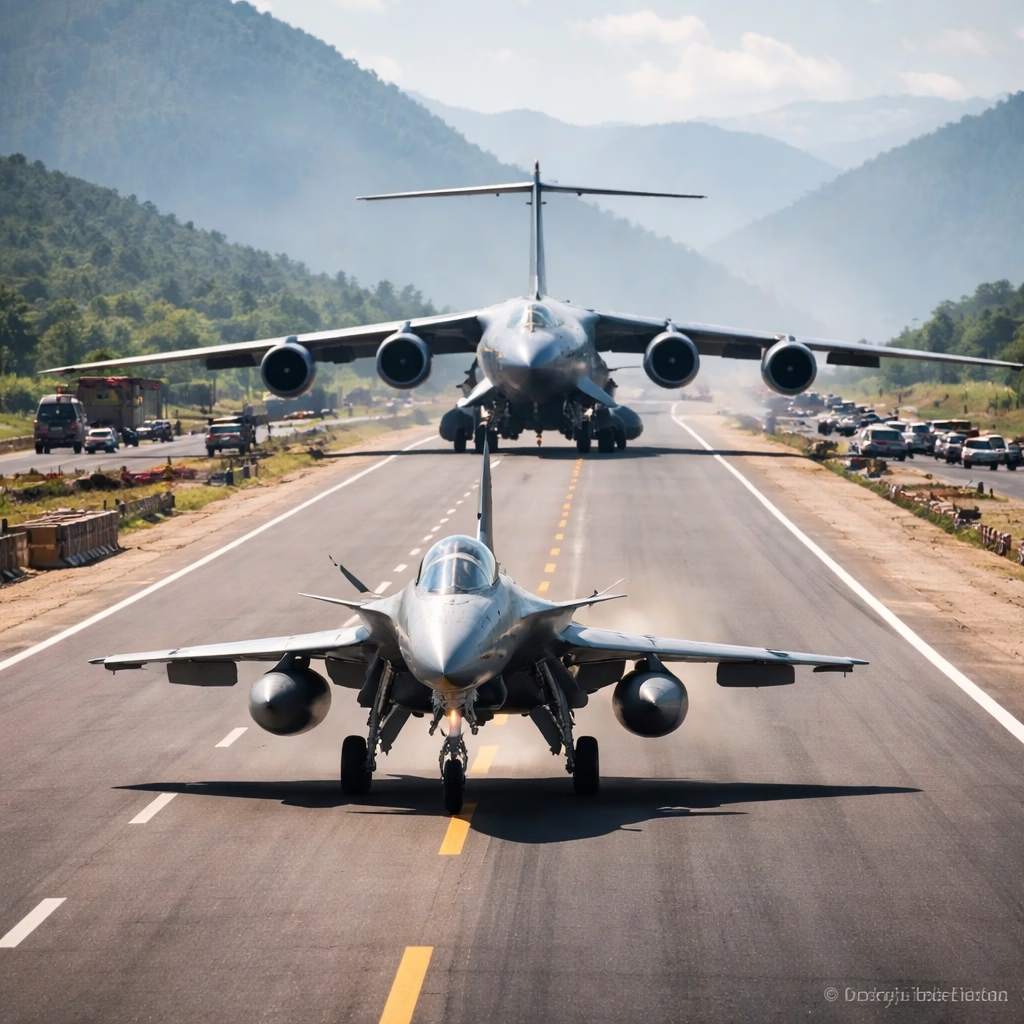
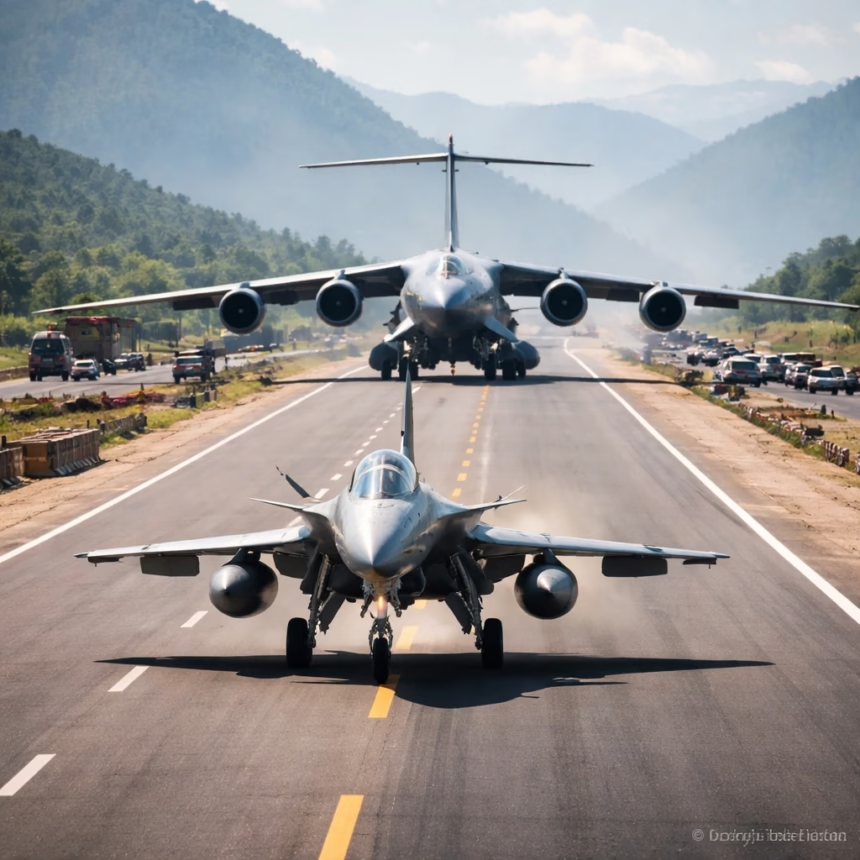
India is rapidly transforming a crucial highway near its border with China into a functional runway, significantly boosting its air defense capabilities in a strategically sensitive region. The project, underway since 2022, aims to provide rapid deployment options for advanced aircraft like Rafale and Globemaster heavy lifters. This development comes amidst heightened border tensions and a push for greater self-reliance in defense.
Background: A Strategic Imperative
For years, India has recognized the importance of air superiority in managing its relationship with China. The Line of Actual Control (LAC), the de facto border between the two nations in the Himalayas, is characterized by challenging terrain and limited infrastructure. Traditionally, airbases were located further away from the border, requiring longer transit times for aircraft deployment. The ongoing border disputes, particularly the clashes in 2020, highlighted the need for quicker reaction capabilities.
The Indian Air Force (IAF) has been advocating for strategically located airfields closer to the LAC for several years. This initiative isn't entirely new; the Indian military has previously utilized temporary airfields and repurposed existing roads for emergency landings. However, the current project represents a more substantial and long-term commitment to establishing a dedicated runway.
Key Developments: From Road to Runway
The transformation began in late 2022 with the commencement of work on the strategic road-cum-runway near the village of Bhuntar in Himachal Pradesh. This location is strategically chosen due to its proximity to key sectors along the eastern Ladakh border. The project involves widening and strengthening a section of NH 10, converting it into an all-weather runway capable of handling heavy military aircraft.
More Read

Significant progress has been made, with the runway nearing completion as of October 2023. The runway is estimated to be approximately 3,000 feet long, sufficient for the take-off and landing of aircraft like the Rafale fighter jet and the C-17 Globemaster heavy transport plane. The project incorporates advanced drainage systems to manage rainfall and snow, crucial for operations in the mountainous terrain.
The Indian government has allocated substantial funds to the project, totaling approximately ₹300 crore (around $37.5 million). The construction is being carried out by the Border Roads Organisation (BRO), a specialized engineering organization responsible for building and maintaining roads in high-altitude and remote areas.
Impact: Strengthening Border Defense
The new runway is expected to have a significant impact on India’s border defense posture. It will drastically reduce the time required to deploy aircraft to the LAC, providing a crucial advantage in responding to potential incursions or escalating situations. This rapid deployment capability enhances the IAF’s ability to project air power into the region.
More Read

Specifically, the runway will enable the IAF to conduct quicker sorties for surveillance, reconnaissance, and air strikes if needed. It also supports the rapid movement of troops and supplies to forward operating bases. The enhanced air mobility will bolster the overall operational readiness of the IAF in the strategically important eastern sector.
Beyond military applications, the infrastructure development also has implications for civilian connectivity in the region, potentially boosting tourism and economic activity.
What Next: Future Enhancements and Deployment
Operational Readiness
IAF exercises and drills are planned to begin on the new runway in late 2023 to test its operational capabilities. These exercises will focus on rapid deployment scenarios and ensure that the runway is fully prepared for aircraft operations.
The Indian government is also considering similar projects along other strategic roads near the border, including in Uttarakhand and Arunachal Pradesh. These initiatives aim to create a network of airfields that can be quickly activated in case of a crisis.
Aircraft Deployment
The IAF is expected to begin deploying Rafale and Globemaster aircraft to the new runway in the coming months. This will further enhance the IAF’s air power in the eastern Ladakh region. The deployment will be phased, starting with routine patrols and gradually increasing to more intensive operational exercises.
The development of the runway represents a significant step towards strengthening India’s defense capabilities and asserting its presence in the border region. It underscores the country's commitment to maintaining a strong air defense posture in the face of evolving geopolitical challenges.