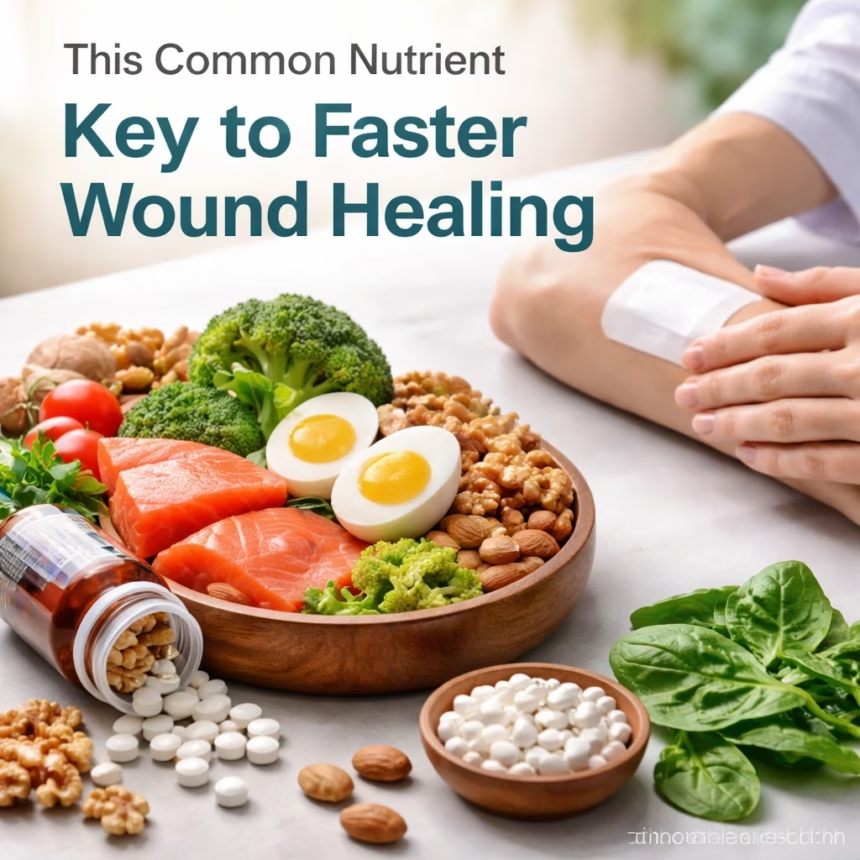
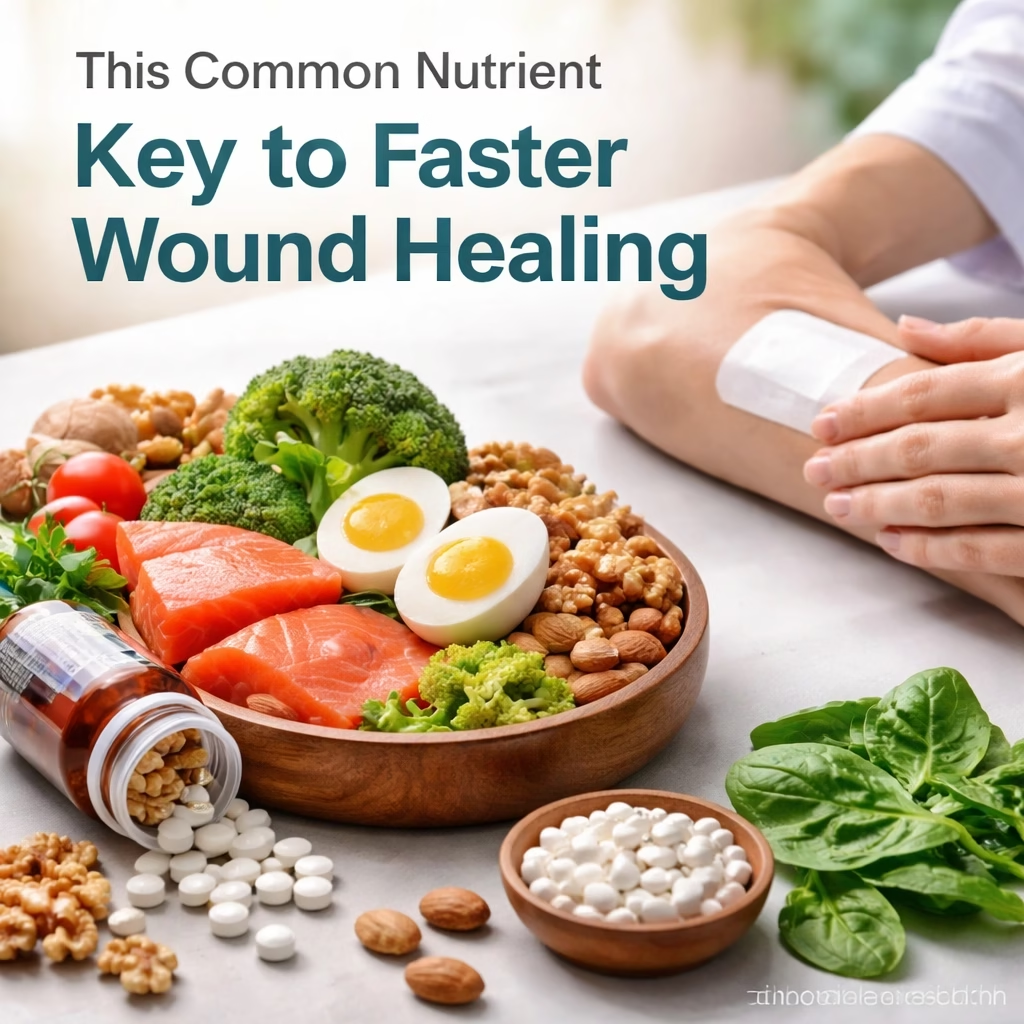
A growing body of scientific evidence from research institutions worldwide suggests that zinc, a common dietary mineral, plays a far more critical role in accelerating wound healing than previously understood. Recent studies highlight its profound impact on cellular repair mechanisms, immune response, and overall tissue regeneration, potentially offering a simple yet powerful tool to combat chronic wounds and improve post-injury recovery globally.
Background: A Long-Overlooked Ally in Recovery
The human body's ability to heal wounds is a complex, multi-stage process involving inflammation, proliferation, and remodeling. For centuries, healers have recognized the importance of general nutrition in recovery, with historical accounts often linking poor diet to slow healing or increased susceptibility to infection. The discovery of essential vitamins and minerals in the 20th century further illuminated specific nutritional requirements. For instance, the role of Vitamin C in collagen synthesis was established through observations of scurvy, while protein's fundamental contribution to tissue repair has long been a cornerstone of medical advice.
Zinc, a trace element vital for over 300 enzymatic reactions, has been acknowledged for its importance in immune function and growth since the mid-20th century. However, its direct and intricate involvement in the granular details of wound healing was often overshadowed by broader nutritional considerations. Early research in the 1960s hinted at zinc's efficacy in treating specific types of ulcers, but a comprehensive understanding of its molecular mechanisms at the wound site remained elusive for decades. Despite its ubiquitous presence in cells and its known role in DNA synthesis and cell division, zinc deficiency continued to be a widespread issue, particularly in developing nations and among specific populations in industrialized countries, often leading to impaired immune function and, consequently, compromised healing.
Key Developments: Unlocking Zinc’s Healing Power
Recent scientific breakthroughs, particularly over the last decade, have significantly deepened our understanding of zinc's multifaceted role in wound repair. Researchers at institutions like the University of Cambridge in the United Kingdom and the National Institutes of Health in the United States have identified specific molecular pathways where zinc exerts its influence. A landmark study published in 2018 by a team at the Karolinska Institute in Stockholm, Sweden, detailed how zinc ions act as crucial signaling molecules, orchestrating the migration and proliferation of keratinocytes and fibroblasts – the primary cells responsible for closing wounds and forming new tissue.
Further investigations have revealed zinc's critical involvement in modulating the immune response at the wound site. It helps regulate the activity of macrophages and neutrophils, preventing excessive inflammation while ensuring effective clearance of pathogens. Moreover, zinc functions as a potent antioxidant, neutralizing harmful reactive oxygen species that can impede healing and damage healthy tissue. This dual role of bolstering immune defense and mitigating oxidative stress is particularly significant in chronic wounds, where prolonged inflammation and oxidative damage are major barriers to recovery.
More Read

Clinical trials conducted across several medical centers, including the Mayo Clinic in Rochester, Minnesota, have demonstrated the tangible benefits of zinc supplementation. A meta-analysis published in the *Journal of Clinical Nutrition* in 2021, encompassing data from over 1,500 patients, concluded that oral zinc supplementation significantly reduced wound healing time and decreased the incidence of complications in patients with various types of wounds, including pressure ulcers and surgical incisions. These findings build upon earlier observations and provide robust evidence for integrating zinc assessment into standard clinical practice.
Impact: Aiding Vulnerable Populations and Healthcare Systems
The implications of these findings are far-reaching, particularly for populations most susceptible to impaired wound healing. Patients suffering from chronic conditions like diabetes, who frequently develop difficult-to-heal diabetic foot ulcers, stand to benefit immensely. These ulcers represent a significant cause of morbidity and amputation worldwide, with an estimated 15-25% lifetime risk for diabetic individuals. Faster healing could dramatically reduce amputation rates and improve quality of life.
More Read

The elderly, a demographic with naturally slower healing processes and a higher prevalence of nutritional deficiencies, also represent a key beneficiary group. Pressure ulcers, common in bedridden or immobile older adults, impose a substantial burden on both patients and healthcare systems. Similarly, burn victims, who face extensive tissue damage and heightened nutritional demands, could experience accelerated recovery and reduced infection risks with optimized zinc levels. Surgical patients, military personnel with combat injuries, and individuals recovering from severe trauma could all see improvements in their recovery trajectories.
From a broader healthcare perspective, the economic impact could be substantial. Chronic wounds cost national health services billions annually due to prolonged hospital stays, expensive treatments, and managing complications like infections. By facilitating faster, more efficient healing, widespread adoption of zinc-conscious wound care protocols could lead to significant reductions in healthcare expenditure, freeing up resources and improving overall patient outcomes across institutions from regional hospitals to major trauma centers.
What Next: Towards Integrated Wound Care
The burgeoning understanding of zinc's role is paving the way for several exciting advancements and future directions in wound care. Research is now focusing on identifying optimal dosages and delivery methods. Scientists are exploring whether topical applications of zinc, in specific formulations, could offer localized benefits, complementing systemic oral supplementation. The interaction of zinc with other essential nutrients, such as copper and iron, is also under scrutiny to ensure balanced nutritional support without adverse effects.
Expected milestones include the integration of routine zinc level screening into standard wound care assessments, particularly for at-risk patient populations. This could involve simple blood tests to identify deficiencies early. Furthermore, pharmaceutical and nutraceutical companies are likely to develop targeted zinc-based supplements or medical foods designed specifically to support wound healing, potentially offering enhanced bioavailability or specific formulations for different types of injuries.
Public health initiatives will also play a crucial role. Campaigns aimed at raising awareness among healthcare providers and the general public about the importance of zinc in diet and wound healing could lead to better nutritional practices. Policy recommendations from global health organizations, such as the World Health Organization (WHO), might advocate for increased zinc fortification in staple foods in regions with high prevalence of deficiency. The ultimate goal is to move towards a more holistic and nutritionally informed approach to wound management, where a simple, accessible mineral like zinc becomes a cornerstone of faster, more effective recovery for millions worldwide.