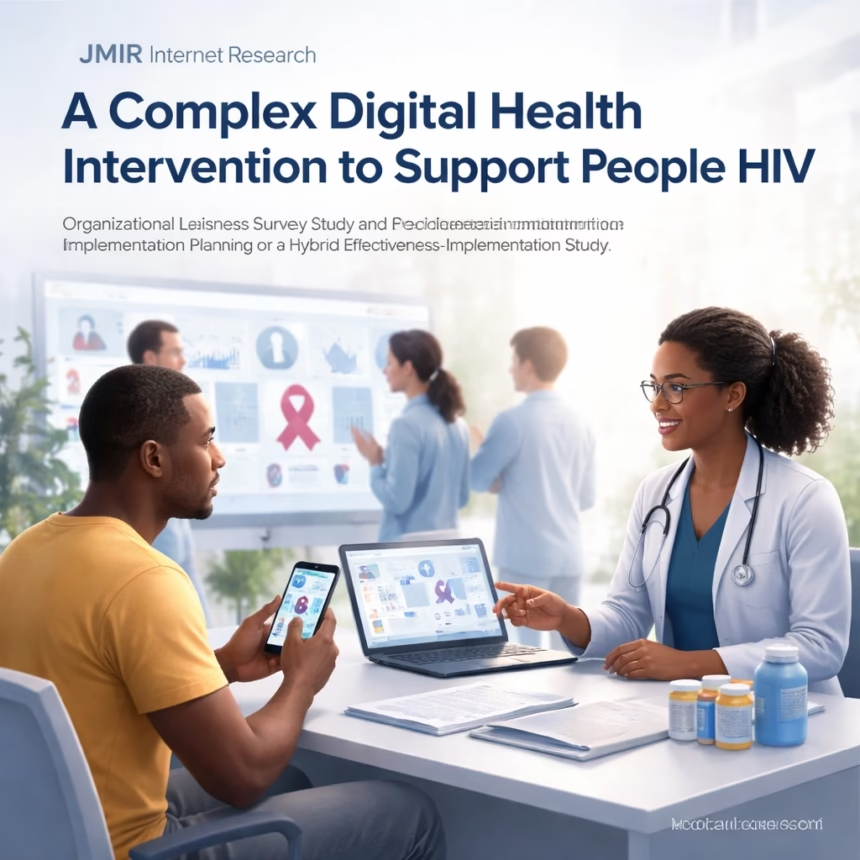
A pioneering study recently published in the Journal of Medical Internet Research (JMIR) details critical preimplementation planning and an organizational readiness survey for a new digital health intervention aimed at supporting people with HIV. This initiative, spanning multiple healthcare facilities across the United States, marks a significant step towards integrating advanced technology into chronic disease management. The findings provide a robust roadmap for a forthcoming hybrid effectiveness-implementation study, setting the stage for a potential transformation in HIV care delivery.
Background
The landscape of HIV care has evolved dramatically over recent decades, transforming a once-fatal diagnosis into a manageable chronic condition for many. However, persistent challenges remain, including medication adherence, mental health comorbidities, stigma, and equitable access to comprehensive support services. Traditional care models often struggle to address these multifaceted needs holistically, leading to calls for innovative solutions.
In response, researchers have been developing a “complex digital health intervention” designed to provide integrated, personalized support for people with HIV. This intervention goes beyond simple reminders, incorporating features such as personalized educational content, secure communication channels with care teams, medication adherence tracking, symptom monitoring, and potentially virtual peer support groups. The goal is to empower individuals, enhance self-management, and improve health outcomes.
The recently published study in JMIR represents a crucial phase in this development. It focused on understanding the readiness of healthcare organizations to adopt and integrate such a sophisticated digital tool. This preparatory work, conducted over the past year and culminating in its recent publication, is vital for ensuring that the subsequent large-scale study can proceed effectively and yield meaningful results. It builds upon years of foundational research into digital health and HIV management, moving from conceptualization to practical application.
Key Developments
The core of the recent JMIR publication centers on a comprehensive organizational readiness survey and meticulous preimplementation planning. This critical phase aimed to identify potential facilitators and barriers to the successful integration of the complex digital health intervention within diverse clinical settings.

Researchers engaged a broad spectrum of stakeholders, including clinicians, nurses, social workers, administrators, and IT personnel across multiple participating sites. The survey assessed various dimensions of readiness, such as technological infrastructure, staff capacity and training needs, perceived benefits and concerns, resource availability, and the organizational culture surrounding digital innovation.
Key findings highlighted several areas of strength, including a general enthusiasm for technology-driven solutions to improve patient care and a recognition of the intervention’s potential to enhance engagement and outcomes for people with HIV. However, the study also pinpointed significant challenges. These included concerns about staff workload, the need for robust technical support, potential digital literacy gaps among some patients and staff, and the complexities of integrating the new platform with existing electronic health record (EHR) systems.
The preimplementation planning component used these insights to develop tailored strategies. This involved identifying specific training modules for staff, outlining necessary IT infrastructure upgrades, designing adaptable implementation workflows, and establishing clear communication protocols between the research team and clinical sites. This proactive approach aims to mitigate anticipated hurdles before the full-scale study commences, ensuring a smoother rollout and higher likelihood of success.
More Read

Impact
The successful implementation of this digital health intervention stands to profoundly impact several key groups. Foremost among them are people living with HIV, who could experience significant improvements in their quality of life, medication adherence, and overall health outcomes. The intervention’s personalized nature promises to empower individuals to better manage their condition, reduce feelings of isolation, and enhance access to timely support and information. By addressing challenges like stigma and mental health, it aims to foster a more holistic approach to well-being.
Healthcare providers, including physicians, nurses, and social workers, are also poised to benefit. The intervention could streamline communication, provide real-time insights into patient progress, and potentially reduce administrative burdens by automating certain aspects of care coordination. This could free up valuable clinician time, allowing for more focused and impactful patient interactions. The data collected through the platform could also offer unprecedented insights into patient behaviors and health trends, informing more precise and effective care strategies.
Furthermore, healthcare systems and organizations stand to gain from enhanced efficiency, improved patient satisfaction, and the adoption of cutting-edge digital health solutions. The study’s focus on organizational readiness ensures that the intervention is designed for sustainable integration, potentially serving as a model for managing other complex chronic conditions. This initiative could pave the way for broader digital transformation within healthcare, demonstrating the tangible benefits of investing in smart, patient-centric technology.
What Next
With the preimplementation planning and organizational readiness study successfully concluded, the research team is now poised to launch the next critical phase: a hybrid effectiveness-implementation study. This ambitious undertaking will simultaneously evaluate the intervention’s clinical effectiveness in improving patient outcomes and the feasibility, fidelity, and cost-effectiveness of its implementation within real-world clinical settings.
Expected to commence within the next 6-12 months, this multi-site study will involve a larger cohort of participants and healthcare providers. It will likely incorporate elements of a randomized controlled trial to rigorously assess the intervention’s impact on key metrics such as viral load suppression, medication adherence rates, mental health scores, and quality of life. Concurrently, a robust process evaluation will gather data on how well the intervention is integrated into existing workflows, staff satisfaction, and patient engagement levels.

The ultimate goal is to generate comprehensive evidence demonstrating both the clinical utility and practical viability of the digital health intervention. If successful, the findings could lead to its widespread adoption across healthcare systems, potentially informing national guidelines for HIV care and serving as a blueprint for similar interventions in other chronic disease areas. The research team also anticipates ongoing refinements to the platform based on real-world feedback, ensuring its continuous evolution and optimal impact for people with HIV globally.