Vaccine Study Halt Sparks Debate in Global Health
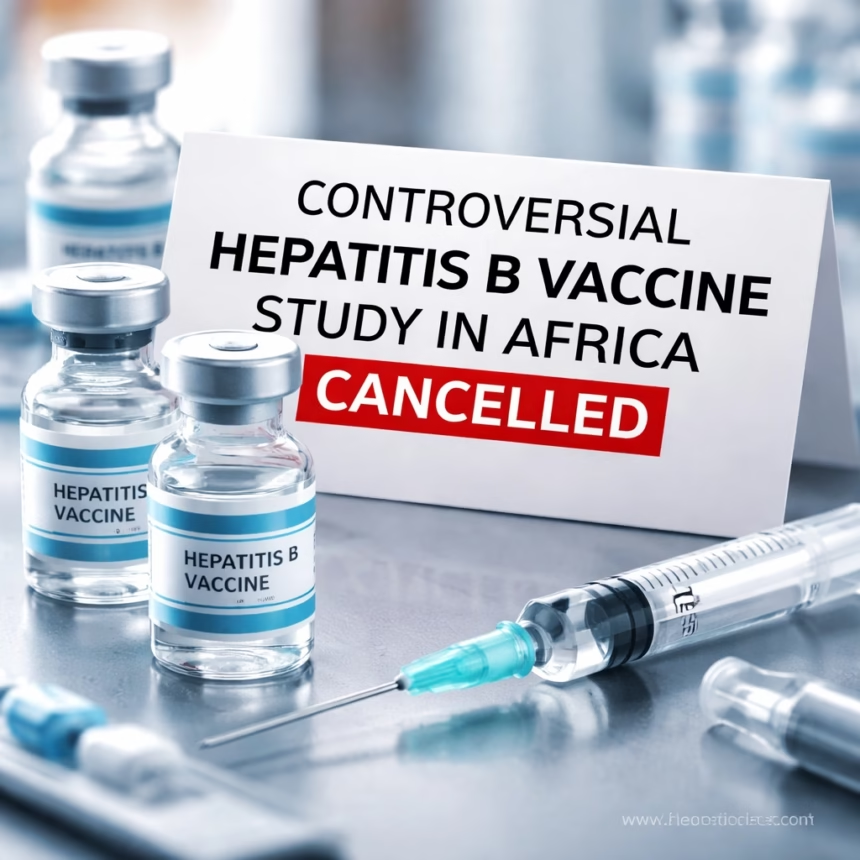
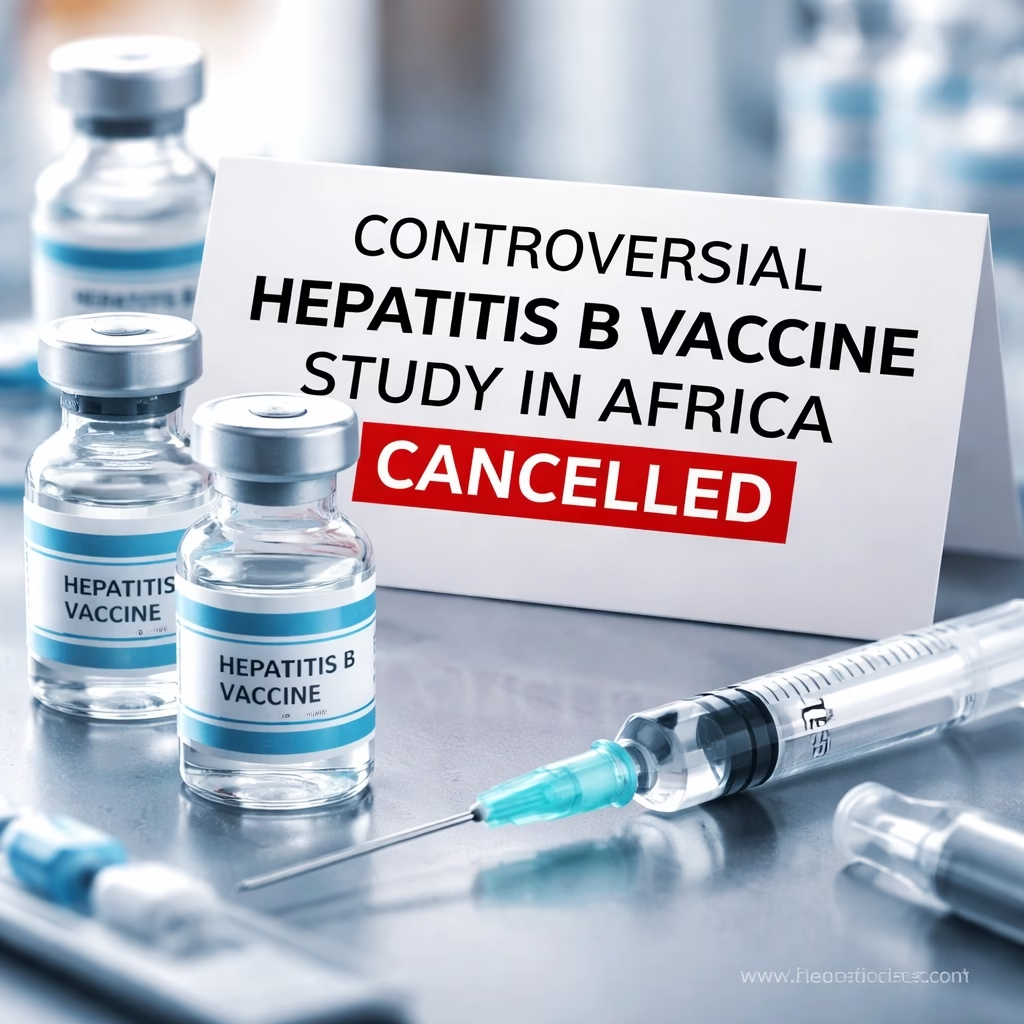
A pivotal hepatitis B vaccine study conducted in several African countries has been temporarily suspended, raising concerns about research ethics and vaccine efficacy. The decision, announced by the University of Oxford on July 26, 2024, follows mounting scrutiny over data handling and participant safety. The study, initiated in 2016, aimed to assess the effectiveness of a new hepatitis B vaccine formulation.
Background
The research project, titled "Evaluating the Efficacy and Safety of a Novel Hepatitis B Vaccine in Africa," began in 2016 across multiple sites in Benin, Burkina Faso, Ghana, Ivory Coast, and Nigeria. Funded by the UK's Medical Research Council and involving the University of Oxford in collaboration with local research institutions, the study sought to determine if a modified hepatitis B vaccine could offer improved protection against the disease, particularly in populations with high infection rates. Hepatitis B is a serious liver infection that can lead to chronic liver disease, cirrhosis, and liver cancer. Millions are affected globally each year, with a disproportionate impact on Sub-Saharan Africa. The original study protocol outlined a multi-stage clinical trial, including phases focused on safety and efficacy.
Key Developments
The recent pause in the study stemmed from concerns raised by regulatory bodies and ethical review boards regarding data transparency and potential risks to participants. Reports surfaced in late July indicating inconsistencies in the reporting of adverse events and questions about the independent oversight of the research. Specifically, concerns centered around the handling of data related to a small number of participants who experienced adverse reactions during the trial. The University of Oxford stated the suspension was a precautionary measure to ensure the safety and well-being of all participants. A thorough review of the study's data and procedures is currently underway, led by an independent committee appointed by the Medical Research Council. The suspension order was formally communicated to all participating sites on July 26th.
More Read

Impact
The suspension of the study has immediate implications for the participants involved, who are receiving ongoing medical monitoring. Local communities in Benin, Burkina Faso, Ghana, Ivory Coast, and Nigeria, where the study was being conducted, have expressed concern and frustration. Many participants were initially drawn to the study out of a desire to contribute to improved healthcare in their communities. The halt also delays potential access to a potentially improved hepatitis B vaccine for these populations. Furthermore, the controversy surrounding the study is likely to impact future research endeavors in the region, potentially eroding trust between researchers and local communities. The suspension could also affect collaborations between the University of Oxford and African research institutions.
Ethical Considerations
The controversy has reignited discussions surrounding ethical research practices in low- and middle-income countries. Key concerns include ensuring informed consent is fully understood, equitable distribution of benefits, and robust mechanisms for addressing adverse events. The incident underscores the need for enhanced regulatory oversight and independent monitoring of international research projects.
What Next
The Medical Research Council has committed to a comprehensive review of the study’s data and procedures, expected to be completed within the next three months. This review will assess data integrity, identify any breaches of ethical guidelines, and recommend corrective actions. Following the review, the independent committee will determine whether the study can safely and ethically resume. The University of Oxford has pledged full cooperation with the investigation and has emphasized its commitment to upholding the highest standards of research integrity. Alternatives for providing access to improved hepatitis B vaccines to the study participants are also being explored. The outcome of the review will be crucial in determining the future of the study and potentially impacting future international vaccine research initiatives.

Future Research Plans
While the Oxford study is paused, efforts to develop and deploy effective hepatitis B vaccines in Africa continue. Other research projects, including those focused on novel vaccine delivery methods and improved vaccine formulations, are ongoing across the continent. These efforts are vital to combating the persistent threat of hepatitis B and improving public health outcomes.