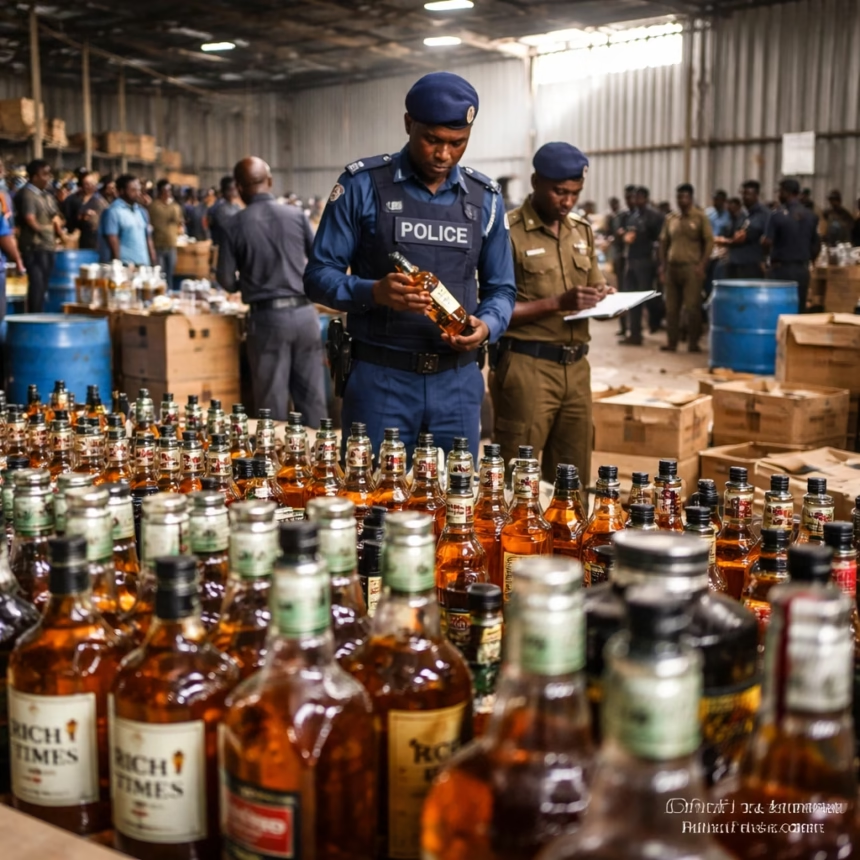
A significant blow against illicit trade was struck in the early hours of Tuesday, October 26, 2023, when a multi-agency operation successfully raided a sprawling counterfeit alcohol manufacturing plant in Joska, Machakos County. The meticulously planned bust led to the discovery of a sophisticated operation producing fake alcoholic beverages, seizing millions of shillings worth of illicit products and raw materials, and apprehending several suspects.
Background on Kenya’s Battle Against Illicit Alcohol
The problem of counterfeit and illicit alcohol has long plagued Kenya, posing severe public health risks and causing substantial economic damage. Historically, the nation has grappled with tragic incidents of mass poisoning linked to unregulated brews, often containing lethal substances like methanol. A notable crisis in 2014, and earlier in 2005, saw dozens of fatalities and hundreds suffering blindness or severe illness after consuming toxic alcohol.
These recurring tragedies spurred intensified government efforts to combat the illicit trade. Agencies such as the Directorate of Criminal Investigations (DCI), Kenya Revenue Authority (KRA), and Kenya Bureau of Standards (KEBS) have been at the forefront, conducting regular crackdowns and public awareness campaigns. Despite these interventions, the allure of quick profits continues to fuel sophisticated criminal networks, often adapting their methods to evade detection. Areas like Joska, situated along key transport corridors and experiencing rapid urbanization, have become attractive hubs for such clandestine operations due to their accessibility and the challenge of comprehensive oversight.
Key Developments in the Joska Bust
The recent raid on the Joska facility represents a significant victory in this ongoing battle. Acting on actionable intelligence gathered over several months, a combined team of DCI detectives, KRA officers, and KEBS inspectors descended upon an unassuming warehouse located off the Kangundo Road, deep within the Kamulu-Joska industrial zone. The operation commenced at approximately 4:00 AM, catching the suspects largely by surprise.
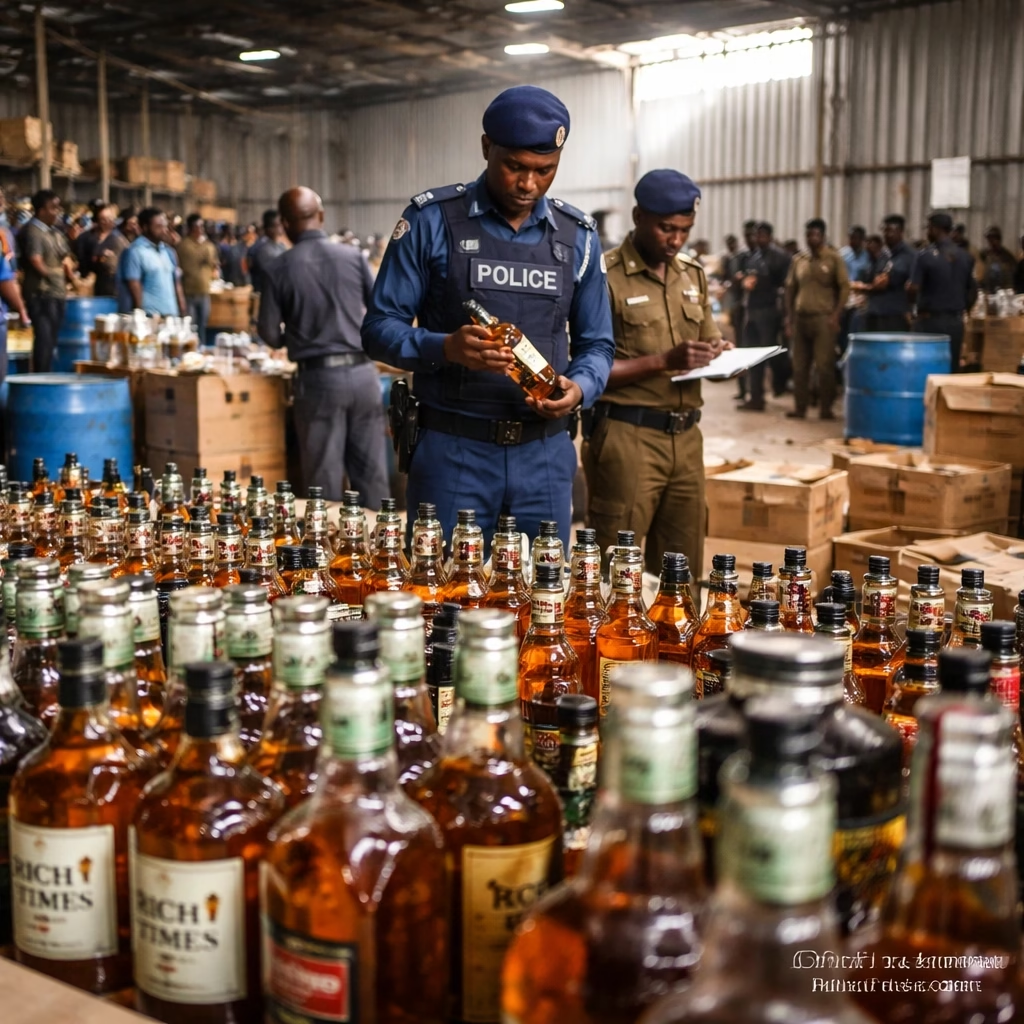
Inside the sprawling compound, authorities uncovered a fully operational factory designed to mimic legitimate alcohol production. The scene was characterized by unsanitary conditions and a shocking array of dangerous chemicals. Seized items included thousands of liters of highly concentrated ethanol, industrial dyes, artificial flavorings, and unpurified water, all destined to be transformed into hazardous concoctions. The facility also housed industrial-grade bottling machines, labeling equipment, and an extensive stock of empty bottles, branded caps, and packaging materials for popular local and international alcohol brands.

Crucially, investigators found a cache of counterfeit KEBS standardization marks and KRA revenue stamps, indicating the depth of the deception. These fake stamps were intended to mislead consumers and bypass legitimate tax obligations. Initial estimates place the value of the seized goods, including finished products and raw materials, at over KES 70 million. Seven individuals, suspected to be workers and supervisors at the illicit plant, were arrested on site and taken into custody for further questioning. Among the brands being counterfeited were popular gin, vodka, and whisky labels, which the syndicate aimed to distribute across various retail outlets, particularly in informal settlements and rural areas.
Profound Impact of Counterfeit Alcohol
The ramifications of counterfeit alcohol production extend far beyond economic losses, touching upon public health, legitimate industry, and the rule of law.
Public Health Crisis
The most immediate and severe impact is on public health. Counterfeit alcohol often contains lethal contaminants, most commonly methanol, a highly toxic industrial alcohol. Consumption of methanol can lead to irreversible blindness, kidney failure, severe neurological damage, and death, even in small doses. Unlike ethanol, which is metabolized safely by the human body, methanol breaks down into formic acid, poisoning vital organs. The unsanitary conditions observed in such factories also pose risks of bacterial contamination, further endangering consumers.
More Read

Economic Disruption
Economically, the illicit trade drains billions of shillings from the national treasury annually through tax evasion. This lost revenue could otherwise fund essential public services like healthcare, education, and infrastructure. Legitimate alcohol manufacturers suffer immense financial losses due to unfair competition from cheaper, untaxed counterfeit products. Their brand reputations are also severely damaged when consumers mistakenly associate genuine products with the adverse effects of counterfeits. This can lead to reduced sales, job losses in the formal sector, and a general erosion of consumer trust in established brands.
Erosion of Trust and Rule of Law
The proliferation of counterfeit goods undermines consumer confidence and fosters a culture of impunity. It suggests that criminal enterprises can operate unchecked, eroding public trust in regulatory bodies and law enforcement. The complex networks involved in sourcing raw materials, manufacturing, and distributing these products often point to organized crime, potentially funding other illegal activities and destabilizing communities.
What Next for the Joska Case and Beyond
The Joska bust marks the beginning of a complex investigative and legal process, with several critical milestones expected.
Intensified Investigations
DCI detectives, in collaboration with KRA and KEBS, are conducting thorough forensic analyses of the seized products and raw materials to determine their exact composition and origin. The focus is now on tracing the entire supply chain, from the suppliers of industrial ethanol and chemicals to the distributors who channel the finished products into the market. Authorities aim to identify the kingpins and financiers behind this sophisticated operation, potentially unraveling a larger criminal syndicate. Interrogations of the arrested suspects are ongoing, with investigators hoping to glean crucial information about their network.
Legal Proceedings
The seven suspects are expected to be arraigned at the Mavoko Law Courts within the coming days, facing serious charges including manufacturing counterfeit goods, tax evasion, and endangering public health. These charges carry significant penalties, including lengthy prison sentences and hefty fines. The prosecution will rely on the overwhelming evidence gathered during the raid, including chemical analyses and expert testimonies from KEBS and KRA officials. The outcome of these legal proceedings will send a strong message about the government's resolve to combat illicit trade.

Enhanced Enforcement and Public Awareness
In the wake of this bust, regulatory bodies are likely to intensify surveillance and enforcement efforts across the country, particularly in known hotspots for illicit manufacturing. There will be renewed calls for inter-agency collaboration, leveraging technology for more effective detection and monitoring of illegal operations. KEBS and KRA may also launch fresh public awareness campaigns, educating consumers on how to identify genuine products, such as checking for valid KEBS standardization marks, KRA excise stamps, and proper packaging. Consumers will be urged to report suspicious products or activities to the authorities promptly.
Policy Review and International Cooperation
The incident may also prompt a review of existing legislation and policies related to counterfeit goods, potentially leading to stricter penalties and more robust regulatory frameworks. Given that some raw materials or even finished products might originate from outside Kenya, there could be increased international cooperation with customs and law enforcement agencies in neighboring countries and beyond to disrupt cross-border smuggling networks. The safe disposal of the hazardous seized materials will also be a critical step, ensuring no further environmental or health risks are posed.