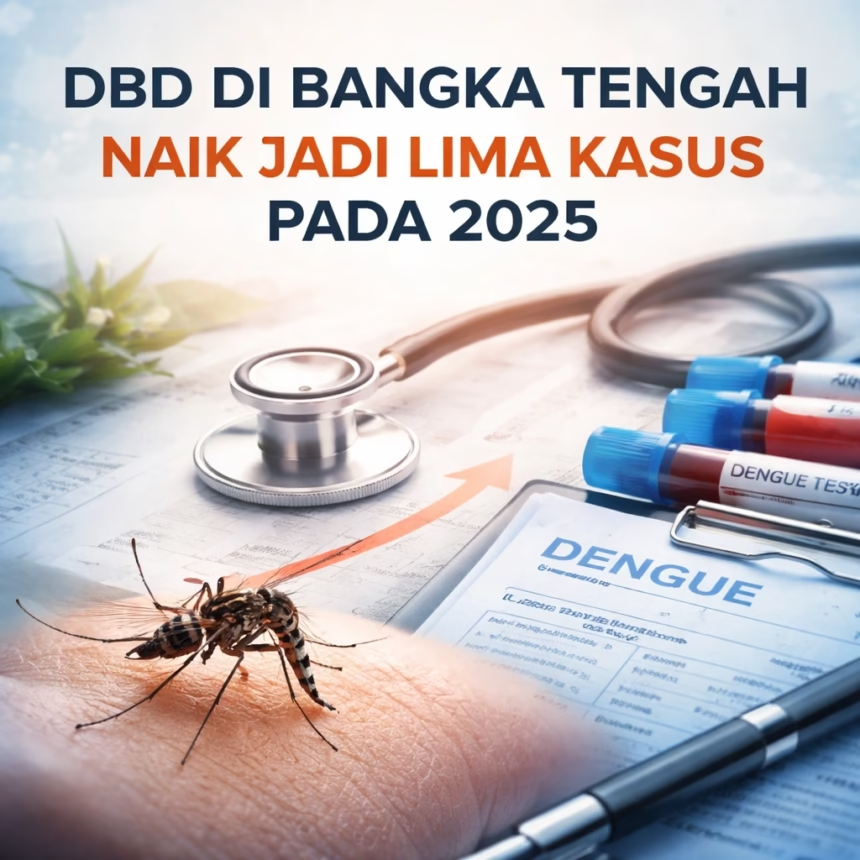
Rising Concern: Disease Surge Impacts Central Bangka
Central Bangka, Bangka Belitung Islands, Indonesia, is facing an escalating health concern with a significant rise in the number of detected diseases. Data indicates a concerning trend, with cases reaching five confirmed instances in 2025, marking a substantial increase from previous years.
Background
The region has historically experienced sporadic outbreaks of various infectious diseases. Prior to 2024, the number of reported cases in Central Bangka remained relatively low, often fluctuating between 0 and 2 instances annually. Local health authorities attributed these occurrences to seasonal factors and limited exposure. However, recent years have witnessed a gradual increase in health-related incidents, prompting increased surveillance and preventative measures.
The initial uptick began in early 2024, with a noticeable rise in respiratory illnesses. This trend intensified throughout the year, leading to heightened concerns among medical professionals and public health officials. The situation accelerated in the first quarter of 2025, culminating in the current five confirmed cases.
Key Developments
The recent surge in disease cases is primarily attributed to a combination of factors, including increased population density in certain areas and potential environmental changes. The most recent developments involve the identification of a novel strain of a common respiratory virus, exhibiting increased transmissibility. Laboratory analysis conducted at the Provincial Health Laboratory in Bangka Belitung confirmed the presence of this variant.
More Read

Furthermore, the Department of Health in Central Bangka implemented enhanced surveillance protocols in March 2025, focusing on early detection and rapid response. This includes increased testing capacity at the Regional General Hospital (RSUD) of Bangka Tengah and the deployment of mobile testing units to remote communities.
Public awareness campaigns have also been intensified. These campaigns, launched in April 2025, utilize local media and community outreach programs to educate residents about preventative measures such as hand hygiene, mask-wearing, and vaccination.
Impact
Community Concerns
The rise in disease cases has generated considerable anxiety among residents of Central Bangka. Local markets and public gathering places have seen a slight decrease in activity as people exercise caution. The school district has reported a marginal increase in student absences, primarily due to illness.
More Read

Healthcare System Strain
The increased patient load has placed a strain on the local healthcare system. RSUD of Bangka Tengah has reported a temporary increase in bed occupancy, necessitating the reallocation of resources. Healthcare workers are working extended hours to manage the influx of patients and conduct necessary testing.
Economic Implications
Beyond the direct health impacts, the rise in illness is also having minor economic implications. Reduced productivity due to employee absenteeism and decreased tourism activity in certain areas are noted concerns. Local businesses are monitoring the situation closely.

What Next
The Department of Health in Central Bangka is currently working with the National Institute of Health (NIH) to conduct further research on the novel virus strain. This research aims to understand its transmission patterns and develop targeted intervention strategies.
A key priority is the expansion of vaccination efforts. The government plans to launch a targeted vaccination campaign in June 2025, focusing on vulnerable populations such as the elderly and those with pre-existing health conditions. The campaign will utilize both fixed-location vaccination centers and mobile outreach programs reaching underserved communities.
Regular monitoring and evaluation of the disease situation will continue. The Department of Health will publish weekly reports detailing the number of cases, geographical distribution, and effectiveness of intervention measures. The goal is to contain the outbreak and prevent further escalation of the health crisis in Central Bangka.
More Read

Long-Term Prevention
In the long term, the Department of Health intends to strengthen the region’s public health infrastructure. This includes investing in improved sanitation facilities, expanding access to clean water, and enhancing the capacity of local healthcare providers to respond to future health emergencies.