Searches for “dense fog advisory” spike whenever drivers wake up to a gray wall outside the window and GPS suddenly feels less trustworthy. Fog seems harmless — until visibility collapses and the margin for error disappears.
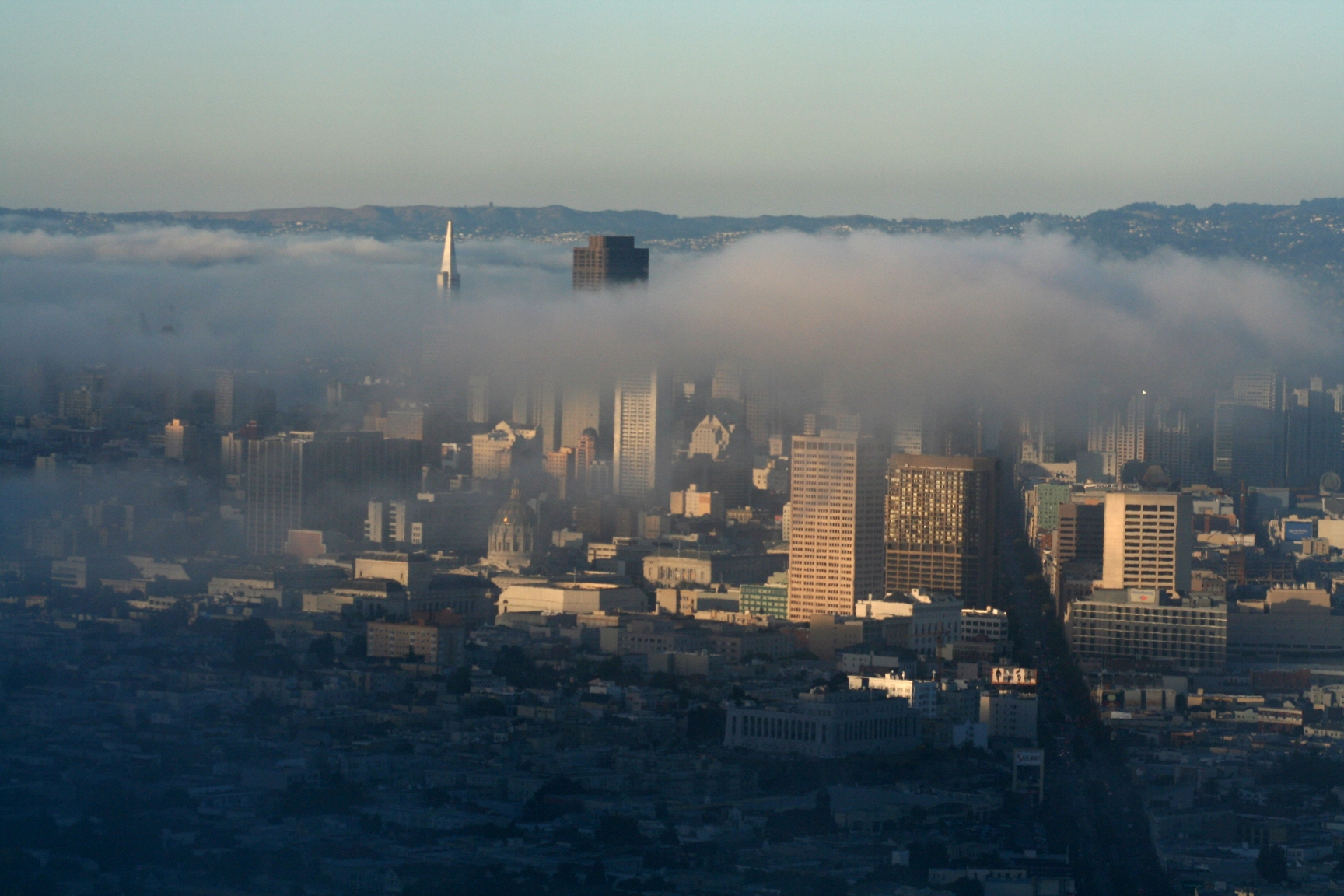
In the U.S., a “Dense Fog Advisory” is typically issued by a local National Weather Service (NWS) office when widespread dense fog develops and visibility frequently drops to around a quarter mile (or less). The NWS safety guidance emphasizes that these conditions can make travel difficult and that drivers should take extra caution — or avoid driving if possible. (See: weather.gov safety: Fog.)
Local outlets often republish the same core warning language when advisories are posted for a specific region. For example, OregonLive’s weather-alert coverage regularly explains that “visibility can plummet to a quarter-mile or less” during a dense fog advisory, reinforcing how quickly routine driving can turn hazardous. (Example: OregonLive alert write-up.)
Context
Fog forms when air near the ground becomes saturated and water vapor condenses into tiny droplets suspended in the air. The “dense” part is the practical, driver-centered definition: when those droplets become so concentrated that you can’t see far enough ahead to drive normally, especially at highway speeds.
Several common setups produce dense fog:
More Read

- Radiation fog: clear nights allow the ground to cool quickly; the air right above it cools too, reaching the dew point by sunrise.
- Advection fog: warm, moist air moves over a cooler surface (cold ocean water, snowpack, chilled ground).
- Valley fog: colder, heavier air settles in low-lying areas, pooling moisture and reducing visibility along rivers and in basins.
What makes fog feel “sudden” is that it can be highly localized. One stretch of road might look fine, and the next mile can become opaque — especially near water, farmland, or dips in terrain. That’s why advisories matter: they warn that the fog isn’t just patchy mist, but widespread enough that many drivers will encounter it.
Dense fog is also dangerous because it changes how we perceive speed and distance. Drivers may unintentionally follow too closely, overdrive their headlights, or make abrupt lane changes when they realize too late that traffic has slowed ahead.
Reactions
When an advisory drops, you’ll usually see two types of reactions online:
More Read
- “Is this real? It looks normal here.” Fog can vary block-by-block, so people compare screenshots from different neighborhoods and argue about whether the warning is “overblown.”
- Crash and commute anxiety. Drivers share dashcam clips, spin-out photos, and stories of near misses, especially if the fog coincides with a busy morning commute.
Meteorologists and emergency managers often respond with the same message: advisories are issued because the risk is predictable at a broad scale, even if every driveway doesn’t look the same. The cost of “false alarm” annoyance is low; the cost of under-warning can be major pileups and injuries.
Another frequent conversation is about headlights. Many people don’t realize that high beams can make fog worse by reflecting light back into the driver’s eyes. That misunderstanding turns into a mini culture-war every winter, but the physics stays the same: low beams (or proper fog lights) are usually safer in dense fog.
Future Outlook
Fog advisories will remain a recurring winter and shoulder-season trend, especially in regions with strong temperature swings, coastal influences, river valleys, or frequent overnight inversions. As more cars adopt advanced driver-assistance features, a new question is also emerging: How well do sensors handle fog? Cameras, radar, and lidar each have limitations, and “assist” does not equal “autopilot.”
For everyday drivers, the safest “future outlook” is still boring and effective:
- Slow down and increase following distance.
- Use low beams; avoid high beams.
- Give yourself extra time and consider delaying travel.
- If you must pull over, get completely off the roadway and use hazard lights appropriately.
Sources: National Weather Service safety guidance (Fog); example local advisory coverage: OregonLive.