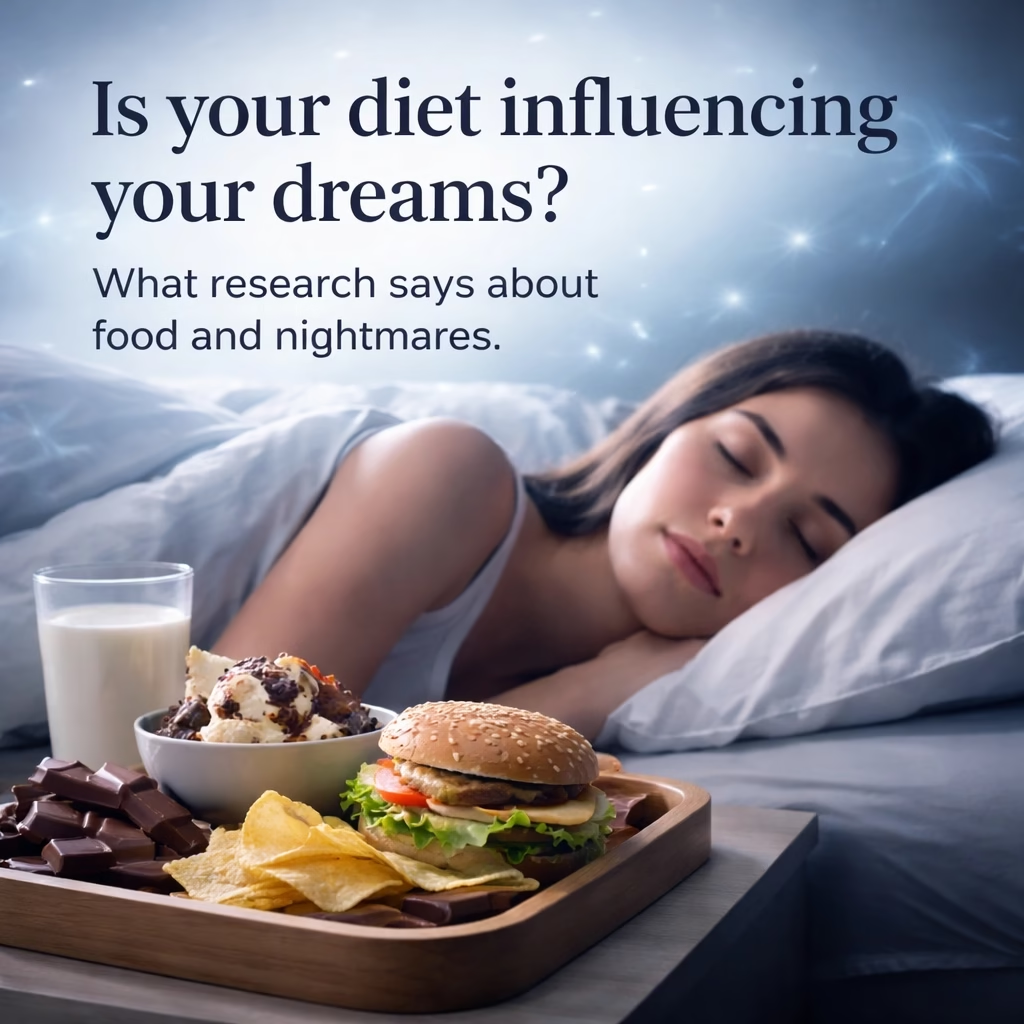
For centuries, anecdotal evidence has suggested a profound link between what we consume and the vividness or terror of our dreams. Modern scientific research, particularly in the fields of sleep medicine and nutritional science, is now systematically exploring this connection. Studies across various institutions are shedding light on how dietary choices might influence our nocturnal narratives, from pleasant slumber to disturbing nightmares.
Background: From Folk Wisdom to Scientific Inquiry
The notion that food impacts dreams is not new. Ancient Egyptians, Greeks, and Romans often attributed dream content to dietary intake, with texts suggesting certain foods could induce prophetic visions or unsettling disturbances. Medieval European folklore, for instance, popularized the idea of "cheese dreams," where consuming cheese before bed was believed to lead to bizarre or frightening nightmares.
Early scientific observations in the 19th and early 20th centuries began to move beyond pure anecdote, with physicians noting patient reports linking indigestion to troubled sleep. However, without the tools to objectively measure sleep stages or brain activity, these observations remained largely speculative. The true scientific exploration of sleep began in earnest with the discovery of Rapid Eye Movement (REM) sleep in the 1950s, a phase strongly associated with dreaming.
Initial dietary studies were often small and focused on specific, culturally relevant foods. These early investigations, while limited by methodology, laid the groundwork for more rigorous research. They highlighted the complex interplay between digestion, metabolism, body temperature, and brain function during sleep, suggesting that what we eat is not merely fuel but a potential modulator of our subconscious experiences.
Key Developments: Unpacking the Dietary Dreamscape
Recent years have seen a surge in sophisticated research, employing advanced methodologies like polysomnography, continuous glucose monitoring, and detailed dietary recalls alongside dream diaries. This has allowed scientists to pinpoint specific dietary factors that significantly influence dream content and sleep quality.

The Macronutrient Matrix
Studies have increasingly focused on the impact of macronutrients. High-fat meals, particularly when consumed close to bedtime, have been consistently linked to sleep disturbances. Research presented at the European Sleep Research Society conference in 2018 indicated that heavy, fatty meals can delay gastric emptying, increase metabolic activity during sleep, and elevate core body temperature, leading to more fragmented sleep and potentially more vivid, disturbing dreams.
Similarly, diets rich in refined sugars and simple carbohydrates can cause rapid fluctuations in blood glucose levels. A 2020 study from the University of Toronto's Department of Nutritional Sciences suggested that these glycemic swings might disrupt sleep architecture, particularly affecting REM sleep, which is crucial for dreaming. This disruption could manifest as increased dream recall, heightened emotional intensity in dreams, or a greater propensity for nightmares.
Conversely, some nutrients are thought to promote better sleep and potentially more pleasant dreams. Tryptophan, an amino acid found in foods like turkey, milk, and nuts, is a precursor to serotonin and melatonin, hormones vital for sleep regulation. While direct evidence linking tryptophan intake to specific dream content is still developing, its role in promoting restful sleep is well-established.
More Read

Timing is Everything
Beyond the composition of food, the timing of meals has emerged as a critical factor. Eating large meals or specific food groups too close to bedtime appears to be a common trigger for vivid dreams and nightmares. The body's digestive system remains active, diverting energy and increasing internal temperature at a time when physiological processes should be slowing down. A 2022 review published in the *Journal of Clinical Sleep Medicine* highlighted that consuming food within two to three hours of sleep onset significantly correlates with increased sleep latency and reduced sleep efficiency, factors indirectly linked to altered dream experiences.
The Gut-Brain Connection
An exciting frontier in this research is the gut-brain axis. Emerging evidence suggests that the trillions of microorganisms residing in our gut, collectively known as the microbiome, play a crucial role in influencing mood, cognition, and sleep. The gut produces numerous neurotransmitters, including serotonin, which is essential for regulating sleep cycles. Disruptions in the gut microbiome, often influenced by diet, could therefore indirectly impact dream content and the likelihood of nightmares. Research at the California Institute of Technology in 2023 is exploring how specific probiotics might modulate sleep and dream patterns.
Impact: Who is Affected and How?
The findings of this research have broad implications, affecting various segments of the population. Individuals already prone to sleep disorders, such as insomnia or sleep apnea, may find their symptoms exacerbated by poor dietary choices. For those who frequently experience nightmares, including individuals with Post-Traumatic Stress Disorder (PTSD) or high stress levels, understanding the dietary triggers can offer a non-pharmacological avenue for intervention.
Beyond the Bedtime Snack
The general population stands to benefit significantly. Everyone eats, and simple adjustments to diet and meal timing could lead to improvements in sleep quality, mood, and overall well-being. Poor sleep and disturbing dreams can have a cascading effect on daytime functioning, impacting concentration, productivity, and emotional regulation. Athletes, shift workers, and individuals with demanding schedules, who often struggle with optimizing sleep, could particularly benefit from tailored dietary advice. The mental health implications are also profound; reducing nightmare frequency can alleviate anxiety and improve mental resilience.
What Next: Towards Personalized Dream Diets
The future of research in this field promises more targeted and personalized approaches. Expected milestones include:
Towards Personalized Dream Diets
Scientists anticipate conducting more extensive, longitudinal studies that track dietary habits and dream content over extended periods, using advanced wearable technology and AI-driven analysis. This will enable a deeper understanding of long-term correlations and causal relationships. The concept of personalized nutrition is gaining traction, with future dietary recommendations potentially being tailored based on an individual's genetic predispositions, microbiome composition, and specific sleep profiles. This could involve bespoke meal plans designed to optimize dream quality and reduce nightmare frequency.

Further exploration of the gut-brain axis is crucial. Understanding how specific microbial metabolites influence neurotransmitter production and brain activity during sleep could unlock novel dietary interventions. Advanced neuroimaging techniques will allow researchers to observe brain activity during various sleep stages in response to specific dietary interventions, providing unprecedented insights into the neural mechanisms underlying diet-induced dream alterations.
Ultimately, these findings are expected to be integrated into clinical practice. Sleep clinics, nutritionists, and dietitians will likely incorporate these evidence-based dietary guidelines into patient care plans, offering practical, non-invasive strategies for improving sleep and managing dream experiences. The focus will also broaden to specific populations, including children, adolescents, and the elderly, as well as individuals with specific medical conditions, ensuring comprehensive and inclusive recommendations.