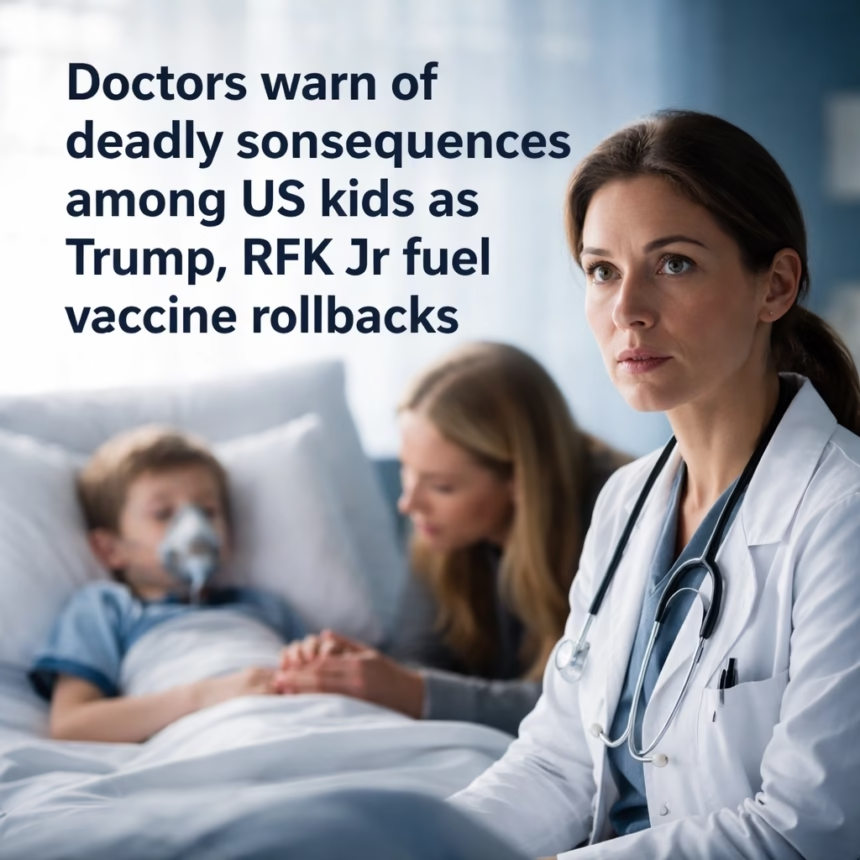
Doctors Warn of Deadly Consequences as Anti-Vaccine Movements Gain Traction in the US
Doctors Warn of Deadly Consequences as Anti-Vaccine Movements Gain Traction in the US
Health experts are raising alarms over the resurgence of preventable diseases among U.S. children as vaccine hesitancy grows, fueled by political figures and misinformation. The Centers for Disease Control and Prevention (CDC) reports a decline in childhood immunization rates, while cases of measles, whooping cough, and other vaccine-preventable illnesses are rising.
Background: The Rise of Vaccine Hesitancy
Vaccine hesitancy has been a growing concern in the U.S. for years, but recent political and social factors have accelerated the trend. The COVID-19 pandemic exacerbated distrust in public health agencies, with some parents delaying or refusing routine childhood vaccines. High-profile figures, including presidential candidate Robert F. Kennedy Jr., have amplified anti-vaccine rhetoric, claiming vaccines are harmful despite overwhelming scientific evidence to the contrary.
Historically, the U.S. has maintained high vaccination rates, credited with eliminating diseases like polio and measles. However, outbreaks of preventable illnesses have resurfaced in recent years, particularly in communities with low vaccination coverage. States like California, New York, and Texas have seen outbreaks of measles, mumps, and pertussis, underscoring the fragility of herd immunity.
Key Developments: Declining Immunization Rates and Rising Outbreaks
CDC data shows that vaccination rates for children under 2 years old dropped below 90% in 2022, a significant decline from pre-pandemic levels. Experts attribute this trend to missed well-child visits, misinformation, and relaxed state vaccination laws. In some states, parents can now claim personal or religious exemptions to avoid vaccinating their children, further reducing herd immunity.
Recent outbreaks include a 2023 measles case in Minnesota, where an unvaccinated child contracted the disease during international travel. Public health officials warn that such incidents could lead to larger epidemics if vaccination rates continue to fall. Meanwhile, the rise of anti-vaccine social media groups has made it harder for parents to access accurate information, leaving them vulnerable to misleading claims.
Impact: Who Is at Risk?
The decline in vaccination rates puts children, immunocompromised individuals, and elderly populations at risk. Infants who are too young to be fully vaccinated are particularly vulnerable, as are those with underlying health conditions. Schools, daycare centers, and communities with low vaccination rates are hotspots for outbreaks, disrupting education and public health efforts.
Healthcare systems are also strained by preventable illnesses, diverting resources away from other critical needs. Hospitals in states with high exemption rates have reported increased hospitalizations for conditions like whooping cough and measles, straining resources and increasing costs. The economic and emotional toll on families affected by these outbreaks is substantial, with parents facing medical bills and lost wages due to prolonged illnesses.
More Read

What Next: Strengthening Vaccine Confidence and Public Health Measures
To combat the rise in vaccine hesitancy, public health officials are calling for stronger education campaigns and stricter vaccination policies. Some states have reinstated mandatory vaccination laws, while others are exploring incentives to encourage parents to vaccinate their children. Social media platforms are also being urged to curb the spread of misinformation by removing anti-vaccine content.

Experts emphasize the importance of rebuilding trust in public health institutions by providing transparent, evidence-based information. Community outreach programs and partnerships with healthcare providers are essential in reaching parents who may be hesitant. Without immediate action, the U.S. risks losing decades of progress in disease prevention, with potentially deadly consequences for vulnerable populations.