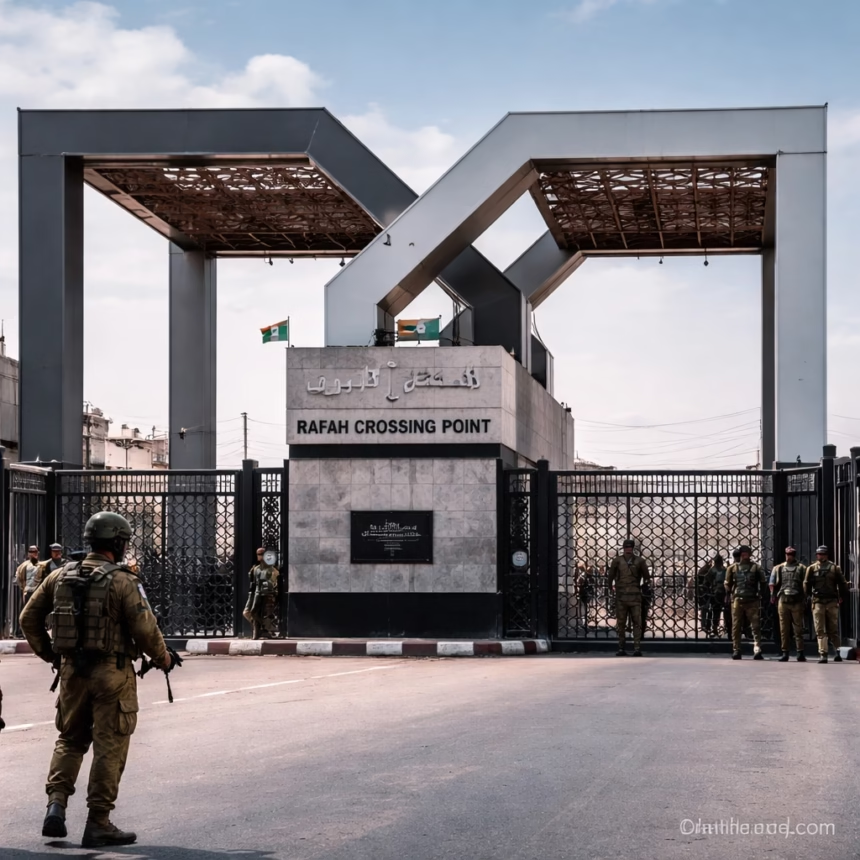
Hope on the Horizon? Rafah Crossing Set to Reopen After Hostage Remains Found
Israel's Prime Minister's office has announced a potential reopening of the Rafah crossing between Gaza and Egypt, contingent upon the recovery of the final remains of a hostage. The statement, released on May 15, 2024, offers a potential pathway for humanitarian aid and the eventual return of civilians, though significant hurdles remain.
Background: The Rafah Crossing and the Humanitarian Crisis
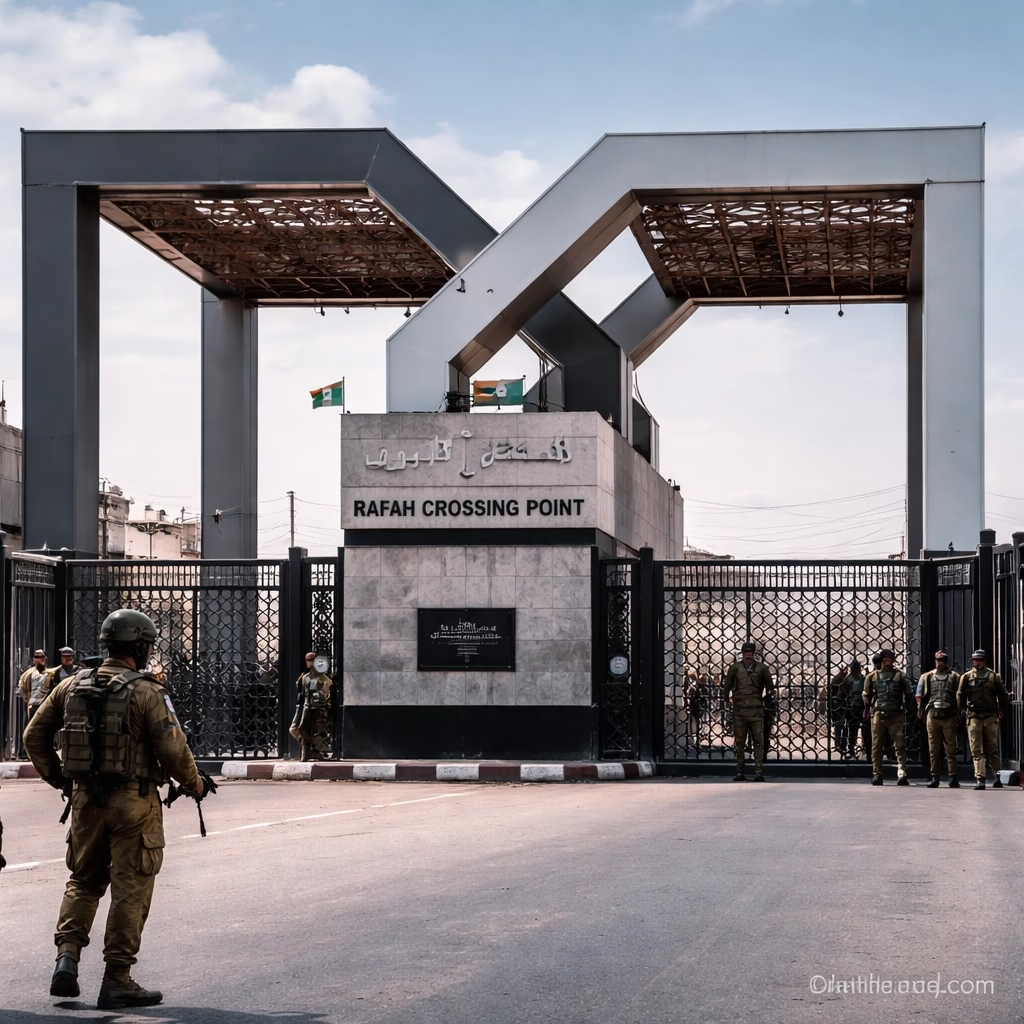
The Rafah crossing, located in the southern Gaza Strip, has been a critical lifeline for humanitarian aid since the outbreak of the conflict between Israel and Hamas on October 7, 2023. It's the only major point of entry for aid, medical supplies, and the evacuation of foreign nationals and some civilians from Gaza. The crossing has experienced intermittent closures and restrictions due to security concerns and the ongoing hostilities.
Since the conflict began, the international community has repeatedly called for the reopening of the Rafah crossing to alleviate the dire humanitarian situation in Gaza, where hundreds of thousands of Palestinians are facing shortages of food, water, medicine, and shelter. The United Nations and numerous aid organizations have expressed grave concerns about the escalating humanitarian crisis.
More Read

Key Developments: A Conditional Opening
The Israeli Prime Minister's Office's announcement follows the discovery of the remains of another Israeli hostage, Naftali Frankel, in Gaza on May 14, 2024. This development, a significant emotional milestone for the families of the hostages, appears to have created a window for potential progress on humanitarian concerns.
The statement from the Prime Minister's Office indicated that the reopening of the Rafah crossing would be contingent on the completion of the search for the remaining hostage remains. Details regarding the location of these remains and the timeframe for the search remain undisclosed. The announcement does not specify the duration of any potential reopening, nor does it detail the scope of aid that will be permitted to enter Gaza.
Egyptian officials have expressed cautious optimism regarding the announcement. They have consistently maintained their willingness to facilitate the reopening of the Rafah crossing, but have emphasized the need for a sustained ceasefire and a more durable resolution to the conflict.

Impact: Relief for Gazan Civilians and Hostage Families
The potential reopening of the Rafah crossing could have a profound impact on the lives of Gazan civilians. It would allow for the influx of essential supplies, including food, medicine, and fuel, which have been severely limited due to the ongoing blockade. This could significantly improve living conditions and mitigate the humanitarian crisis.
For the families of the hostages, the discovery of Naftali Frankel's remains offered a glimmer of hope, but the conditional reopening of the Rafah crossing could provide a further sense of progress. It may facilitate communication with those still held captive and potentially pave the way for future hostage releases, though this remains uncertain.
What Next: Challenges and Expectations
Completing the Hostage Search
The immediate priority is the completion of the search for the remaining hostage remains. Israeli authorities have not released details about the search operation, but it is expected to involve coordinated efforts between Israeli military and forensic teams.
Negotiations and Ceasefire
The reopening of the Rafah crossing is likely to be linked to ongoing negotiations between Israel and Hamas. A more durable ceasefire agreement is considered essential to ensure the safety of aid workers and to facilitate the sustained flow of humanitarian assistance.
International pressure on both sides to reach a ceasefire is intensifying. The United States, Egypt, Qatar, and other regional and international actors are actively engaged in diplomatic efforts to broker a lasting truce.
Scope of Aid
The scope of aid permitted through the Rafah crossing remains unclear. It is likely that initial aid deliveries will focus on the most urgent needs, such as food, water, and medical supplies. However, the long-term scale of aid will depend on the duration of any ceasefire and the overall political situation.
More Read

The United Nations has called for a significant increase in humanitarian aid to Gaza, emphasizing the urgent need for international support. However, logistical challenges and security concerns continue to hinder the delivery of aid.
The situation remains fluid and highly sensitive. The potential reopening of the Rafah crossing represents a crucial step towards alleviating the suffering in Gaza, but much work remains to be done to achieve a lasting resolution to the conflict and to ensure the safety and well-being of all those affected.