Europe Ditching Russian Fuel: A New Energy Era?
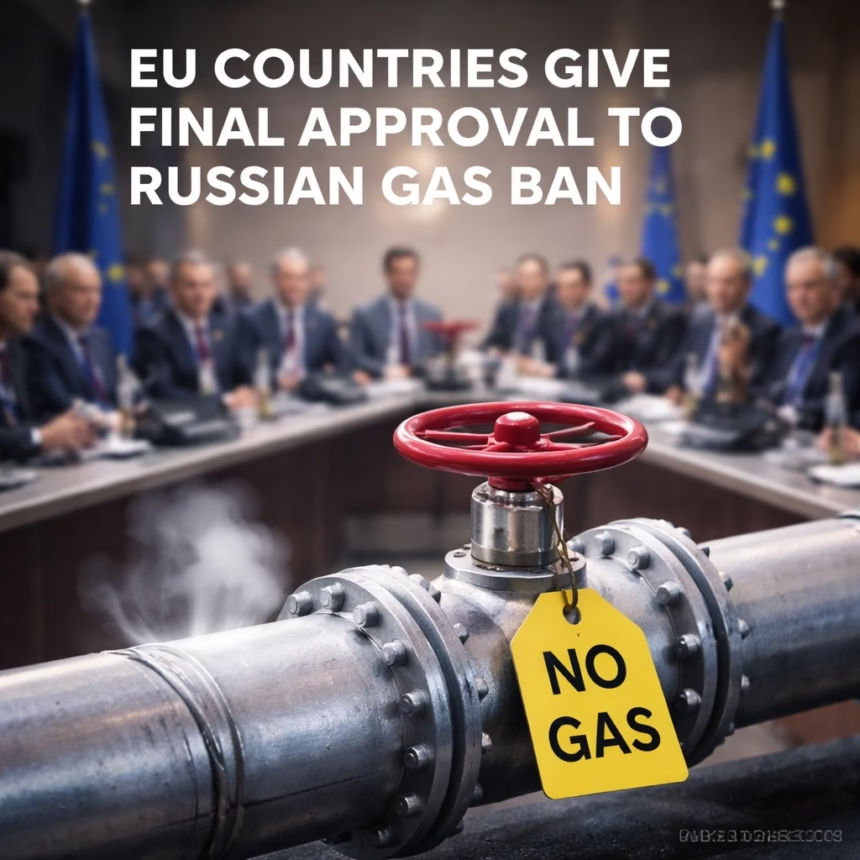
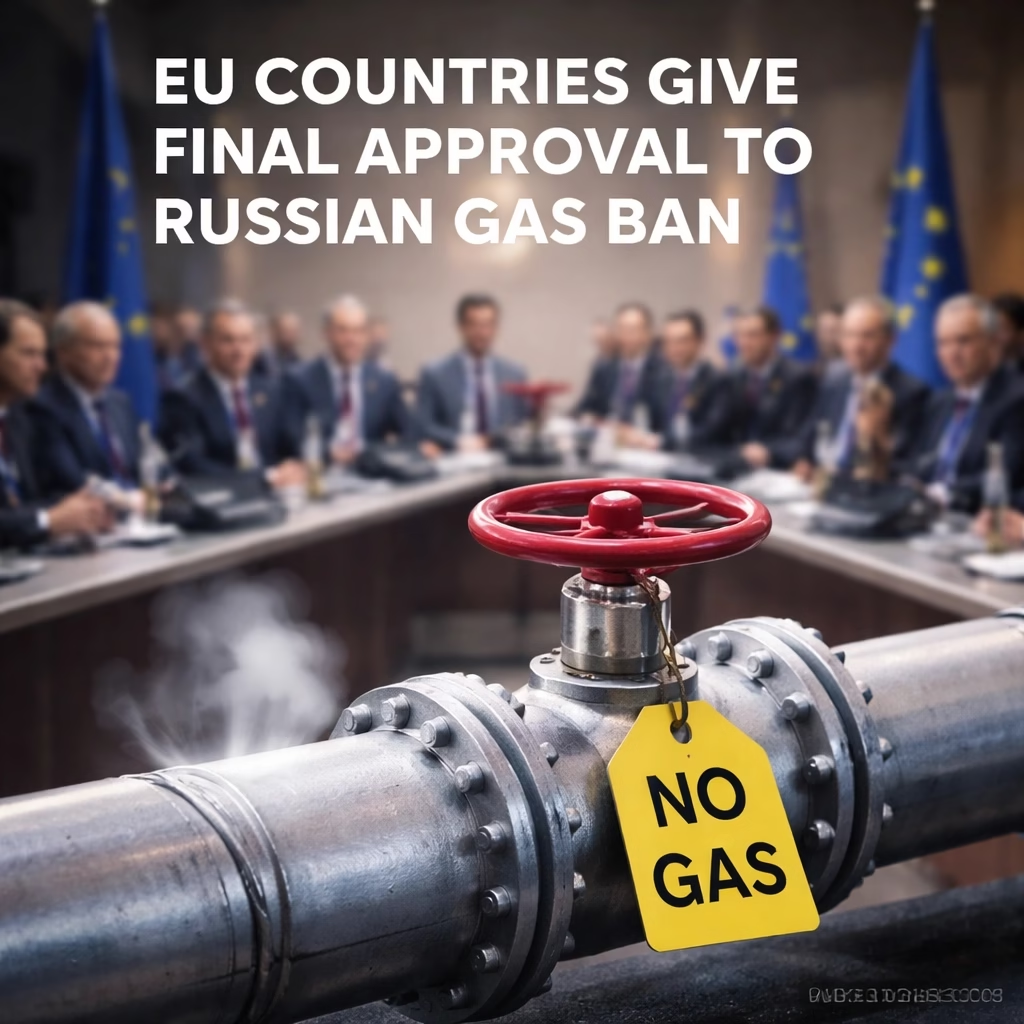
European Union countries have formally approved a ban on Russian gas imports, marking a significant shift in energy policy following Russia's invasion of Ukraine. The decision, finalized on August 21, 2022, aims to reduce Europe's dependence on Russian fossil fuels and exert economic pressure on Moscow.
Background
For decades, Russia has been a primary energy supplier to Europe, particularly for natural gas. Prior to the conflict in Ukraine, Russian gas accounted for roughly 40% of the EU's gas imports. This reliance created a complex geopolitical dynamic, with concerns about energy security intertwined with economic interests. The Nord Stream 1 pipeline, running under the Baltic Sea from Russia to Germany, was a key component of this infrastructure.
The invasion of Ukraine in February 2022 prompted a swift response from the EU, initially focusing on sanctions targeting the Russian economy. Energy was soon identified as a crucial area for targeted measures, aiming to cripple Russia's revenue streams and limit its ability to finance the war.
Key Developments
The EU's phased approach to cutting Russian gas imports began in April 2022 with a goal to reduce dependence by 40% by the end of the year. Several member states, including Germany, have already significantly reduced or halted imports. The final approval on August 21st solidified this commitment, activating a full ban on nearly all Russian gas imports by December 2022.

This final approval followed intense negotiations among EU member states, addressing concerns about energy supply security and potential price volatility. Technical adjustments to infrastructure, including increased LNG (liquefied natural gas) import capacity, were crucial to facilitating the transition away from Russian gas.
Impact
For European Consumers & Businesses
The ban is expected to have a significant impact on European consumers and businesses. While the EU has been working to diversify its energy sources, prices have already risen sharply since the start of the conflict. The ban could lead to continued price volatility and potentially higher energy bills, particularly during the winter months. Governments are implementing measures to mitigate these impacts, including financial support for vulnerable households and businesses.
On Russia
The move significantly impacts Russia’s energy revenues, a critical component of its economy. Gas exports have been a major source of foreign currency for Moscow. The ban is expected to strain the Russian economy and limit its ability to fund the war in Ukraine. Russia has responded by reducing gas flows to Europe, citing technical issues and blaming sanctions.
More Read

On Global Energy Markets
The EU’s decision has ripple effects across global energy markets. Increased demand for LNG from alternative suppliers, such as the United States and Qatar, is driving up global prices. This shift is accelerating the transition to alternative energy sources and prompting investments in renewable energy infrastructure.
What Next?
The immediate focus is on ensuring a stable energy supply throughout the winter months. EU member states are working to maximize the use of existing storage facilities and to secure additional LNG supplies. Further diversification of energy sources, including increased investment in renewable energy (solar, wind, hydrogen), is a long-term priority.
The EU is also exploring options for supporting Ukraine's energy infrastructure and helping to rebuild the country's energy sector. Long-term, the ban is expected to accelerate the transition to a more sustainable and secure energy system for Europe, reducing its reliance on fossil fuels and promoting the development of renewable energy technologies. The EU aims to achieve climate neutrality by 2050, and this ban is a key step in that direction.
LNG Infrastructure Expansion
Several EU countries, including Germany, are investing heavily in expanding their LNG import terminals. This includes building new terminals and increasing the capacity of existing ones. These investments are crucial for ensuring a reliable supply of gas from alternative sources.