UN Warns: Cervical Cancer Claims a Woman’s Life Every Two Minutes
UN Warns: Cervical Cancer Claims a Woman’s Life Every Two Minutes
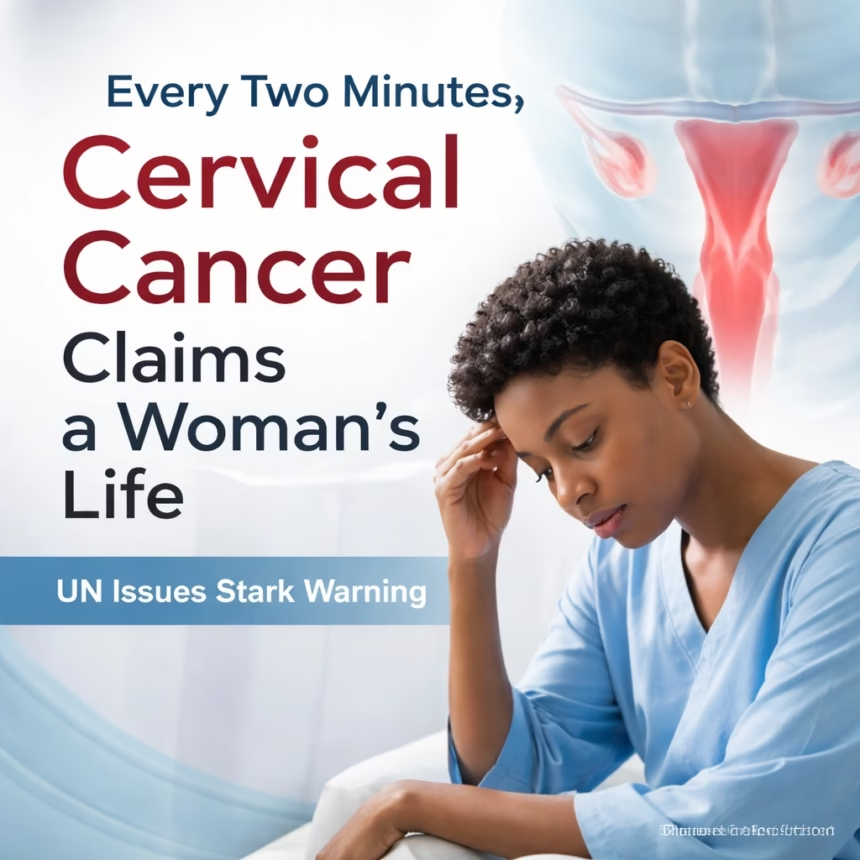
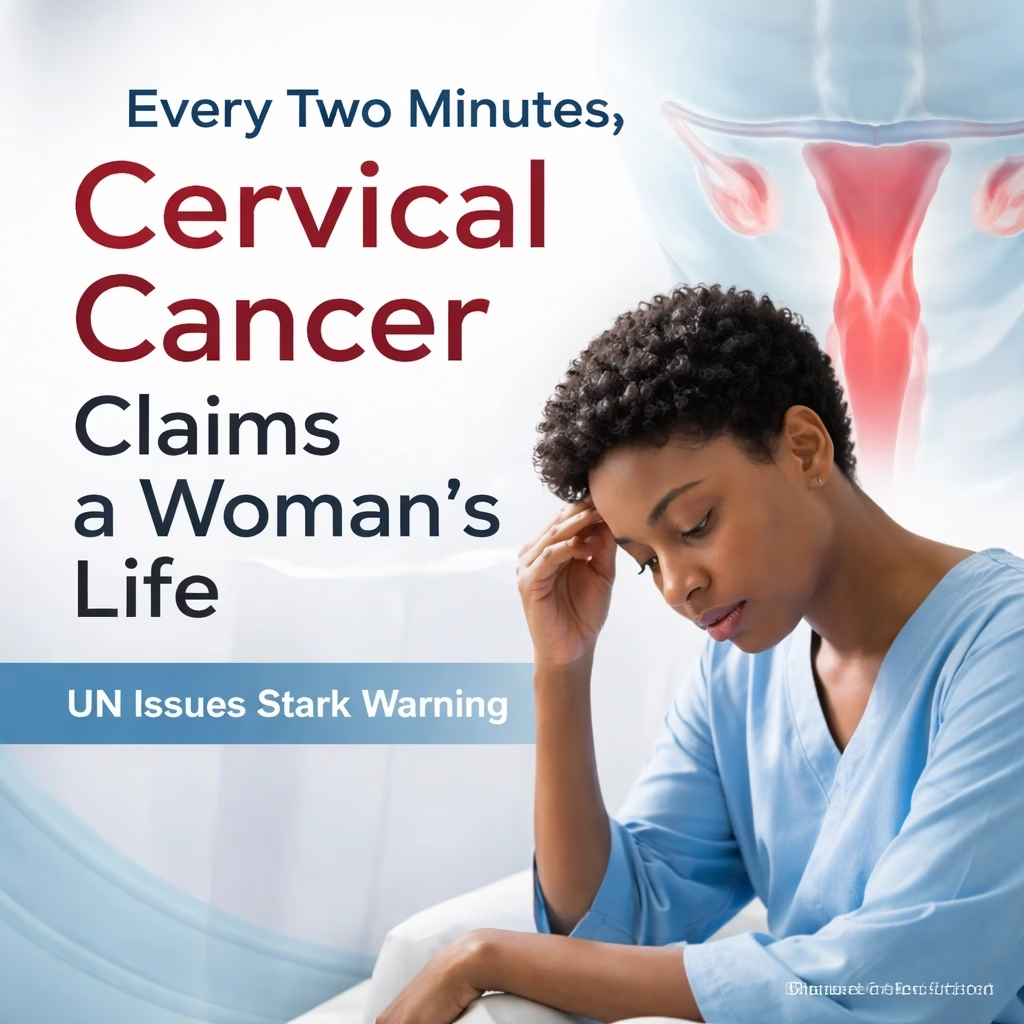
The United Nations (UN) has issued a stark warning that cervical cancer continues to claim a woman's life every two minutes, with low vaccination rates and inadequate screening programs exacerbating the crisis. The plea comes as global health officials push for accelerated efforts to combat the disease, which is largely preventable.
Cervical cancer remains a significant public health challenge, particularly in low- and middle-income countries where access to healthcare is limited.
Background
The incidence of cervical cancer has been declining in high-income countries due to widespread HPV vaccination and screening programs. However, in many parts of the world, vaccination rates remain alarmingly low, and screening programs are either non-existent or underfunded.
The Human Papillomavirus (HPV) is the primary cause of cervical cancer, with high-risk strains responsible for nearly all cases. Vaccines against HPV have been proven to be highly effective in preventing infection, yet uptake varies significantly across regions.

The World Health Organization (WHO) has set a target to eliminate cervical cancer as a public health problem by 2030, but progress has been uneven. The COVID-19 pandemic further disrupted vaccination and screening efforts, delaying critical interventions.
Key Developments
Recent data from the WHO indicates that cervical cancer is the fourth most common cancer among women globally, with an estimated 604,000 new cases and 342,000 deaths in 2020 alone. The disease disproportionately affects women in Africa, where the highest incidence and mortality rates are recorded.
In response to the crisis, international organizations and governments are stepping up efforts to improve vaccination rates. The WHO and UNICEF have launched initiatives to expand HPV vaccination programs, particularly in regions with the highest burden of the disease.
More Read

Additionally, advances in technology, such as self-sampling kits for HPV testing, are being deployed to reach women in remote areas who may not have access to traditional healthcare facilities. These innovations are crucial in bridging the gap in screening and early detection.
Impact
The burden of cervical cancer falls heavily on women in low-resource settings, where late diagnosis and lack of treatment options lead to higher mortality rates. Many women only seek medical help when the disease has progressed to an advanced stage, reducing their chances of survival.
Families and communities are also affected, as the loss of a mother or caregiver can have devastating social and economic consequences. Children may be left without parental care, and households may face financial hardship due to medical expenses and lost income.
Cultural and societal barriers, such as stigma around women’s health and limited awareness of the disease, further complicate efforts to address the crisis. Education and community engagement are essential to overcoming these challenges.
What Next
To achieve the WHO’s 2030 target, significant investments in vaccination, screening, and treatment are required. Governments, international donors, and private sector partners must collaborate to ensure equitable access to life-saving interventions.
Innovative financing mechanisms, such as the Global Alliance for Vaccines and Immunization (Gavi), are playing a key role in supporting low- and middle-income countries. Expanded funding and political commitment are critical to accelerating progress.

Public awareness campaigns must also be intensified to educate women and their families about the importance of vaccination and early detection. Empowering women to take control of their health is a vital step toward reducing the global burden of cervical cancer.