A recent decision to frost the prominent mirrored panels along the Bayfront MRT linkway has sparked significant dismay among Singapore's vibrant dance community. The once-gleaming surfaces, long cherished as an informal, free practice space, were obscured in late October 2023, prompting calls for reconsideration from affected artists who relied on the unique urban amenity.
Background: A Decade as Singapore’s Unofficial Dance Studio
The Bayfront MRT linkway, a subterranean passage connecting the station to Marina Bay Sands, the ArtScience Museum, and Gardens by the Bay, has been an architectural marvel since its completion in the early 2010s. Designed with expansive mirrored walls to enhance the sense of space and reflect natural light from above-ground skylights, it quickly evolved into an unexpected hub for various performing arts.
For nearly a decade, particularly since 2015, the linkway's reflective surfaces provided an ideal, sheltered environment for dancers. Its strategic location offered consistent overhead lighting, protection from the elements, and most crucially, a full-length mirrored wall — an essential tool for dancers to observe and correct their posture, technique, and choreography. Aspiring K-pop groups, street dancers, ballet students, and fitness enthusiasts alike found solace and utility in this public space, transforming it into a vibrant, unofficial dance studio accessible 24/7, free of charge.
The linkway became a familiar sight for commuters and tourists, often featuring individuals or small groups perfecting their routines, adding an organic, dynamic layer to the urban landscape. Its popularity grew through word-of-mouth and social media, establishing it as a rare, accessible resource in a city where dedicated practice spaces often come with a significant cost.
Key Developments: The Frosting Commences
The change began swiftly in the week of October 23, 2023. Workers were observed applying a translucent frosted film to the extensive mirrored panels on both sides of the approximately 150-meter stretch of the linkway. The transformation was completed within a few days, effectively eliminating the reflective quality that had drawn the dance community for years.

The Land Transport Authority (LTA), which oversees MRT infrastructure, confirmed the initiative. A spokesperson, Ms. Cheryl Lee, stated in a press release dated November 1, 2023, that the decision was made "following feedback regarding glare issues and to enhance the overall aesthetic coherence of the public thoroughfare." She added that the frosting was part of a "routine maintenance and aesthetic upgrade project" aimed at "improving the commuter experience and addressing privacy concerns for adjacent commercial units." Specific details on the nature of the "glare issues" or "privacy concerns" were not immediately elaborated upon.
The move was implemented without prior public consultation with the arts community, catching many regular users by surprise. Initial reactions ranged from confusion to profound disappointment, quickly escalating into widespread complaints across social media platforms.
Impact: A Community Displaced and Disheartened
The immediate impact of the frosted mirrors has been keenly felt by Singapore's diverse dance community. For many, the Bayfront linkway was more than just a convenient spot; it was a cornerstone of their practice and a symbol of accessible urban space.
More Read

Loss of Essential Practice Space
"This isn't just about losing a mirror; it's about losing a vital tool for self-improvement," explained Sarah Lim, a 22-year-old K-pop dancer who regularly practiced at Bayfront with her crew, 'Synergy.' "When you're learning choreography, especially intricate K-pop routines, you need to see yourself from head to toe. The mirror helps us correct our angles, synchronize, and ensure our formations are clean. Without it, we're essentially dancing blind."
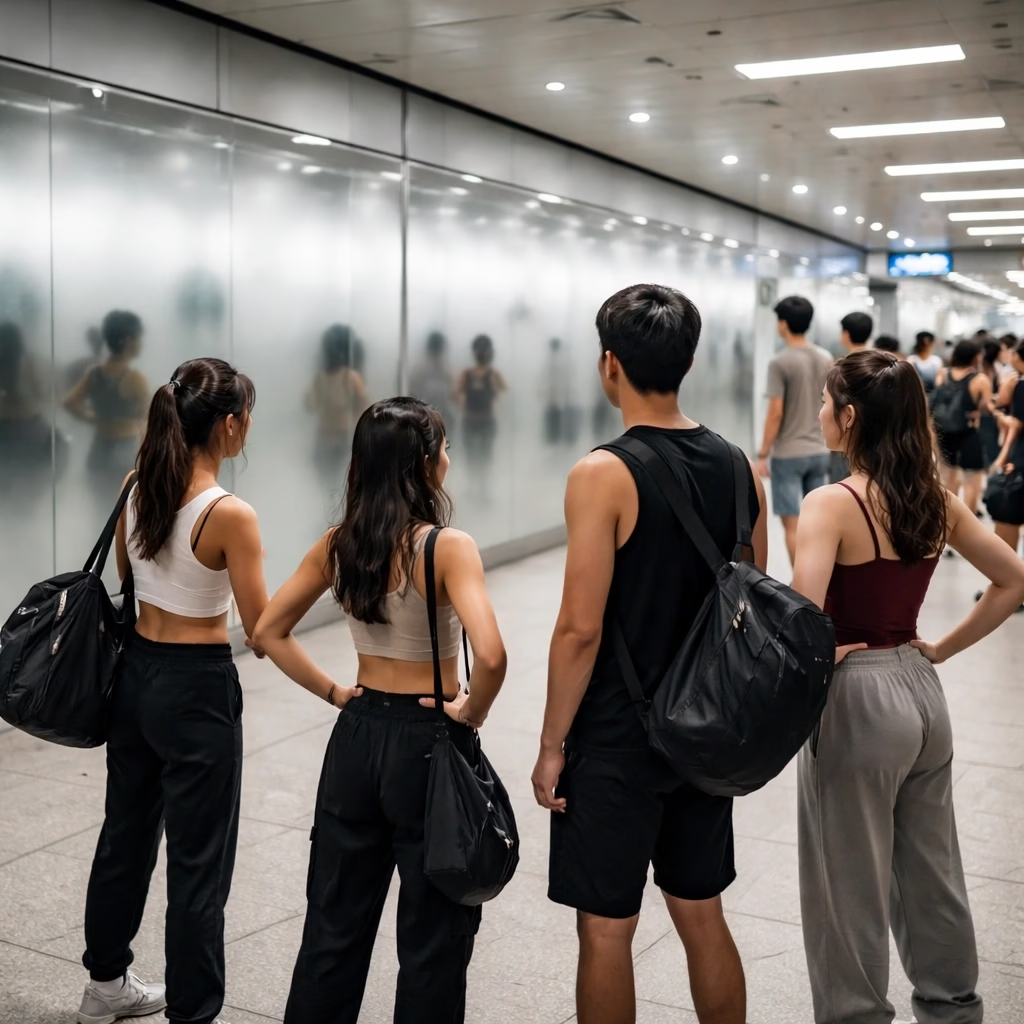
Mark Tan, a 30-year-old veteran street dancer specializing in popping, echoed this sentiment. "I've been coming here for almost eight years. It's perfectly lit, always clean, and free. Studio rentals are expensive, often S$20-S$50 an hour, which is a huge barrier for many aspiring dancers, especially students or those from lower-income backgrounds. Bayfront offered an equitable space for everyone."
The financial implications are significant. Singapore's dance scene, while vibrant, often struggles with high operating costs for dedicated studios. The Bayfront linkway provided a crucial alternative, fostering a culture of self-practice and informal collaboration that is now severely curtailed.
Disruption to Community and Spontaneity
Beyond individual practice, the linkway also served as an informal meeting point and a crucible for nascent dance groups. "We formed our crew right here," shared Chloe Wong, a 19-year-old contemporary dancer. "You'd see different styles, different age groups, and sometimes we'd even learn from each other. It was a very organic, spontaneous environment. That sense of community is now gone."
The spontaneity of practice is another casualty. Dancers could drop by anytime inspiration struck, or a free hour opened up. Now, planning requires booking and paying for studio time, adding layers of logistical and financial burden.

Broader Implications for Public Space
The incident has also ignited a broader discussion about the allocation and management of public spaces in Singapore. Critics argue that while urban planning prioritizes efficiency and aesthetics, it sometimes overlooks the organic ways citizens adapt and utilize these spaces for cultural expression and recreation. The frosting of the mirrors is seen by some as a move that prioritizes commercial or administrative concerns over community needs and artistic development.
What Next: Calls for Dialogue and Alternatives
The dance community has not remained silent. Petitions have been launched online, garnering thousands of signatures within days, urging the LTA and relevant authorities to reconsider the decision or provide suitable alternatives. Social media campaigns using hashtags like #SaveBayfrontMirrors and #DanceNeedsMirrors have gained traction, sharing personal stories and highlighting the importance of the space.
In response to the public outcry, Ms. Cheryl Lee from LTA reiterated that the authority "takes public feedback seriously" and is "exploring options for designated public recreational spaces that could accommodate similar activities within the Marina Bay precinct or other accessible locations." However, she did not indicate any immediate plans to reverse the frosting of the Bayfront mirrors, stating that the "operational decision remains in place for the foreseeable future."
Representatives from various dance organizations, including the National Arts Council (NAC), have also reportedly begun internal discussions with relevant agencies to understand the situation better and advocate for the needs of the dance community.
Potential solutions being discussed include identifying underutilized public areas that could be retrofitted with mirrored panels, or subsidizing rental costs for existing dance studios. However, finding a replacement that offers the same blend of accessibility, visibility, and cost-free access as the Bayfront linkway will be a significant challenge. Dancers remain hopeful that dialogue will lead to a positive outcome, allowing them to reclaim or find new, equally empowering spaces for their art. The frosted mirrors at Bayfront stand as a stark reminder of the delicate balance between urban development and the needs of a vibrant community.