Brain Health Breakthrough: Diabetes Drugs May Guard Against Stroke
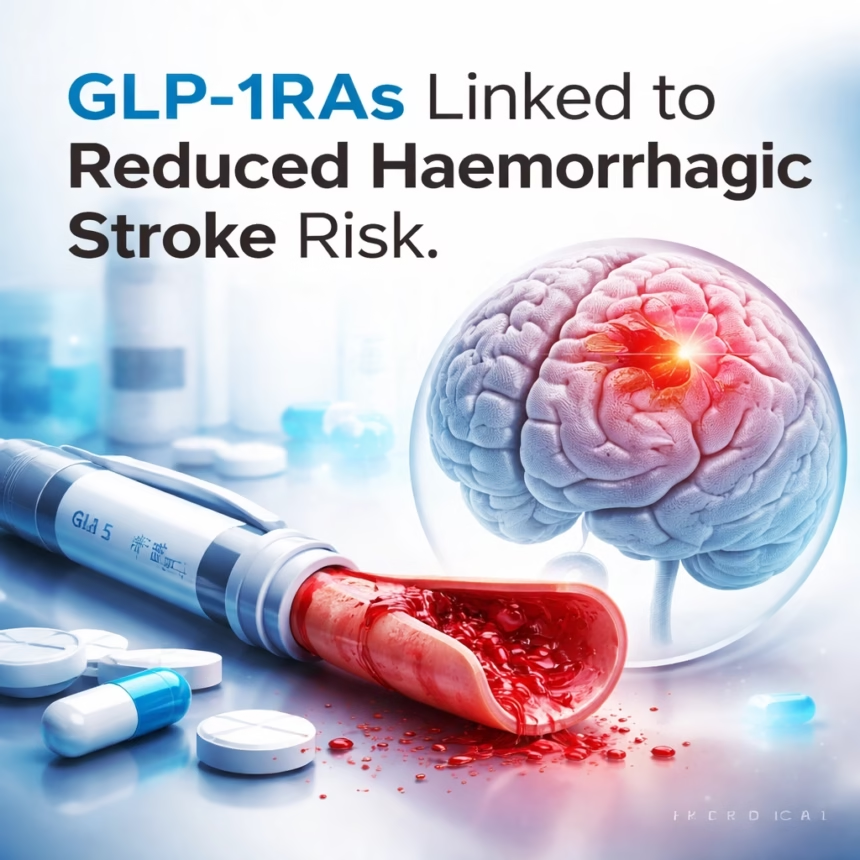
New research emerging from studies conducted globally suggests that glucagon-like peptide-1 receptor agonists (GLP-1RAs), commonly used to treat type 2 diabetes, may be associated with a reduced risk of hemorrhagic stroke. The findings, reported over the past few years, are sparking interest among medical professionals and patients alike.
Background
GLP-1RAs are a class of medications first approved in the early 2010s for managing blood sugar levels in individuals with type 2 diabetes. Initially, their primary function was to stimulate insulin release and suppress glucagon secretion. However, research quickly revealed additional benefits, including weight loss and cardiovascular protection. The first GLP-1RA, exenatide (Byetta), was approved by the US Food and Drug Administration (FDA) in 2012. Since then, several other GLP-1RAs have been developed and approved, including liraglutide (Victoza), semaglutide (Ozempic, Rybelsus), and dulaglutide (Trulicity).
Hemorrhagic stroke, which occurs when a blood vessel in the brain ruptures, is a serious medical event. It accounts for approximately 10-15% of all strokes and is often associated with higher mortality rates than ischemic stroke. Risk factors for hemorrhagic stroke include high blood pressure, uncontrolled diabetes, and age.
Key Developments
The association between GLP-1RAs and reduced stroke risk began to surface in observational studies published starting around 2019. These studies analyzed large patient databases, comparing outcomes in individuals taking GLP-1RAs with those not taking them. A significant finding was a consistent trend of lower incidence of hemorrhagic stroke among GLP-1RA users, even after adjusting for other risk factors.

A large retrospective analysis published in *The Lancet Digital Health* in 2023, involving over 600,000 patients, provided further evidence. The study showed that patients taking GLP-1RAs had a 26% lower risk of hemorrhagic stroke compared to patients not on the medication. The reduction was observed across various subgroups, including those with pre-existing cardiovascular disease. Similar findings have been reported in studies conducted in the UK, Germany, and Japan.
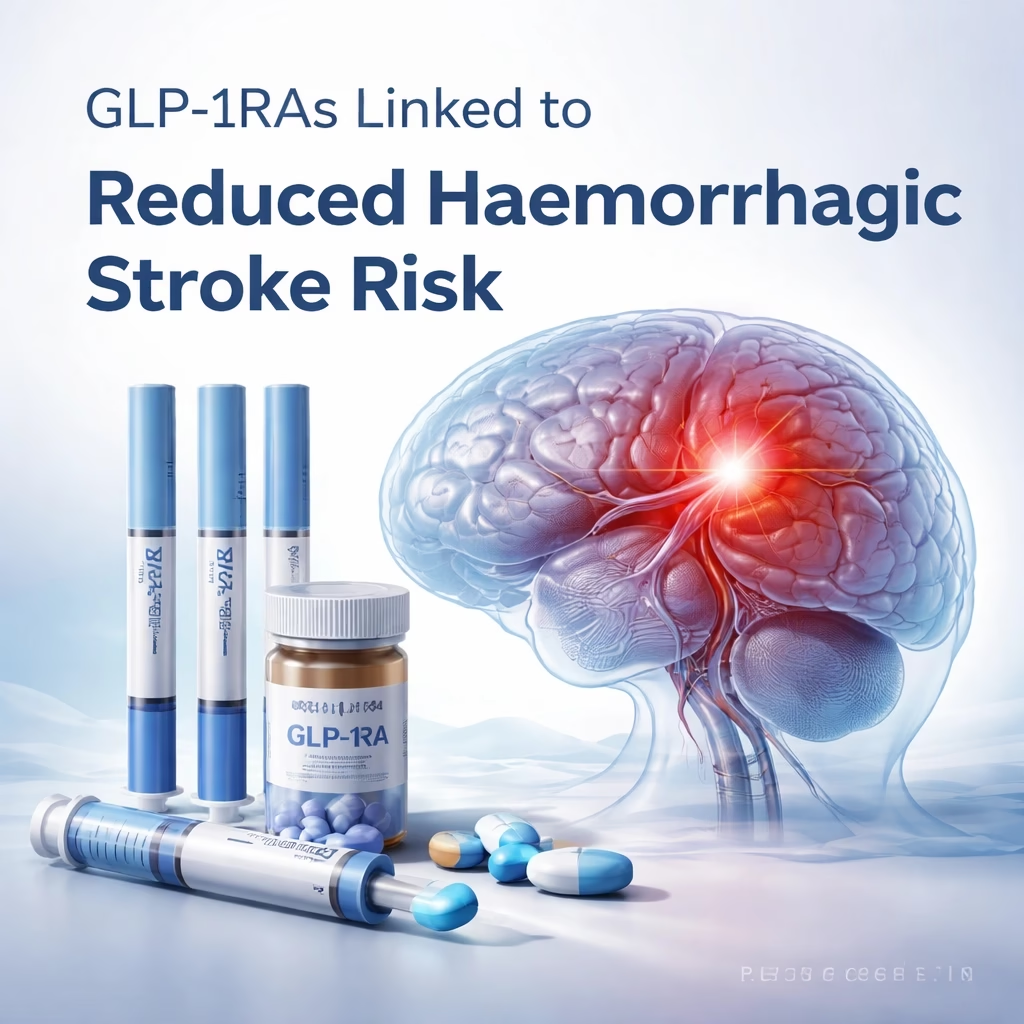
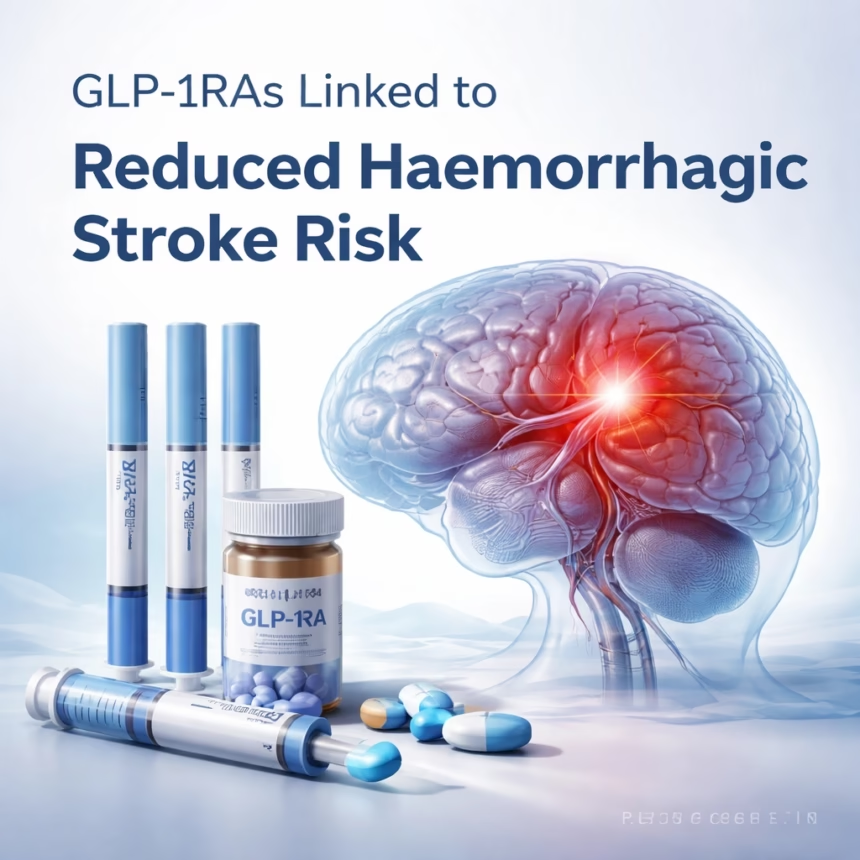
Researchers hypothesize that the protective effect of GLP-1RAs might be linked to multiple mechanisms. These include improvements in blood pressure control, reduced inflammation, and enhanced endothelial function (the inner lining of blood vessels).
More Read

Impact
The potential impact of these findings is substantial. Millions of people worldwide are diagnosed with type 2 diabetes, and a significant proportion are prescribed GLP-1RAs. This research suggests that these medications may offer an additional benefit beyond blood sugar management – protection against a devastating neurological event.
For individuals with type 2 diabetes, this could mean a reduced risk of stroke and improved long-term health outcomes. However, it’s crucial to remember that GLP-1RAs are not a preventative medicine, and their use should always be determined in consultation with a healthcare provider. The benefits and risks must be carefully weighed for each individual.
What Next
While the observational studies are promising, further research is needed to confirm a causal relationship between GLP-1RA use and reduced stroke risk. Randomized controlled trials (RCTs) are considered the gold standard for establishing causality. Several large-scale RCTs are currently underway or planned to investigate this association in more detail.
Ongoing and Planned Clinical Trials
The "GLP-1 and Stroke Prevention" trial, initiated in several centers across Europe and North America in 2024, aims to specifically assess the impact of liraglutide on stroke incidence in patients with diabetes. Another trial, scheduled to begin in 2025, will evaluate the effects of semaglutide on stroke risk in patients with both diabetes and cardiovascular disease.
Researchers are also exploring the potential for personalized medicine approaches, identifying subgroups of patients who may benefit most from GLP-1RA therapy for stroke prevention. These future studies will provide more definitive answers and potentially lead to new clinical guidelines.