Invisible Threat: Global Plastic Surge Forecast to Unleash Unprecedented Health Catastrophe
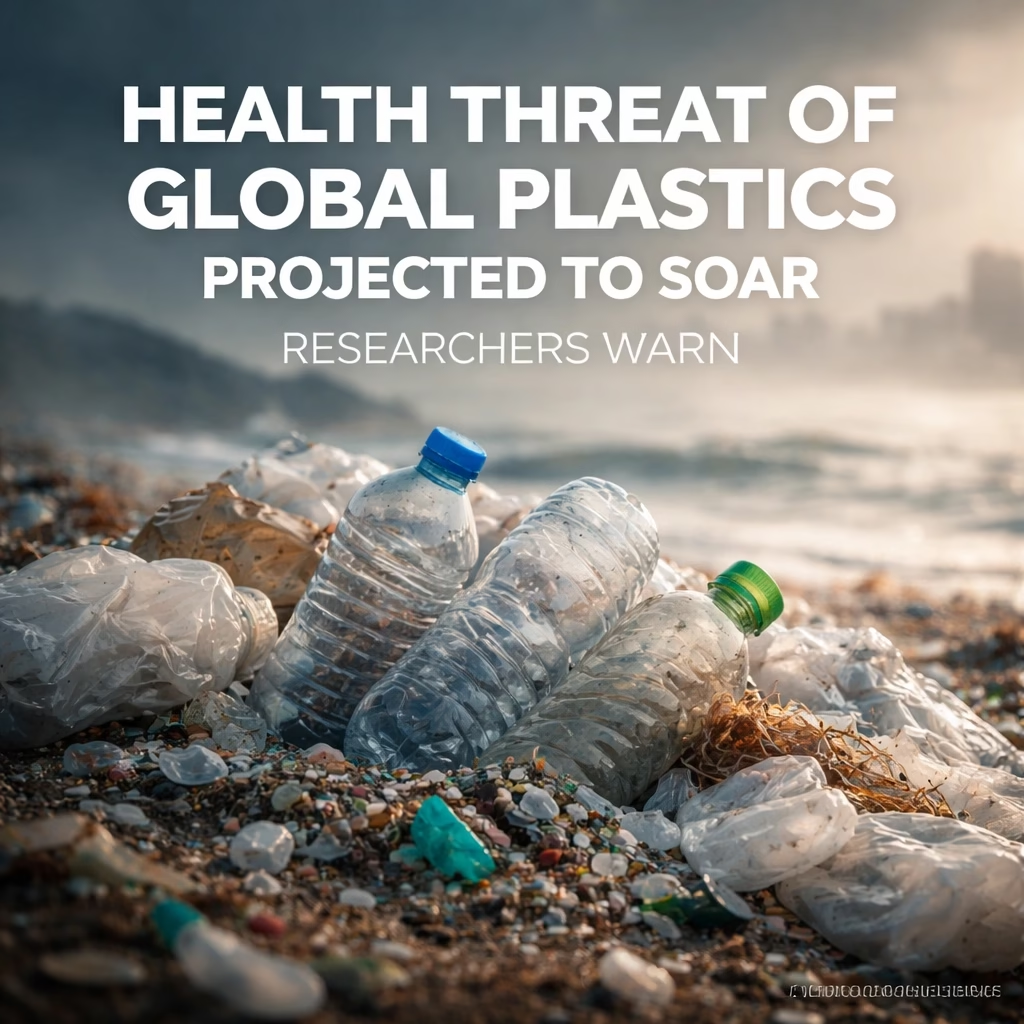
A new wave of scientific projections warns that the escalating global production and accumulation of plastic waste pose an unprecedented and rapidly accelerating threat to human health worldwide. Researchers indicate that without immediate and drastic interventions, the health implications linked to plastic pollution are set to soar dramatically in the coming decades, impacting every aspect of human life from cellular function to organ systems.
Background: A Pervasive and Growing Problem
For decades, public awareness of plastic pollution centered on its visible environmental impact: vast ocean gyres, overflowing landfills, and harm to wildlife. However, scientific understanding has evolved, shifting focus to the proliferation of microplastics and nanoplastics. These microscopic fragments, along with myriad chemical additives, are now recognized as a direct pathway to human exposure.
The history of plastic production is one of exponential growth. Commercial production began in earnest in the 1950s, with global output reaching approximately 2 million tons annually by 1950. By 2019, this figure had surged to over 460 million tons per year, a twenty-fold increase since 1970. Projections from organizations like the Organisation for Economic Co-operation and Development (OECD) indicate that global plastic production could nearly triple again by 2060, reaching 1.2 billion tons annually. This relentless increase far outpaces current waste management capabilities, leading to an ever-growing environmental burden and an escalating presence in human environments.
Early research confirmed microplastics in various ecosystems, from the deepest oceans to the highest mountains. More recently, studies have detected microplastics in human blood, lungs, placenta, and even breast milk, underscoring the pervasive nature of this contamination. Beyond the physical particles, plastics contain a complex cocktail of chemicals, including phthalates, bisphenols (like BPA), and per- and polyfluoroalkyl substances (PFAS). Many of these are known endocrine disruptors, carcinogens, and neurotoxins, capable of interfering with hormonal systems, impacting development, and increasing disease risk.
More Read

Key Developments: Unveiling Direct Health Links
Recent comprehensive analyses and reports, including those from the United Nations Environment Programme (UNEP) and the World Health Organization (WHO), have moved beyond merely identifying plastic presence to directly linking plastic exposure with a spectrum of adverse health outcomes. These studies project a sharp rise in plastic-related illnesses as production and environmental accumulation continue their upward trajectory.
Researchers now highlight specific disease pathways. Inhaled microplastics have been associated with respiratory issues, including inflammation, asthma, and potentially lung cancer. Ingested microplastics and their leached chemicals are implicated in gastrointestinal disruption, metabolic disorders, and liver damage. Endocrine-disrupting chemicals (EDCs) like phthalates and BPA are linked to reproductive problems, developmental delays in children, obesity, and increased risks of certain cancers, including breast and prostate cancer. Nanoplastics, due to their extremely small size, are of particular concern as they can potentially cross cell membranes and the blood-brain barrier, leading to neurological impacts that are still being investigated.
A significant development is the growing consensus that the health threat is not a distant future problem but an immediate and escalating crisis. The cumulative exposure to plastics throughout the human lifecycle, from prenatal development through old age, is a critical factor. The long-term effects of chronic, low-level exposure to these myriad compounds are only beginning to be understood, but early findings are alarming, suggesting widespread systemic impacts.

Vulnerable Populations at Higher Risk
While the entire global population is exposed, certain groups face disproportionately higher risks. Children, with their developing organs and higher metabolic rates, are particularly vulnerable to the disruptive effects of plastic chemicals. Pregnant women are also at elevated risk, as chemicals can cross the placental barrier, affecting fetal development. Workers in plastic manufacturing, recycling facilities, and waste management sectors face occupational hazards from direct inhalation and dermal contact with high concentrations of plastic particles and chemicals.
Communities in low- and middle-income countries, often burdened with inadequate waste management infrastructure and serving as dumping grounds for plastic waste from wealthier nations, experience amplified exposure. These regions frequently lack the resources to mitigate the health impacts, exacerbating existing health disparities.
Impact: A Global Health Burden
The projected surge in plastic production translates directly into a substantial global health burden, affecting healthcare systems, economies, and overall human well-being. The rise in chronic diseases linked to plastic exposure will strain healthcare resources, particularly in regions already struggling with limited medical infrastructure. The economic costs associated with treating these illnesses, alongside productivity losses due to related health issues, are expected to be immense, potentially running into trillions of dollars annually.
Beyond direct illness, the pervasive presence of plastics impacts food security and safety. Microplastics have been found in seafood, salt, bottled water, and even tap water, meaning everyday consumption habits contribute to exposure. Agricultural soils are also increasingly contaminated, raising concerns about plastics entering the terrestrial food chain through crops. This widespread contamination threatens the integrity of the global food supply, making it difficult for individuals to avoid exposure.
Air quality is another significant concern. Microplastics are now confirmed as airborne pollutants, traveling long distances and settling in remote areas. Inhalation of these particles, especially in urban environments or near industrial zones, contributes to respiratory ailments and adds to the overall chemical burden on the human body. This multifaceted impact underscores that plastic pollution is not merely an environmental issue but a fundamental challenge to global public health.
What Next: Urgent Calls for Global Action
In response to these dire projections, international bodies, governments, and scientific communities are intensifying calls for urgent and coordinated global action. A pivotal development is the ongoing negotiation of a legally binding United Nations Plastic Treaty, aimed at addressing the full lifecycle of plastics, from production to disposal. Member states are working towards an ambitious agreement by 2024, which could include provisions for reducing plastic production, banning problematic plastics, improving waste management, and fostering a circular economy.
More Read

Industry innovation is also gaining momentum, with increasing investments in sustainable alternatives, biodegradable materials, and advanced recycling technologies. However, experts caution that these solutions alone may not be sufficient to counteract the projected growth in plastic production and pollution. A fundamental shift away from single-use plastics and a reduction in overall plastic consumption are deemed essential.
Governments worldwide are exploring national policies to curb plastic use, including bans on specific items, extended producer responsibility schemes, and incentives for sustainable practices. Public awareness campaigns are crucial to educate consumers about the health risks and empower them to make informed choices, promoting reduction, reuse, and proper recycling where possible.
Further scientific research remains critical to fully understand the long-term health implications of micro- and nanoplastics, particularly through comprehensive epidemiological studies. This research will inform policy decisions and guide effective interventions. The consensus among researchers is clear: without rapid, systemic transformation in how plastics are produced, used, and managed, humanity faces a profound and escalating health crisis that will define generations to come.