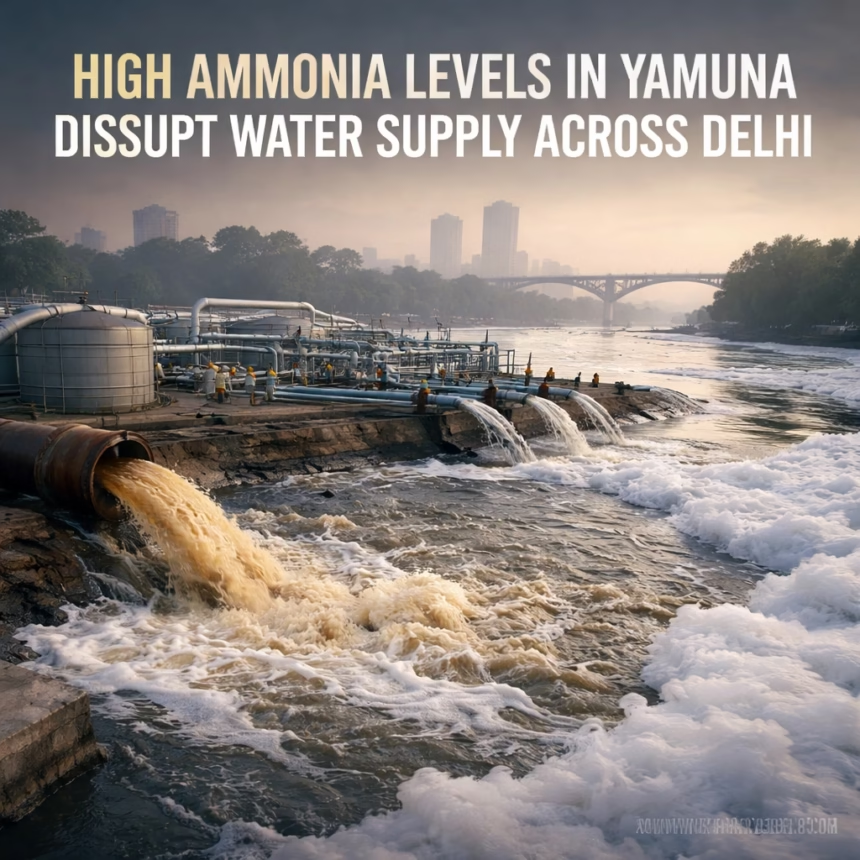
Delhi's Water Crisis Deepens: Toxic Threat in River Yamuna
Delhi is facing escalating concerns over its water supply after unusually high levels of ammonia were detected in the Yamuna River. The contamination, reported in early May 2024, is prompting fears of widespread disruption and health risks for millions of residents.
Background: A River in Distress
The Yamuna River, a major water source for Delhi and surrounding areas, has been grappling with pollution issues for decades. Industrial effluents, sewage discharge, and agricultural runoff have contributed to its deteriorating water quality. Efforts to rejuvenate the river, including the Yamuna Action Plan initiated in 1999, have yielded limited success. The river's flow has also been impacted by dam construction upstream, exacerbating the concentration of pollutants.
Ammonia contamination is not new to the Yamuna, but the recent surge to concerning levels represents a significant escalation. Previous instances of elevated ammonia have occurred, often linked to seasonal changes and increased sewage flow. However, the current levels pose a more immediate threat to the city's water infrastructure.
Key Developments: Ammonia Spike and Response
Reports of elevated ammonia levels in the Yamuna began surfacing in early May 2024. The Central Pollution Control Board (CPCB) has confirmed monitoring of the river’s water quality and has flagged the ammonia levels as “critically high” in several stretches passing through Delhi. Specifically, monitoring stations near Wazirpur and Janakpuri have reported the most severe contamination.

The Delhi Jal Board (DJB) has initiated emergency measures, including increasing the frequency of water testing and exploring alternative water sources. The DJB has also issued advisories urging residents to conserve water and to be mindful of any unusual taste or odor in their tap water. Authorities are investigating the source of the ammonia spike, suspecting a combination of factors including increased sewage discharge and industrial waste.
The Enforcement Directorate (ED) is also reportedly investigating potential industrial violations that could be contributing to the pollution. Focus is being directed toward industries located along the Yamuna, particularly those involved in chemical manufacturing and tanneries.
Impact: Millions at Risk
The high ammonia levels directly impact the water supply for over 20 million people in Delhi, relying on the Yamuna for a significant portion of their daily water needs. The contamination can lead to unpleasant tastes and odors, potentially discouraging water consumption. More concerningly, prolonged exposure to high ammonia levels can pose health risks, including respiratory problems, skin irritation, and gastrointestinal issues.
More Read

Businesses, particularly those in the hospitality and food service sectors, are also vulnerable. The compromised water quality can affect food preparation and sanitation, leading to potential disruptions and economic losses. The agricultural sector, which relies on canal water sourced from the Yamuna, is also facing challenges, with concerns about irrigation quality and crop yields.
What Next: Remediation and Long-Term Solutions
The immediate priority is to reduce ammonia levels in the Yamuna and ensure a safe water supply for Delhi residents. The DJB is exploring various remediation techniques, including the use of chemical treatments and biological processes to neutralize the ammonia. However, these measures are expected to take time to yield significant results.
Short-Term Measures
The DJB is focusing on optimizing the treatment processes at its water treatment plants to effectively remove ammonia. This includes adjusting chemical dosages and improving aeration techniques. They are also considering temporary reliance on alternative water sources like groundwater and treated wastewater, subject to regulatory approvals.
Long-Term Strategies
Addressing the chronic pollution of the Yamuna requires a multi-pronged approach. This involves stricter enforcement of environmental regulations, improved sewage treatment infrastructure, and industrial accountability. The government is exploring the possibility of constructing new wastewater treatment plants along the Yamuna basin. Furthermore, coordinated efforts with Uttar Pradesh, the river’s upper riparian state, are crucial for effective water management and pollution control.
The long-term rejuvenation of the Yamuna River is a complex and challenging undertaking. It requires sustained political will, financial investment, and public participation. The current crisis serves as a stark reminder of the urgent need for comprehensive and sustainable solutions to protect this vital water resource.