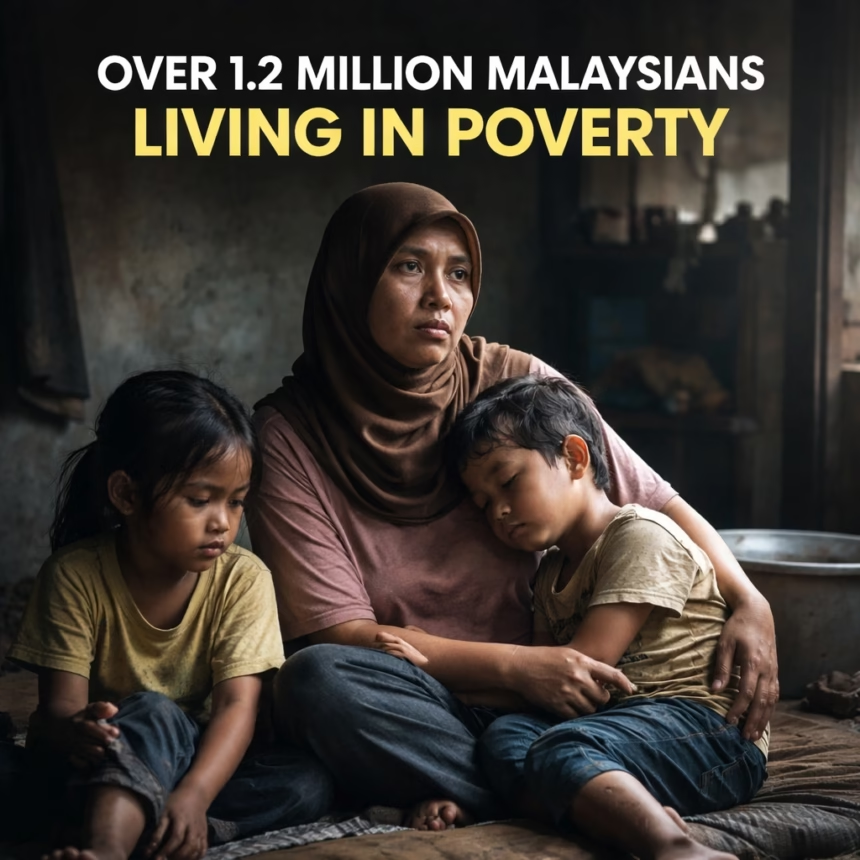
Shocking Numbers: Millions Struggle to Make Ends Meet in Malaysia
A recent Household Income Survey released by the Department of Statistics Malaysia reveals a concerning trend: over 1.2 million Malaysians are living below the poverty line. The survey, covering the period of 2022, paints a stark picture of economic hardship for a significant portion of the population, highlighting vulnerabilities across various demographics in the country.
Background: A History of Economic Challenges
Poverty rates in Malaysia have fluctuated over the past few decades, influenced by economic growth, global events, and government policies. The Department of Statistics Malaysia has been conducting household income surveys regularly, providing crucial data on income distribution and poverty levels. Previous surveys, conducted in 2019 and 2020, indicated a relatively stable poverty rate, but recent economic headwinds have contributed to a noticeable increase. Factors contributing to this include the lingering effects of the COVID-19 pandemic, rising inflation, and global economic uncertainties.
Key Developments: A Concerning Upward Trend
The 2022 Household Income Survey reveals a significant increase in the number of individuals classified as living in poverty. The poverty line, defined as the minimum income required to meet basic needs, was set at RM2,400 per month for 2022. Data indicates that approximately 11.5% of the Malaysian population falls below this threshold, representing over 1.2 million people. This is a notable rise from the 9.8% recorded in 2019. Furthermore, the survey shows a widening income gap between the richest and poorest segments of society, exacerbating the challenges faced by vulnerable households.
Regional Disparities
The poverty rate isn’t uniform across Malaysia. Certain regions, particularly in rural areas like Sabah and Sarawak, consistently exhibit higher poverty rates compared to urban centers such as Kuala Lumpur and Penang. This disparity often stems from limited access to employment opportunities, infrastructure, and essential services in these areas.
More Read

Impact of Inflation
Rising inflation, particularly in food prices, has significantly impacted low-income households. The cost of essential goods, including rice, cooking oil, and basic foodstuffs, has increased substantially, making it increasingly difficult for families to afford basic necessities. The government’s recent price stabilization measures have provided some relief, but the impact remains limited for many struggling families.

Impact: Who is Most Affected?
The rising poverty rate disproportionately affects vulnerable groups within Malaysian society. These include single-parent families, the elderly, people with disabilities, and those employed in the informal sector. Many of these individuals face barriers to employment, limited access to social safety nets, and inadequate healthcare. The increase in poverty also impacts children, affecting their access to education, nutrition, and overall well-being, potentially perpetuating a cycle of poverty.

Specific Vulnerable Groups
A significant portion of the impoverished population consists of migrant workers, many of whom face precarious employment conditions and limited legal protections. These workers are often particularly vulnerable to exploitation and are less likely to have access to social welfare programs.
What Next: Government Initiatives and Future Outlook
The Malaysian government has several initiatives aimed at poverty reduction, including income support programs, skills training initiatives, and affordable housing schemes. The National Poverty Eradication Strategy 2019-2022 is currently underway, with ongoing efforts to strengthen social safety nets and promote inclusive economic growth. However, the effectiveness of these programs in addressing the current rise in poverty remains to be seen.
The government is expected to announce further measures in the upcoming budget, slated for presentation in October 2023, to address rising cost of living and provide targeted assistance to vulnerable households. Experts are calling for a more comprehensive approach that includes addressing systemic issues such as income inequality, access to education, and healthcare.
Future Challenges
Looking ahead, Malaysia faces significant challenges in tackling poverty. Global economic uncertainties, climate change, and technological advancements will continue to reshape the labor market, potentially exacerbating existing inequalities. Effective poverty reduction will require sustained investment in human capital, inclusive economic policies, and robust social safety nets.