Reclaim Your Life: Powerful Strategies for Stroke Recovery After 50
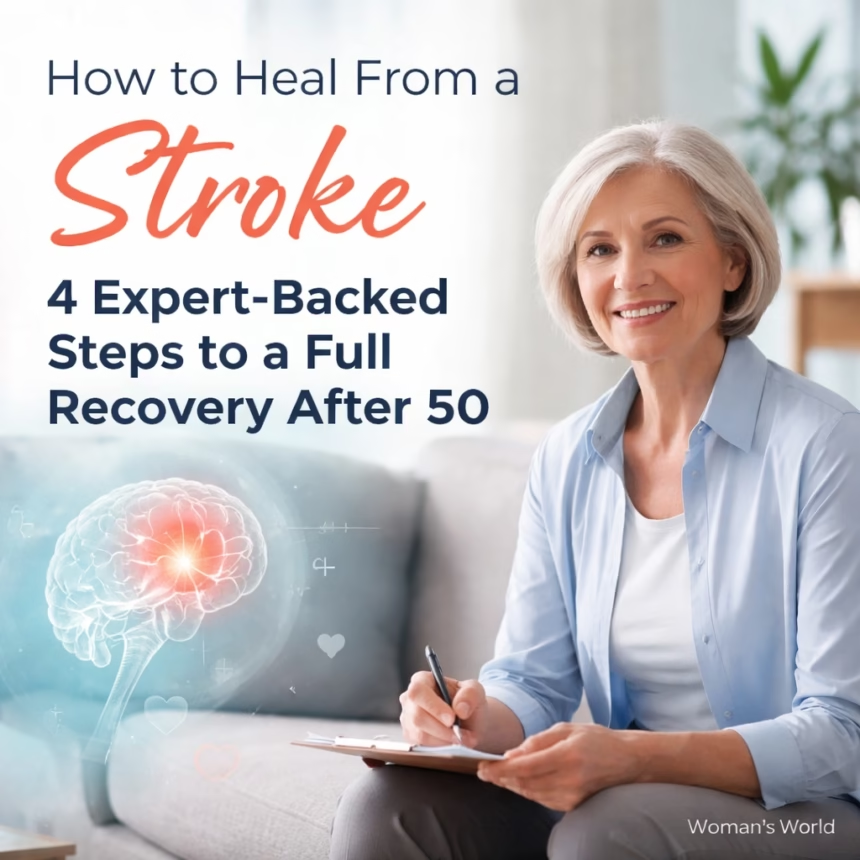
A stroke can dramatically alter life, especially for those over 50. Recent advancements in rehabilitation and a growing understanding of the brain's plasticity offer renewed hope for full recovery. This article explores proven strategies, backed by medical professionals, to help individuals regain function and improve their quality of life after a stroke.
Understanding the Stroke: A Timeline of Recovery
A stroke occurs when blood flow to the brain is interrupted, either by a blockage (ischemic stroke) or a burst blood vessel (hemorrhagic stroke). The effects are immediate, often resulting in weakness, speech difficulties, or cognitive impairments. Initial medical attention, ideally within the "golden hour" (first hour of symptoms), is crucial for minimizing brain damage. Recovery is a long-term process, varying significantly based on the stroke's severity, location in the brain, and individual health.
The first few weeks involve acute rehabilitation, focusing on preventing complications like pneumonia and blood clots. Physical, occupational, and speech therapies begin as soon as the patient is stable. Subsequent months and years involve ongoing therapy, addressing residual deficits and maximizing functional independence. Many individuals experience significant improvement within the first year, but continued effort is necessary for long-term gains.

More Read

What’s New in Stroke Rehabilitation?
Significant progress has been made in stroke rehabilitation techniques over the past five years. One notable advancement is the increased use of robotics and virtual reality (VR) therapies. These technologies provide repetitive, targeted exercises, enhancing motor skills and cognitive function. Studies conducted at the Mayo Clinic in Rochester, Minnesota, have shown that VR-based stroke rehabilitation can lead to faster and more significant improvements in upper limb function compared to traditional methods.
Another key development is the focus on neuroplasticity – the brain's ability to reorganize itself by forming new neural connections. Therapists now incorporate strategies that actively stimulate neuroplasticity, such as constraint-induced movement therapy (CIMT), which limits the use of the unaffected limb to force the use of the affected limb. Furthermore, personalized rehabilitation programs, tailored to individual needs and goals, are becoming increasingly common, optimizing treatment outcomes. Researchers at the University of California, San Francisco (UCSF) are actively investigating brain-computer interfaces to assist with motor control in stroke survivors.
The Ripple Effect: Who is Impacted?
Stroke affects millions globally, with the United States experiencing approximately 700,000 strokes each year, according to the Centers for Disease Control and Prevention (CDC). The impact extends beyond the individual; families and caregivers often experience significant emotional, financial, and physical strain. Post-stroke, individuals may face challenges with activities of daily living, such as dressing, bathing, and eating, impacting their independence and social participation.
More Read

The financial burden of stroke is substantial, encompassing medical expenses, rehabilitation costs, and potential lost income. Moreover, stroke can contribute to depression, anxiety, and social isolation, further impacting overall well-being. Support groups and community resources play a vital role in providing emotional support and practical assistance to stroke survivors and their families. Organizations like the American Stroke Association (ASA) offer valuable resources and information.
Looking Ahead: Expected Recovery Milestones
Recovery from stroke is a highly individual journey, but certain milestones are commonly expected. Within the first three months, individuals often regain basic motor skills and improve communication. Within six months, significant progress can be made in functional independence, allowing them to perform many everyday tasks. Beyond six months, continued therapy and adaptive strategies can help maximize long-term functional gains.
Key Recovery Goals
Motor Function: Improving strength, coordination, and range of motion in affected limbs.
Communication: Enhancing speech, language comprehension, and reading skills.
Cognitive Function: Improving memory, attention, problem-solving, and executive function.
Emotional Well-being: Addressing depression, anxiety, and adapting to changes in self-image.
Regular follow-up appointments with a neurologist, physical therapist, occupational therapist, and speech therapist are essential for monitoring progress and adjusting the rehabilitation plan. Maintaining a healthy lifestyle, including a balanced diet, regular exercise (as approved by a physician), and stress management techniques, also plays a crucial role in supporting recovery and preventing future strokes. The key is consistent effort, patience, and a proactive approach to rehabilitation.