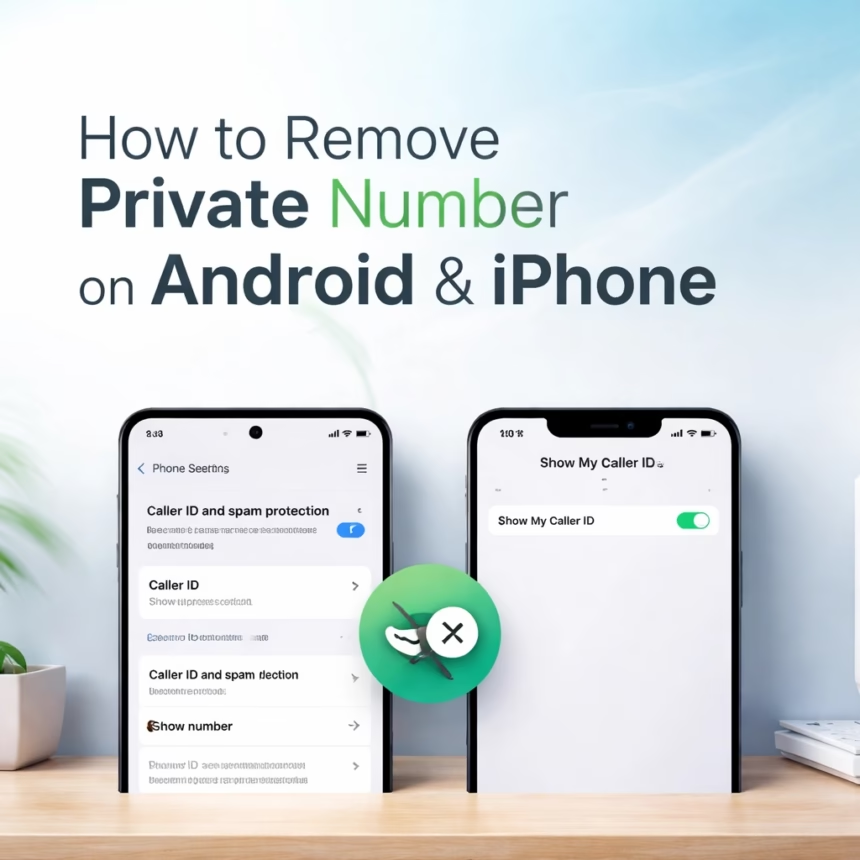
Mystery Solved: Unmasking Unknown Callers on Your Smartphone
For years, the 'private number' call has been a source of frustration and anxiety for smartphone users globally. Now, with evolving technology and regulatory changes, individuals on both Android and iPhone devices have more tools than ever to manage, block, or even identify these elusive callers, transforming the mobile experience across North America and beyond.
This development comes as a significant relief to millions plagued by unwanted solicitations, scam attempts, and harassment, offering a new layer of control over personal communication.
Background: The Evolution of Caller ID and Privacy
The concept of caller identification, or Caller ID, emerged in the late 1980s, allowing landline users to see the number of an incoming call before answering. However, alongside this innovation came the option for callers to block their number from being displayed, often by dialing a prefix like *67 in the United States. This feature was initially intended to protect privacy for legitimate reasons, such as medical professionals or law enforcement making calls from personal lines, or individuals not wishing their personal number to be widely distributed.
As mobile phones became ubiquitous in the early 2000s, the functionality carried over, but so did its exploitation. By the 2010s, the rise of aggressive telemarketing, robocalls, and sophisticated scam operations frequently leveraged private or unknown numbers. These tactics allowed callers to bypass call screening, obscure their identity, and make it difficult for recipients to block them effectively. This period saw a surge in consumer complaints to regulatory bodies like the U.S. Federal Communications Commission (FCC), highlighting a growing demand for better solutions.
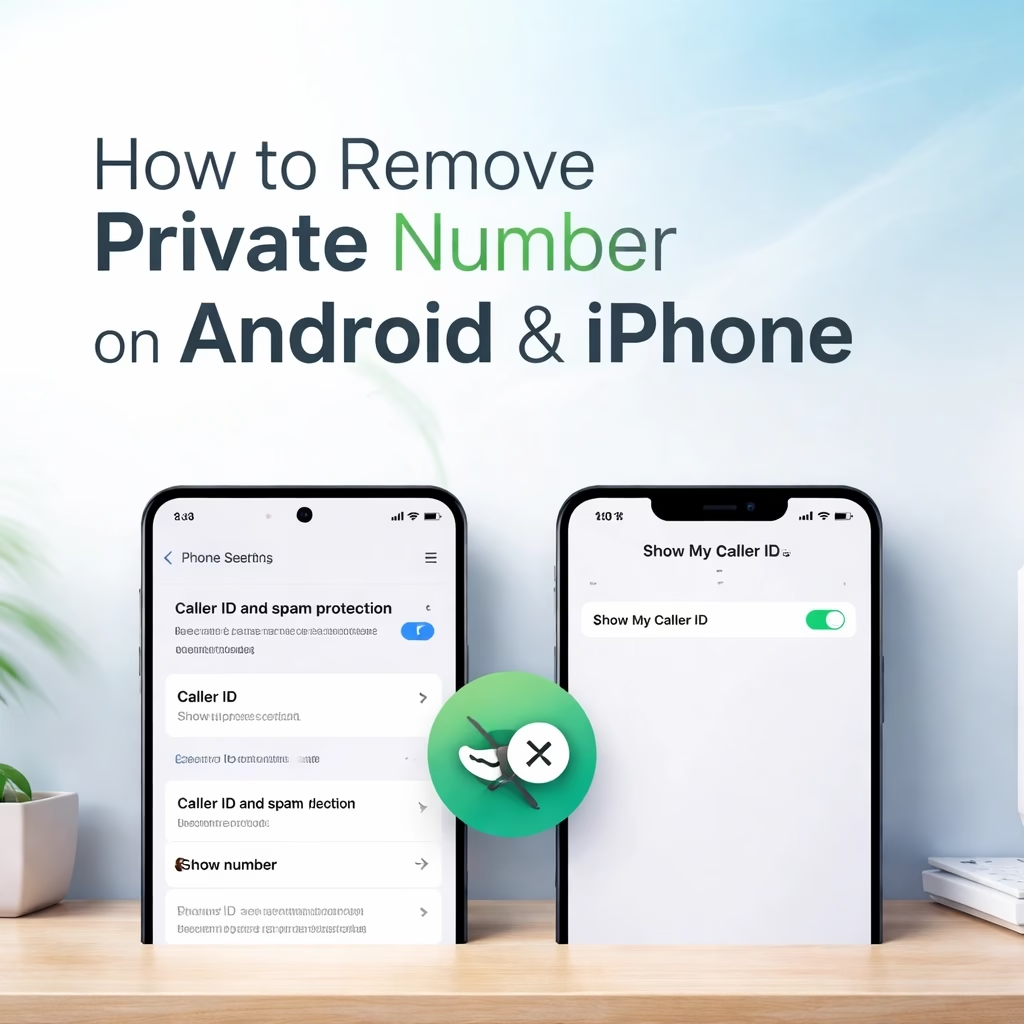
Key Developments: Modern Tools to Combat Private Calls
In response to widespread consumer demand and technological advancements, both smartphone manufacturers and mobile carriers have introduced robust features aimed at empowering users against unwanted private calls. These solutions range from built-in operating system functions to advanced third-party applications and carrier-specific services.
More Read

Android: Native Features and App Ecosystem
Android devices, particularly those running stock Android or Google's Phone app, offer several built-in options. Users can activate a "Block unknown callers" feature directly within the Phone application's settings. This function automatically sends calls from numbers not in the user's contacts to voicemail, effectively silencing many private and unidentified calls. Furthermore, the "Do Not Disturb" mode can be configured to allow calls only from specific contacts, providing a more stringent filtering mechanism.
The Android ecosystem also benefits from a wide array of third-party applications like Truecaller and Hiya. These apps leverage extensive databases and community reporting to identify and block spam, telemarketing, and known scam numbers, often displaying the caller's identity even if it's private or unknown to the user's device. While effective, users should be mindful of the privacy implications of sharing contact data with such services.
iPhone: Silence Unknown Callers and Beyond
Apple introduced its "Silence Unknown Callers" feature with iOS 13 in September 2019, providing a significant tool for iPhone users. When enabled, this setting automatically sends calls from numbers not found in the user's contacts, recent outgoing calls, or Siri Suggestions to voicemail. The call will still appear in the Recents list, allowing users to review and block numbers if necessary. This feature has been widely adopted as a primary defense against unwanted private calls, offering a seamless integration into the iOS experience.
Similar to Android, once a private caller is revealed (e.g., if they leave a voicemail), iPhone users can easily block the specific number directly from their Recents list, preventing future calls from that contact. Third-party call blocking apps, also available on the App Store, complement these native features by providing additional layers of identification and filtering, often powered by crowd-sourced data.
Carrier Services and Advanced Solutions
Major mobile carriers in regions like the United States and Canada have also developed their own sophisticated call protection services. Companies such as AT&T with Call Protect, Verizon with Call Filter, and T-Mobile with Scam Shield offer apps and services that automatically detect, block, or label suspected spam and scam calls, including those from private numbers. These services often utilize network-level analysis and artificial intelligence to identify malicious call patterns before they even reach the subscriber's device.
For individuals requiring more aggressive identification, services like TrapCall provide a unique solution. By routing incoming private calls through their system, TrapCall attempts to "unmask" the hidden number, revealing it to the recipient. This often comes as a paid subscription service and represents a more direct approach to identifying otherwise anonymous callers.
Furthermore, regulatory efforts have played a crucial role. The implementation of the STIR/SHAKEN framework, mandated by the FCC and major carriers since 2021, aims to combat caller ID spoofing by authenticating calls as they pass through the network. While primarily focused on spoofed numbers, this framework indirectly reduces the effectiveness of some private number tactics used by scammers, as it makes it harder for them to hide their true origin.
More Read

Impact: Reclaiming Control and Enhancing Safety
The proliferation of these tools has had a profound impact on smartphone users. For individuals experiencing harassment or persistent unwanted calls, these features offer a crucial layer of defense, restoring peace of mind. The elderly and other vulnerable populations, frequently targeted by sophisticated scam operations often employing private numbers, now have better protection against financial fraud and exploitation.
Businesses making legitimate calls from private numbers, such as doctors' offices or law enforcement, may find their calls directed to voicemail more often. However, the overall benefit of reducing nuisance and scam calls for the general public largely outweighs this minor inconvenience. The balance between caller privacy and recipient identification remains a dynamic area, but the current trend favors greater transparency for the recipient.
The reduction in unsolicited calls also contributes to a more efficient use of time and resources, as individuals spend less effort screening calls or dealing with fraudulent attempts. This shift represents a significant step forward in digital safety and personal communication management.
What Next: Future Milestones in Call Management
The landscape of call management and identification is continuously evolving. Expected milestones include deeper integration of AI and machine learning into call filtering systems, allowing for more accurate and proactive identification of unwanted calls, including those from newly generated private numbers. Further enhancements to the STIR/SHAKEN framework are anticipated, potentially leading to even greater authentication accuracy and a reduction in all forms of spoofed or unidentified calls.
Mobile carriers are likely to continue refining their premium call protection services, offering more granular control and personalized filtering options. Smartphone manufacturers may also introduce more sophisticated native features, perhaps leveraging on-device machine learning to identify suspicious call patterns without requiring cloud-based data sharing. The overarching goal remains to provide users with maximum control over who can reach them, ensuring that their mobile devices remain tools for connection, not sources of constant disruption or threat.