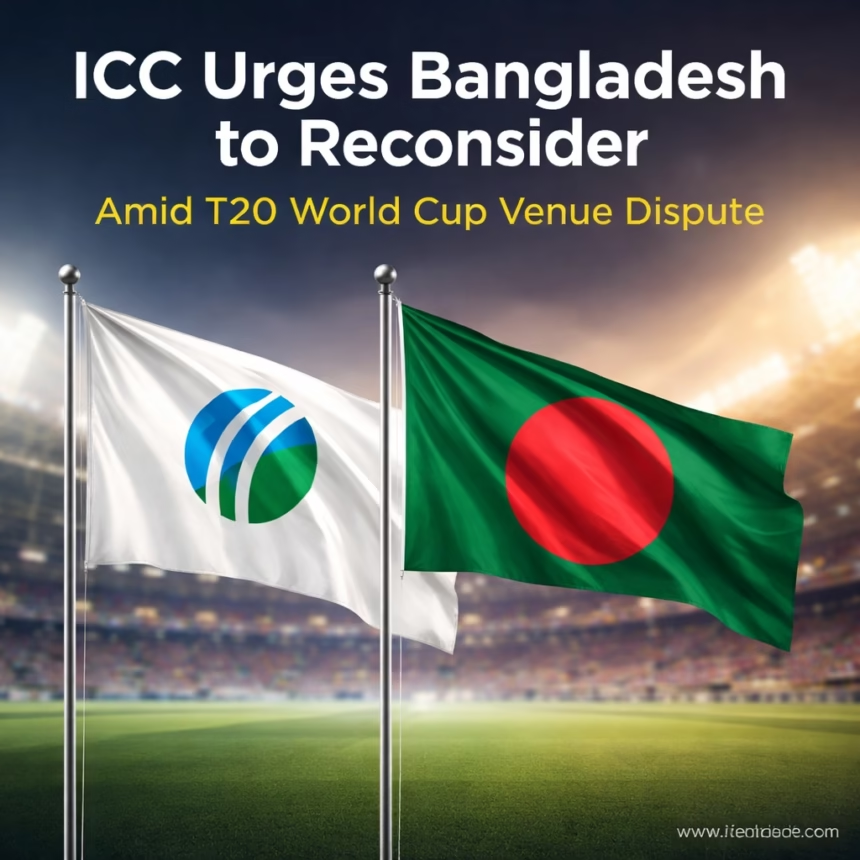
The International Cricket Council (ICC) has formally urged the Bangladesh Cricket Board (BCB) to re-evaluate its position regarding the hosting of matches for the upcoming T20 World Cup, amidst a significant dispute over financial guarantees and logistical commitments. This critical appeal comes as the global cricket body grapples with potential disruptions to its meticulously planned tournament schedule, impacting the event slated for the summer of 2024. The contention primarily revolves around a host agreement concerning tax exemptions and infrastructure readiness, casting a shadow over Bangladesh's prospective role in the prestigious competition.
Background: A History of Hosting and Emerging Hurdles
Bangladesh has a rich history of successfully hosting major ICC tournaments, including the 2014 T20 World Cup and parts of the 2011 ICC Cricket World Cup. These past events showcased the nation's passion for cricket and its capability to manage large-scale international competitions. The country's fervent fan base and existing cricket infrastructure, particularly in Dhaka and Chattogram, have historically made it an attractive option for the ICC.
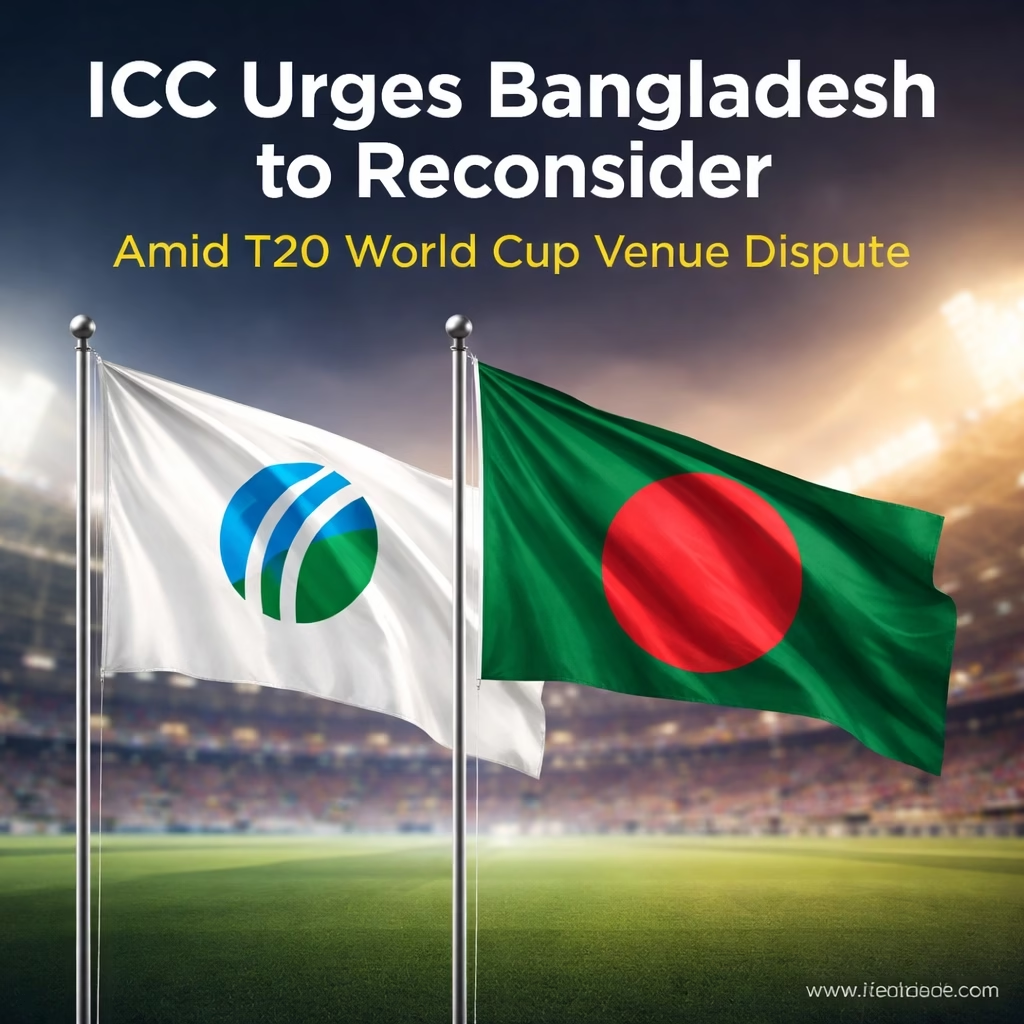
The initial discussions for the 2024 T20 World Cup, set to be primarily co-hosted by the West Indies and the United States, included provisions for Bangladesh to potentially host specific qualifying rounds or a limited number of group stage matches. This arrangement aimed to leverage Bangladesh's established cricket market and logistical capacity, providing a broader geographical footprint for the tournament. Such multi-nation hosting agreements are increasingly common for global sporting events, distributing the financial and operational burden while expanding reach.
However, a fundamental requirement for any ICC host nation involves granting specific tax exemptions to the global cricket body. These exemptions are crucial for the ICC to repatriate tournament revenues without significant deductions, ensuring financial viability for its global development initiatives and member boards. This standard clause is a cornerstone of every hosting agreement, designed to protect the ICC's commercial interests and ensure equitable distribution of profits.

Initial negotiations between the ICC and the BCB regarding the 2024 tournament's specific hosting terms commenced several months ago. While the BCB expressed enthusiasm for the opportunity, discussions reportedly hit an impasse over the government's willingness to provide the necessary tax waivers. This issue, coupled with concerns about the pace of proposed venue upgrades and infrastructure development, began to escalate in late 2023, signaling potential complications for the planned co-hosting arrangement.
Key Developments: Stalled Negotiations and Mounting Pressure
The core of the current dispute lies in the Bangladesh government's reported reluctance to grant the full suite of tax exemptions typically demanded by the ICC for major tournaments. Sources close to the negotiations indicate that while the BCB has been actively lobbying its government, a definitive commitment on the tax front has remained elusive. The ICC's position is firm: without these exemptions, the financial model for hosting becomes unviable, potentially leading to significant losses for the global body.
Tax Exemption Stalemate
The tax issue is not merely a bureaucratic hurdle; it represents a substantial financial commitment. The ICC operates on a model where tournament revenues are central to its funding, which is then distributed among its member nations for cricket development. Any significant tax imposition by a host country directly impacts this revenue stream, potentially undermining the financial health of global cricket. The Bangladesh government, on the other hand, faces its own fiscal considerations and might be hesitant to forgo substantial tax revenue, especially for an event where the financial benefits to the national exchequer might be perceived as indirect.
More Read

Infrastructure and Venue Readiness Concerns
Beyond the financial dispute, concerns have also surfaced regarding the readiness of venues. While Bangladesh possesses world-class stadiums like the Sher-e-Bangla National Cricket Stadium in Dhaka and the Zahur Ahmed Chowdhury Stadium in Chattogram, the ICC's requirements often include specific upgrades, new training facilities, and enhanced hospitality infrastructure. Reports suggest that the timeline for completing these necessary enhancements has been a point of contention, with the ICC emphasizing the need for timely delivery to ensure international standards are met. This includes pitch preparation, spectator facilities, security arrangements, and broadcasting infrastructure.
High-Level Communications
Recent weeks have seen an intensification of communications between the ICC and the BCB. ICC Chief Executive Geoff Allardice reportedly engaged in direct discussions with BCB President Nazmul Hassan Papon and other senior officials. These high-level talks aimed to find a resolution, with the ICC reiterating the urgency of the situation given the approaching tournament dates. The global body has reportedly set a soft deadline in the coming weeks for a definitive commitment from Bangladesh, failing which contingency plans would need to be activated.
The BCB, caught between the ICC's demands and governmental policy, has been placed in a challenging position. While eager to host, the board's capacity to influence government decisions on financial matters is limited, highlighting the complex interplay between sports administration and national policy.
Impact: Ripple Effects Across Global Cricket
The ongoing dispute carries significant implications, extending beyond the immediate stakeholders to affect various facets of the cricket world. The uncertainty surrounding Bangladesh's participation as a co-host creates a ripple effect, impacting logistical planning, financial projections, and the overall fan experience.
Financial and Logistical Strain
For the ICC, a withdrawal or inability of Bangladesh to host would necessitate a rapid re-evaluation of tournament logistics. This includes reallocating matches, adjusting travel schedules for teams and officials, and potentially revising broadcasting arrangements. Such last-minute changes incur significant additional costs and operational complexities. Financially, any deviation from the planned hosting model could impact revenue projections, potentially reducing the funds available for cricket development globally.
Reputational Implications for Bangladesh
For Bangladesh, failing to meet hosting commitments could have long-term reputational consequences. The nation has worked hard to establish itself as a reliable host for international cricket. A withdrawal, particularly due to unfulfilled financial guarantees, might make the ICC and other sporting bodies hesitant to award future major events to the country. This could undermine Bangladesh's standing in the global cricketing community and its aspirations to regularly host marquee tournaments.

Fan Disappointment
Perhaps most acutely, the dispute impacts the passionate cricket fans in Bangladesh and the broader South Asian region. Millions of supporters eagerly anticipate the opportunity to witness T20 World Cup matches on home soil. A change in venue would undoubtedly lead to widespread disappointment, depriving local fans of a unique cricketing spectacle and potentially impacting tourism and local economic activity that typically accompany such events.
Player and Team Logistics
Teams preparing for the tournament also face uncertainty. While the primary venues in the West Indies and USA remain unaffected, any changes to the schedule or additional host nations could alter travel plans, acclimatization periods, and overall tournament preparation strategies. Ensuring player welfare and seamless logistics is paramount for the ICC, and late changes complicate these efforts.
What Next: Approaching Deadlines and Contingency Plans
The situation remains fluid, with all eyes on the immediate future for a definitive resolution. The ICC's urgent plea underscores the critical nature of the coming weeks, as the tournament schedule needs to be finalized well in advance for logistical, broadcasting, and commercial reasons.
Imminent Decision Point
The ICC is reportedly awaiting a final, unequivocal commitment from the Bangladesh government regarding the tax exemptions and venue readiness by a specified date, believed to be in early February. This deadline is crucial for the global body to either proceed with Bangladesh as a co-host or activate its contingency plans. The BCB is expected to make a renewed and robust appeal to its government in the interim, emphasizing the importance of the tournament for national pride and cricketing development.
Potential Scenarios
Should Bangladesh fail to meet the ICC's requirements, several scenarios could unfold:
Reallocation of Matches: The most likely outcome would be the reallocation of the planned matches to other existing host nations, primarily the West Indies and the United States. This would mean an increased workload for their venues and logistical teams but would maintain the tournament within the established framework.
* Alternative Host Nations: While less likely given the advanced stage of planning, the ICC might explore other potential host nations that can quickly step in and meet the requirements. However, finding a suitable replacement with adequate infrastructure and governmental support on short notice presents significant challenges.
* Revised Tournament Structure: In an extreme scenario, the ICC might need to revise the tournament structure or schedule, though this would be a last resort due to the extensive planning already in place.
Statements and Public Clarifications
Both the ICC and the BCB are expected to issue official statements once a definitive decision is reached. These communications will be vital in clarifying the situation for participating teams, broadcasters, commercial partners, and, most importantly, the global cricket fan base. The cricketing world watches keenly, hoping for a swift and amicable resolution that ensures the smooth delivery of the T20 World Cup, a pinnacle event in the sport's calendar.