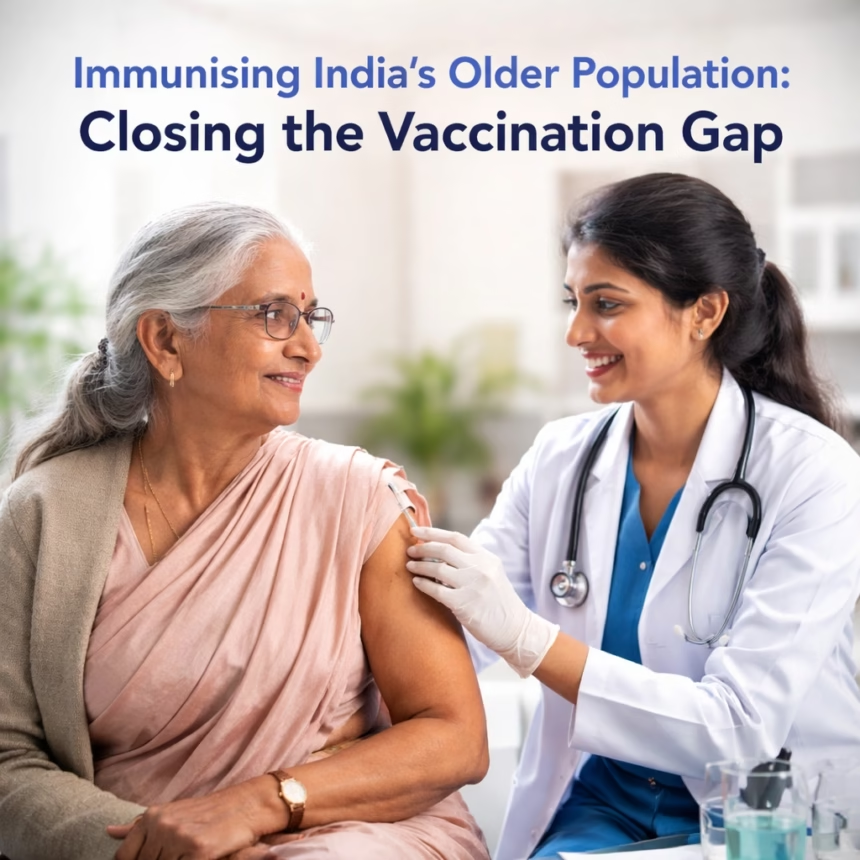
Protecting Our Elders: A Race Against Time in India's Vaccine Drive
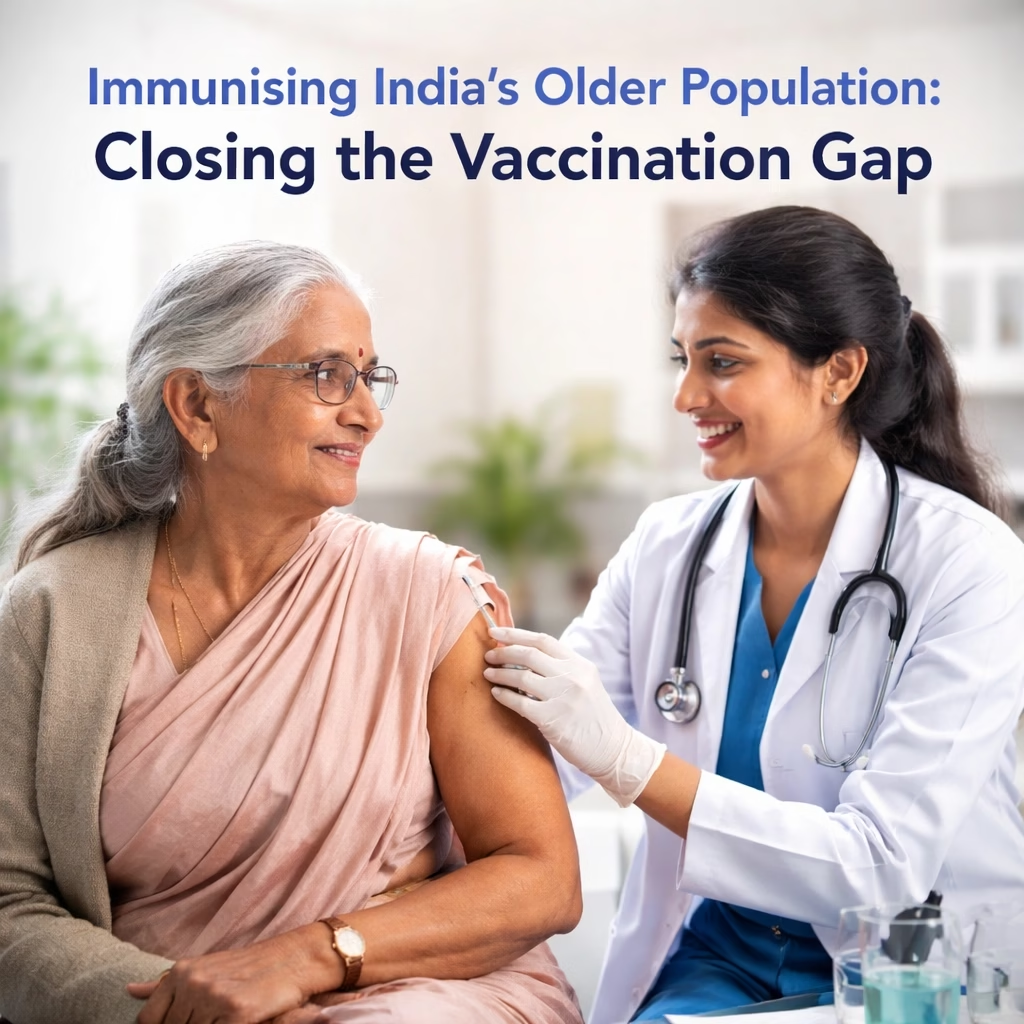
New Delhi, India – India has made significant strides in its COVID-19 vaccination program, but a widening gap remains in reaching its elderly population. Efforts are intensifying to ensure that senior citizens, particularly those in rural areas, receive the protection they need.
Background: A Nation’s Vaccination Journey
India began its COVID-19 vaccination drive on January 16, 2021, initially prioritizing healthcare workers and those aged 45 and above. The program rolled out in phases, expanding eligibility gradually. The government procured vaccines from Serum Institute of India (SII), Bharat Biotech, and Pfizer, among others. By March 2023, over 1.3 billion vaccine doses had been administered across the country. However, the pace of vaccination among the elderly has lagged behind the younger age groups.
Initial challenges included vaccine hesitancy, logistical difficulties in reaching remote locations, and a lack of awareness among some senior citizens about the importance of vaccination. The program faced logistical hurdles, particularly in coordinating outreach efforts across diverse states and urban/rural settings.
More Read

Key Developments: Addressing the Gap
Recognizing the disparity, the government has implemented several strategies to accelerate vaccination among older adults. In late 2023, the focus shifted to intensifying outreach programs in underserved areas. Mobile vaccination camps have been deployed in villages and towns, bringing vaccines directly to seniors. Special vaccination drives are being organized at community centers, senior citizen homes, and local health facilities.
The National Digital Health Mission (NDHM) is being leveraged to track vaccine coverage and identify individuals who have not yet been vaccinated. Community health workers (ASHAs) are playing a vital role in educating seniors about the benefits of vaccination and addressing their concerns. Furthermore, the government has simplified the registration process and made it more accessible to older adults, including offering assistance with online registration.
Impact: Vulnerable Populations at Risk
The vaccination gap among the elderly leaves them vulnerable to severe illness, hospitalization, and even death from COVID-19. According to data from the Ministry of Health and Family Welfare, the COVID-19 mortality rate among individuals aged 60 and above has been consistently higher than in younger age groups. This is particularly concerning given the prevalence of comorbidities among older adults, such as diabetes and heart disease, which increase their risk of severe outcomes.
More Read

The impact extends beyond individual health. The strain on healthcare systems increases when a significant portion of the elderly population falls ill. Furthermore, the loss of elderly individuals has a profound social and emotional impact on families and communities.
What Next: Bridging the Remaining Divide
The government aims to achieve 100% vaccination coverage among eligible senior citizens by the end of 2024. This ambitious goal requires sustained efforts and collaboration between various stakeholders.
Focus on Awareness Campaigns
Ongoing awareness campaigns are crucial to address vaccine hesitancy and dispel misinformation. These campaigns are being conducted through television, radio, print media, and community outreach events, emphasizing the safety and efficacy of vaccines.
Strengthening Healthcare Infrastructure
The government is investing in strengthening healthcare infrastructure in rural areas, including improving cold chain facilities for vaccine storage and transportation. This will ensure that vaccines are readily available and remain effective throughout the vaccination process.
Partnerships with NGOs and Community Organizations
Collaboration with non-governmental organizations (NGOs) and community organizations is essential to reach vulnerable populations. These organizations have established trust within communities and can effectively disseminate information and facilitate vaccination efforts.
The Indian government's commitment to protecting its elderly population through vaccination is evident. However, closing the remaining gap requires a concerted and sustained effort to overcome logistical challenges, address vaccine hesitancy, and ensure equitable access to vaccines for all senior citizens across the nation.