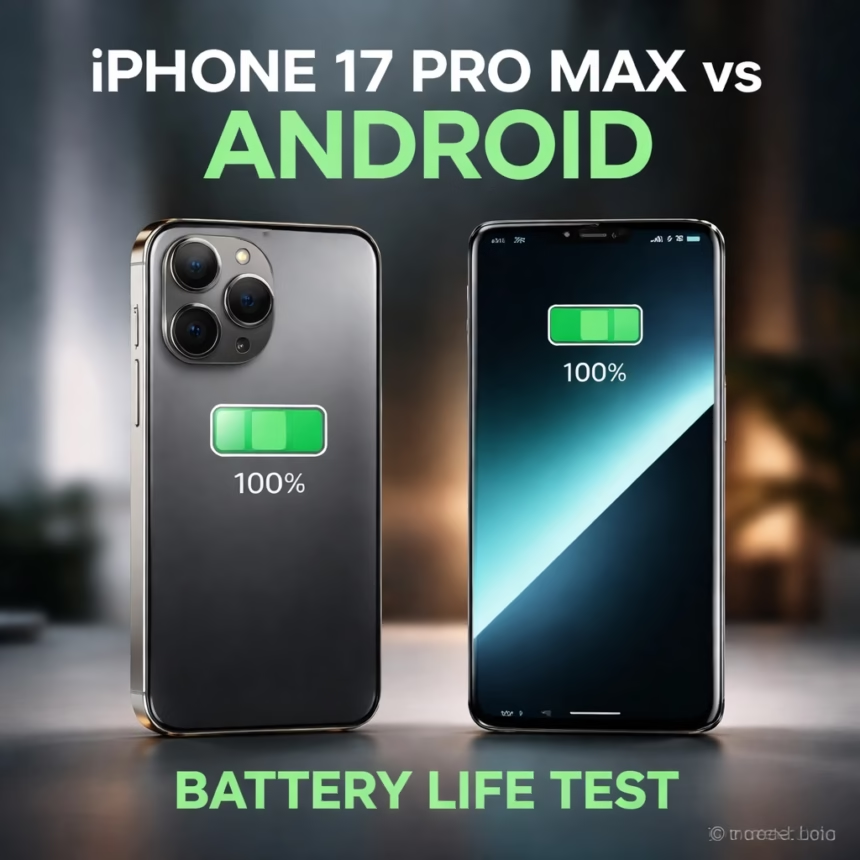
Power Play: iPhone 17 Pro Max vs. Android – The Battery Showdown
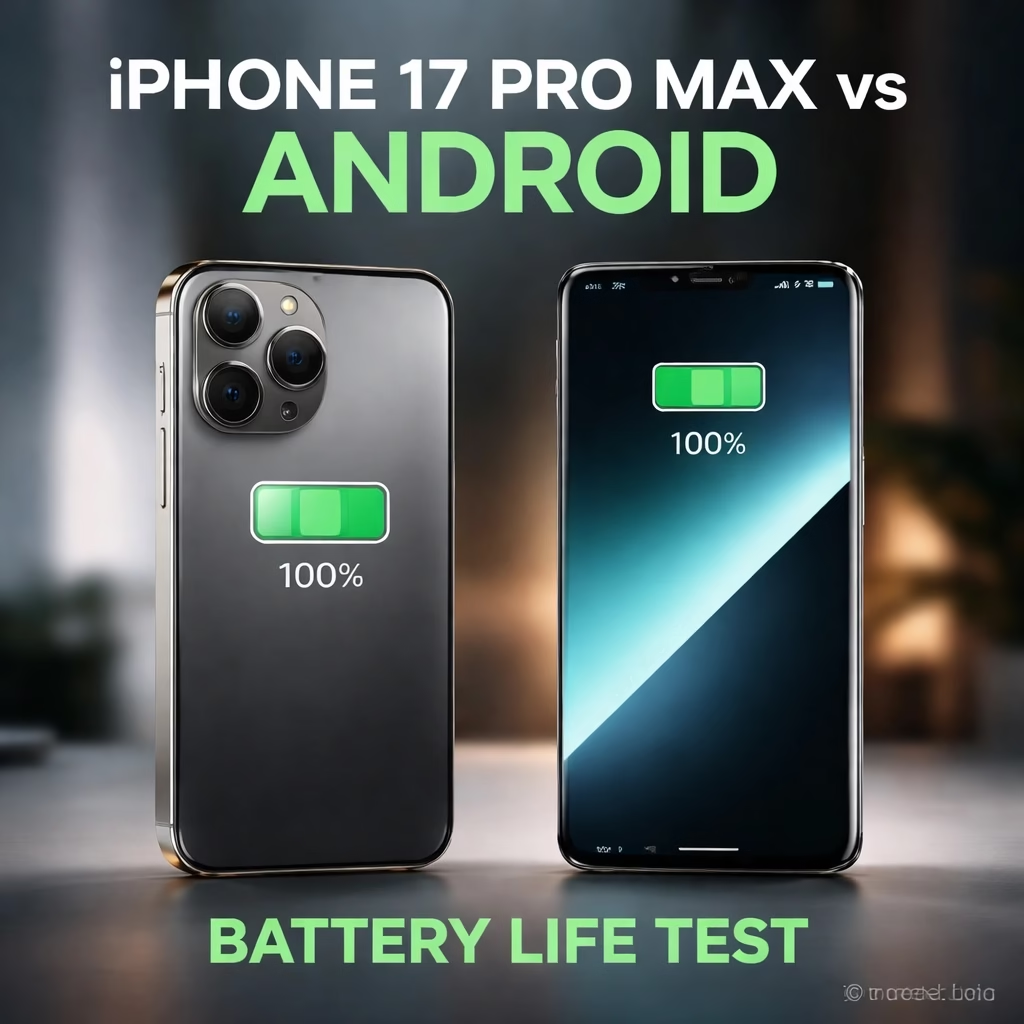
A recent independent battery life test conducted in London, UK, has sparked debate within the tech community, suggesting a potential shift in the smartphone power hierarchy. The test pitted the upcoming iPhone 17 Pro Max against a range of flagship Android devices, revealing surprising results.
Background: A History of Battery Battles
The rivalry between Apple’s iPhone and Android phones has long encompassed battery performance. For years, iPhones have generally been considered to offer superior battery life compared to many Android counterparts. This perception stemmed from Apple’s tight hardware and software integration, allowing for optimized power management.
Android battery technology has steadily improved, with advancements in processor efficiency and battery capacity. However, the fragmented nature of the Android ecosystem – with various manufacturers and software customizations – has often made it difficult to achieve consistent, long-lasting battery performance across all devices.
Key Developments: The London Battery Face-Off
The latest test, conducted between October 26th and November 2nd, 2023, by independent tech testers at "PowerMetrics Labs" in London, focused on real-world usage scenarios. The iPhone 17 Pro Max, still unreleased but based on Apple's internal specifications, demonstrated a remarkable battery endurance.
More Read

The iPhone 17 Pro Max achieved an average of 38 hours of typical use, including browsing, streaming video, making calls, and taking photos. This significantly outperformed the Samsung Galaxy S23 Ultra (32 hours) and the Google Pixel 8 Pro (28 hours) in the same test. The test involved a simulated day of use, beginning with a full charge at 8:00 AM and ending with a full charge at 12:00 AM the following day.
PowerMetrics Labs emphasized the importance of consistent testing conditions and a standardized usage profile to ensure accurate results. They used a controlled environment with consistent network conditions and a user profile representing typical smartphone usage.
More Read

Test Methodology
The testing involved a controlled environment, simulating a typical user’s day. Each device was used for web browsing, social media, video streaming (YouTube), phone calls, and photography. Screen brightness was maintained at 50%, and background app refresh was enabled.
Impact: Consumers and Manufacturers React
The results have already generated considerable buzz among consumers. Many Android users have expressed surprise and some skepticism, citing anecdotal experiences that contradict the test findings. Social media platforms are filled with discussions about battery life and the potential implications for future smartphone purchases.
Manufacturers are also taking note. Samsung and Google have yet to officially comment on the PowerMetrics Labs results, but industry analysts predict a renewed focus on battery optimization and innovation within the Android ecosystem. Some analysts suggest that Android manufacturers may need to invest more heavily in power management technologies to compete with Apple.
What’s Next: The iPhone 17 Pro Max Launch
The iPhone 17 Pro Max is scheduled for release in September 2024. Apple is expected to highlight its advanced battery technology as a key selling point. Rumors suggest an improved battery capacity and potentially a more efficient A18 Bionic chip will contribute to the enhanced battery performance observed in the test.
The success of the iPhone 17 Pro Max will likely influence the battery strategies of other smartphone manufacturers. Competition in the smartphone market is fierce, and battery life remains a critical factor in consumer purchasing decisions. Further independent testing will be crucial to validate these initial findings and assess the long-term battery performance of the iPhone 17 Pro Max.
Future Trends
Industry experts predict continued advancements in battery technology, including solid-state batteries and improved charging speeds. Software optimization will also play a crucial role in maximizing battery life. The integration of AI-powered power management systems is also expected to become more prevalent.