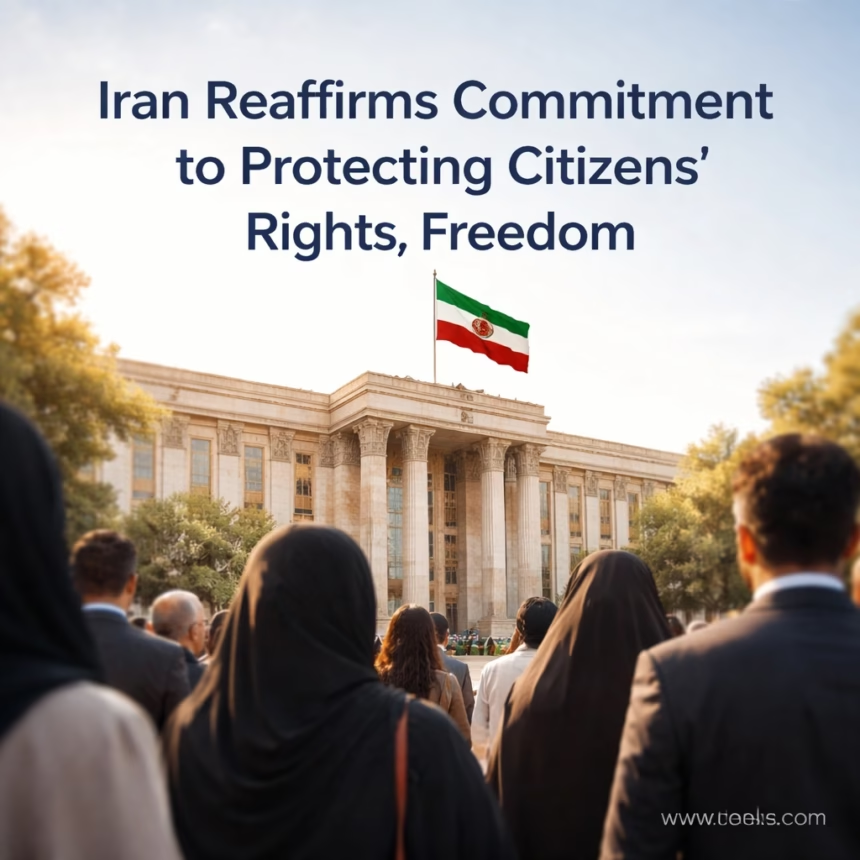
Iran Assures Global Community of Human Rights Safeguards
Tehran, Iran – In a recent address to the United Nations Human Rights Council on October 18, 2023, Iranian Foreign Minister Hossein Amir-Abdollahian reiterated the nation’s dedication to upholding the rights and freedoms of its citizens. The statement comes amidst ongoing international scrutiny regarding human rights issues within Iran.
Background
Iran’s human rights record has been a subject of contention for decades. Following the 1979 Islamic Revolution, the country implemented a system of governance based on Islamic principles, which has significantly shaped legal and social norms. The constitution outlines certain rights, but their practical application has been frequently challenged, particularly concerning freedom of expression, assembly, and religion.
Over the past several years, international organizations like Amnesty International and Human Rights Watch have documented numerous concerns, including restrictions on women's rights, limitations on press freedom, and the use of force against protestors. The 2022 protests sparked by the death of Mahsa Amini, a young woman detained by the morality police, brought these issues to renewed global attention and resulted in hundreds of deaths and arrests.
Key Developments
Minister Amir-Abdollahian’s address focused on reforms implemented since 2022. He highlighted efforts to streamline legal processes and improve access to justice for citizens. Specifically, he mentioned the establishment of new legal avenues for appeals and the expansion of citizen participation in judicial oversight committees.

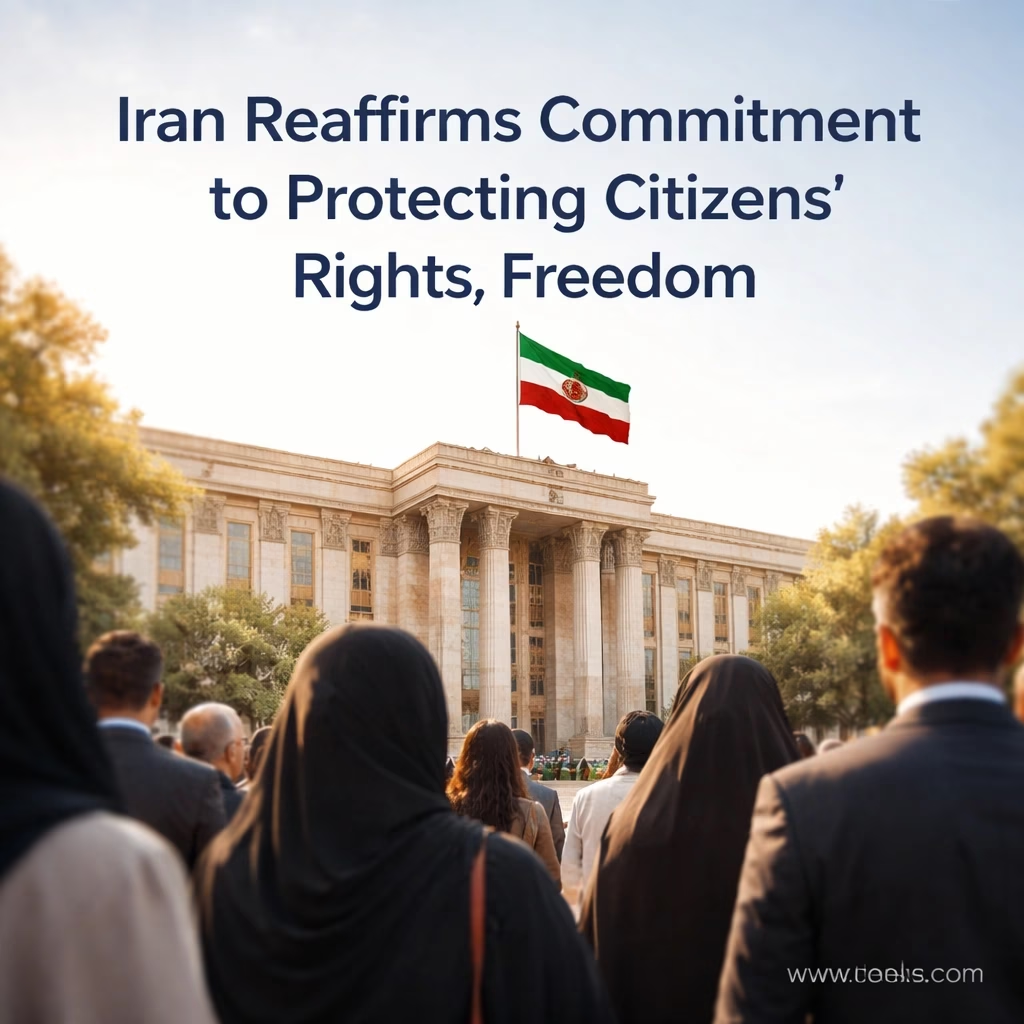
The Iranian government also emphasized its commitment to protecting the rights of women and girls. Amir-Abdollahian pointed to recent legislation aimed at combating domestic violence and promoting gender equality in education and employment. Furthermore, he stated that the government is working to ensure fair treatment of minorities, including religious and ethnic groups.
However, the minister acknowledged that challenges remain. He stated that economic sanctions imposed by the United States and other countries have created difficulties in delivering essential services and hindering economic development, indirectly impacting the well-being of citizens.
More Read

Impact
On Iranian Citizens
The impact of these developments is felt differently across Iranian society. While some welcome the reported legal reforms and efforts to address social issues, others remain skeptical. Many civil society organizations and human rights activists argue that the reforms are insufficient and do not adequately address systemic issues of repression and discrimination.
The ongoing economic hardships, exacerbated by sanctions, continue to pose significant challenges to citizens’ lives. High inflation, unemployment, and limited access to healthcare are major concerns, often overshadowing any perceived improvements in human rights.
On International Relations
Iran’s reaffirmation of its commitment to human rights is being met with cautious optimism by international observers. While some welcome the stated intentions, many continue to call for concrete evidence of sustained and comprehensive reforms. The effectiveness of these reforms will significantly influence Iran’s standing in the international community and its ability to engage in constructive dialogue with other nations.
What Next
The coming months will be crucial in determining whether Iran's stated commitments translate into tangible improvements in human rights. The UN Human Rights Council is expected to monitor Iran’s progress closely, potentially issuing reports and recommendations based on on-the-ground assessments.
Key milestones to watch include the implementation of new legislation related to freedom of expression and assembly, the release of political prisoners, and improvements in the treatment of minorities. Furthermore, sustained engagement with civil society organizations and independent media will be vital in ensuring accountability and transparency.
Upcoming UN Review
Iran’s human rights record will be subject to a comprehensive review by the UN Human Rights Committee in 2024. This review will assess the country’s compliance with international human rights treaties and address outstanding concerns raised by international observers.