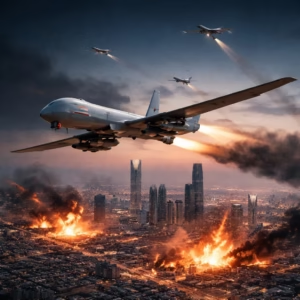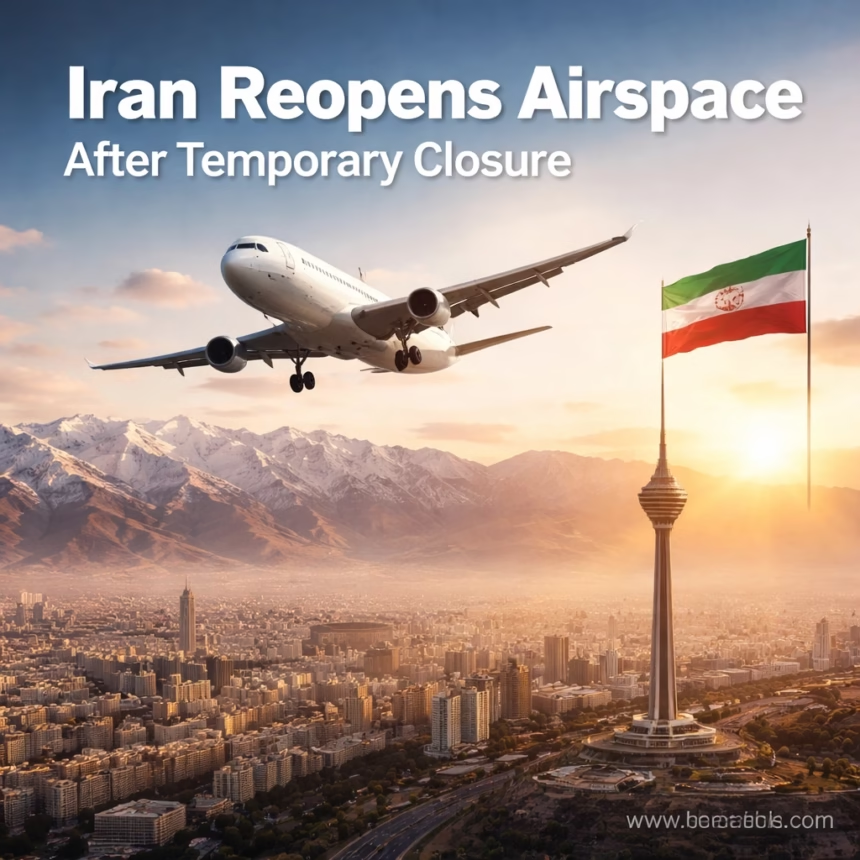
Air Corridor Restored: Flights Resume Over Iran After Brief Halt
Air travel over Iran resumed on Tuesday, November 21, 2023, after a temporary airspace closure disrupted flights across the Middle East. The sudden decision, which impacted routes connecting several countries, caused significant rerouting and delays for airlines and passengers.
Background
This isn't the first time Iranian airspace has experienced disruptions. In recent years, geopolitical tensions in the region have led to intermittent closures and restrictions. The closure of Iranian airspace has become a recurring issue, particularly during periods of heightened conflict or diplomatic friction. Previously, airspace closures were often linked to military exercises or escalations involving Iran and its regional adversaries.
The most recent period of airspace restrictions began in late October and extended through November 20th. Several countries, including Israel, Jordan, and the United Arab Emirates, had previously issued warnings to their airlines about potential disruptions when flying near Iranian territory.
Key Developments
The unexpected closure on November 20th caused widespread disruption. Airlines operating routes between Europe, the Middle East, and Asia were forced to reroute flights, adding considerable time and cost to journeys. The closure lasted for approximately 24 hours, prompting concerns about the stability of regional air travel.
More Read

Reports suggest the closure originated from within Iran, with limited official explanation initially provided. The Iranian government later attributed the closure to "technical issues," a statement that has been met with skepticism by some industry analysts.
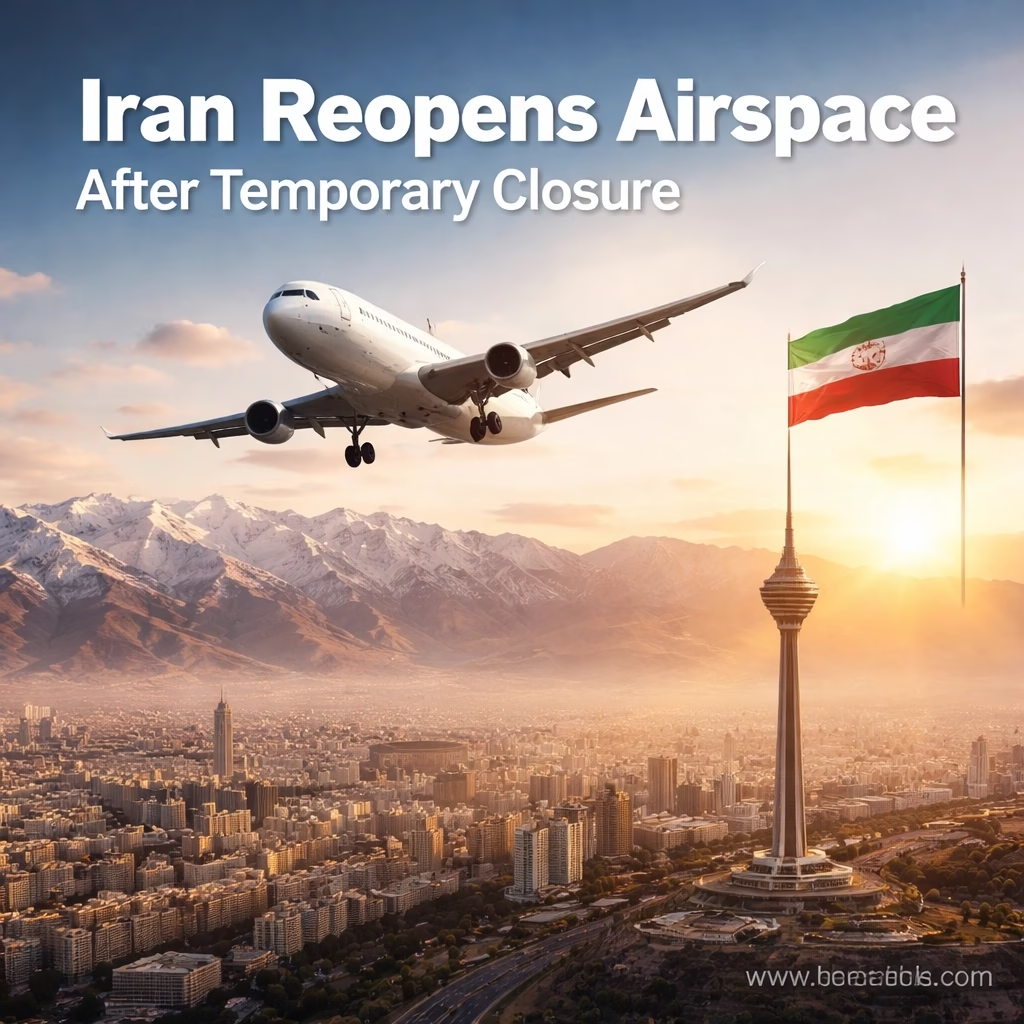
By Tuesday morning, November 21st, reports indicated that Iranian authorities had addressed the "technical issues" and fully reopened the airspace. Airlines began resuming normal flight paths, although some residual delays were reported due to the previous day's disruptions.
Impact
Airlines and Passengers
The airspace closure significantly impacted airlines operating routes through the region. Carriers like Lufthansa, Turkish Airlines, Emirates, and Qatar Airways experienced substantial delays and were forced to adjust flight schedules. Passengers faced longer travel times, increased expenses, and considerable inconvenience.
More Read

Many travelers were caught off guard by the sudden closure, leading to frustration and uncertainty. Some passengers were forced to spend overnight in airports while waiting for alternative routes to become available. The cost of flights also increased as airlines factored in the added fuel expenses and rerouting fees.
Regional Economic Effects
Beyond passenger travel, the airspace closure also had a ripple effect on cargo transportation. Businesses relying on air freight faced delays in shipping goods, potentially disrupting supply chains and impacting economic activity in the region and beyond. The disruption also affected tourism, with some travelers postponing or canceling trips due to concerns about flight reliability.
What Next
While flights have resumed, the situation remains somewhat fragile. Industry observers are closely monitoring developments in the region to assess the likelihood of future airspace closures. Enhanced communication and coordination between airlines, air traffic control authorities, and governments will be crucial to mitigating the impact of any future disruptions.
Long-Term Implications
The recent events highlight the vulnerability of air travel in regions prone to political instability. The incident could prompt airlines to reassess their route planning and contingency strategies, potentially leading to increased fuel costs and higher ticket prices. Furthermore, it underscores the importance of transparent communication from governments and authorities regarding airspace restrictions.
The Iranian government has yet to provide a detailed explanation for the airspace closure, leaving many questions unanswered. Going forward, improved clarity and proactive communication from Iranian officials are essential to restoring confidence in the safety and reliability of air travel over the country.