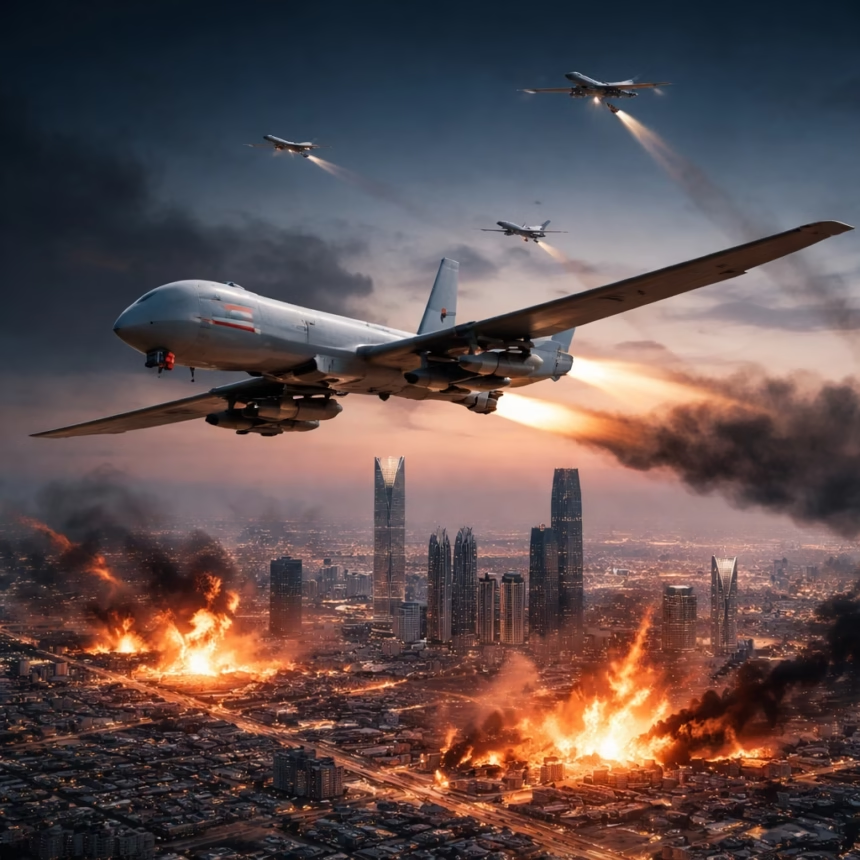
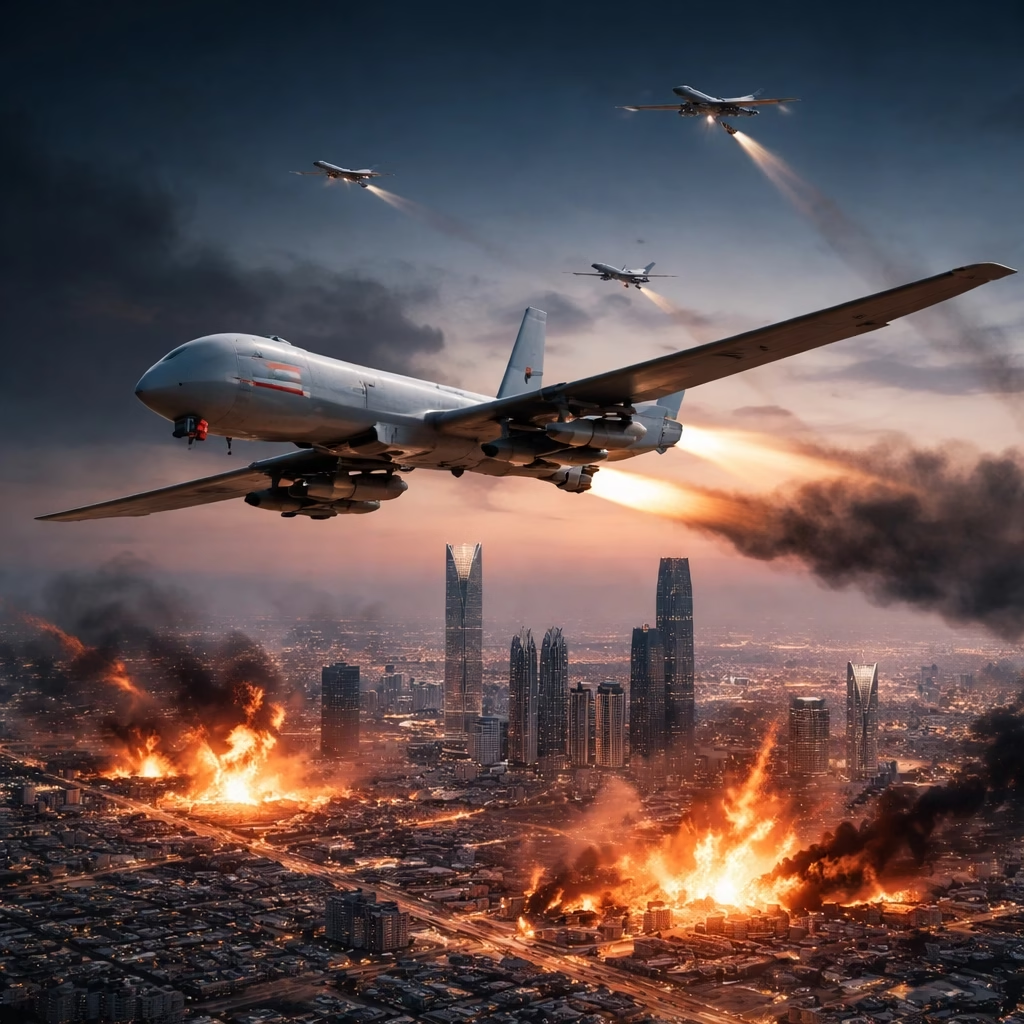
Saudi Arabia has experienced a significant resurgence of drone attacks in recent weeks, with an unprecedented number of unmanned aerial vehicles (UAVs) targeting critical infrastructure across the kingdom. These sophisticated assaults, widely attributed to Iran-backed proxies, mark a concerning escalation in regional hostilities following a period of diplomatic de-escalation.
Background: A Volatile History of Cross-Border Conflict
The Yemen Conflict: Roots of Hostility
The protracted civil war in Yemen, which began in late 2014, serves as the primary crucible for cross-border hostilities targeting Saudi Arabia. Saudi Arabia leads a coalition that intervened in Yemen in March 2015 to support the internationally recognized government against the Houthi movement, an armed group backed by Iran. This conflict has devastated Yemen and frequently spilled over into Saudi territory.
A History of Cross-Border Attacks
For years, Houthi rebels have launched drones and missiles at Saudi cities, oil facilities, and airports. Notable incidents include the September 2019 attacks on the Abqaiq and Khurais oil processing facilities, which temporarily halved Saudi Arabia’s oil output. While the Houthis claimed responsibility, both Saudi Arabia and the United States attributed the sophistication of these attacks directly to Iran, demonstrating evolving capabilities of non-state actors.
Fleeting Diplomacy and Shifting Sands
A period of relative calm emerged following a China-brokered rapprochement between Saudi Arabia and Iran in March 2023. This diplomatic breakthrough fostered hopes for de-escalation in regional proxy conflicts, including Yemen. A UN-brokered ceasefire in Yemen, initially implemented in April 2022, had largely held despite not being formally renewed, leading to a significant reduction in cross-border strikes. However, underlying tensions persisted, and the current wave of attacks suggests that fragile diplomatic gains have eroded.
Key Developments: Escalation in Scope and Frequency
Escalation in Scope and Frequency
Beginning in late February 2024, Saudi air defense systems detected and intercepted an increasing number of drones, a trend that intensified significantly throughout March and into early April. Unlike previous sporadic attacks, the recent barrages have involved larger “swarm” formations, sometimes comprising dozens of unmanned aerial vehicles launched simultaneously. This tactic aims to overwhelm Saudi air defenses, increasing the probability of successful strikes against high-value targets. Initial reports from the Saudi Ministry of Defense indicate interceptions over major population centers and industrial zones, including Riyadh, Jeddah, and the Eastern Province.

Precision Strikes and Targeted Infrastructure
The targets of these renewed assaults suggest a deliberate strategy to inflict economic damage and disrupt critical national infrastructure. Specific incidents reported by state media and security analysts include attempted strikes on oil storage facilities near Ras Tanura, desalination plants along the Red Sea coast, and international airports. On March 15, a coordinated drone and cruise missile attack targeted an oil refinery in Yanbu, causing minor damage. Another incident on April 2 saw multiple drones intercepted near King Khalid International Airport in Riyadh, prompting temporary flight disruptions.
Evolving Drone Technology and Tactics
Analysis of intercepted debris by Saudi and international experts points to the deployment of advanced drone models, including variants of the Shahed-136 loitering munition and Qasef-2K attack drones, often modified for extended range and enhanced payload capacity. These UAVs are believed to be supplied or produced with significant Iranian technical assistance. The use of sophisticated navigation systems, potentially incorporating commercial satellite imagery and GPS spoofing countermeasures, presents a growing challenge for defensive operations. Furthermore, the employment of multiple drone types in a single attack, sometimes alongside ballistic missiles, indicates a complex and adaptive offensive strategy.
More Read

Saudi Defenses Under Pressure
Saudi Arabia’s layered air defense network, comprising Patriot missile systems, THAAD batteries, and sophisticated radar installations, has been actively engaged in countering the threat. While the majority of incoming projectiles have been intercepted, the sheer volume and persistence of the attacks test the limits of even advanced defense capabilities. The cost of continuously intercepting these relatively inexpensive drones with expensive missiles is also a significant concern, raising questions about the long-term sustainability of current defensive postures. The Royal Saudi Air Force has intensified surveillance and reconnaissance missions along its borders.
Impact: Ripple Effects Across the Region and Beyond
Economic Repercussions and Oil Market Volatility
The renewed drone strikes have immediate and far-reaching economic implications. Saudi Arabia, the world’s largest oil exporter, saw a temporary spike in crude oil prices on international markets following reports of successful interceptions near energy infrastructure. While the kingdom has robust contingency plans, sustained attacks pose a risk to global energy supply chains, potentially disrupting production and export capacities. Investor confidence in the region, particularly concerning large-scale projects under Saudi Vision 2030, could be dampened by persistent security threats, impacting foreign direct investment and economic diversification efforts.
Geopolitical Fallout and Regional Stability
The escalation threatens to unravel the fragile diplomatic progress made between Riyadh and Tehran. It casts a shadow over the future of their bilateral relations and broader regional stability. Other Gulf Cooperation Council (GCC) states are closely monitoring the situation, concerned about the potential for wider conflict. The attacks also complicate efforts to secure a lasting peace in Yemen, as they undermine trust and make negotiations between the Saudi-backed government and the Houthis more challenging. The perception of a weakening Saudi defense or an emboldened Houthi movement could encourage other non-state actors in the region.
Strain on International Relations
The United States, a key security partner for Saudi Arabia, has condemned the attacks and reiterated its commitment to Saudi defense. However, the Biden administration’s focus on de-escalation and a nuclear deal with Iran presents a complex diplomatic challenge. European nations have also expressed concern, urging all parties to exercise restraint. The international community fears that a direct military response from Saudi Arabia could trigger a broader regional conflagration, drawing in other global powers and further destabilizing an already volatile Middle East.
What Next: Pathways to De-escalation and Future Challenges
Diplomatic Pathways and Stalled Negotiations
International efforts are intensifying to de-escalate the situation. The United Nations Special Envoy for Yemen has called for an immediate cessation of hostilities and a return to the negotiating table, emphasizing the urgent need to revive the peace process. China, which brokered the initial Saudi-Iran rapprochement, may be pressured to leverage its influence to restore calm. However, the current environment of mistrust and heightened aggression makes significant diplomatic breakthroughs challenging. Any sustainable solution would likely require addressing the underlying causes of the Yemen conflict and broader regional security concerns.
Saudi Response and Deterrence Strategies
Saudi Arabia faces a critical decision regarding its response. While it has primarily focused on defensive measures, the kingdom has previously demonstrated a willingness to conduct retaliatory strikes against Houthi targets within Yemen. A more assertive military response could risk further escalation, but inaction might be perceived as weakness, potentially emboldening future attacks. Riyadh is likely exploring a multi-pronged approach, combining enhanced air defense capabilities, intelligence-gathering operations to pinpoint launch sites, and diplomatic pressure on international partners to curb Iran’s regional activities and support for proxy groups.
More Read
International Scrutiny and Calls for De-escalation
The international community remains deeply concerned about the humanitarian consequences of renewed conflict in Yemen and the economic impact of attacks on global energy supplies. Various international bodies and nations are expected to exert pressure on both Saudi Arabia and Iran to exercise restraint and engage in constructive dialogue. Sanctions against entities involved in drone proliferation may also be considered. The focus will be on preventing a full-scale return to the intense hostilities that characterized earlier phases of the Yemen war and the broader Iran-Saudi rivalry.
The Future of Regional Power Dynamics
The drone attacks underscore the persistent fragility of Middle Eastern security and the evolving nature of warfare, where non-state actors equipped with sophisticated technology can pose significant threats to sovereign states. The trajectory of Iran-Saudi relations, the future of the Yemen conflict, and the role of international mediators will largely determine whether the region can navigate this latest escalation towards a path of stability or descend into further turmoil. The stakes are high, not just for the immediate parties involved, but for global energy security and international peace.