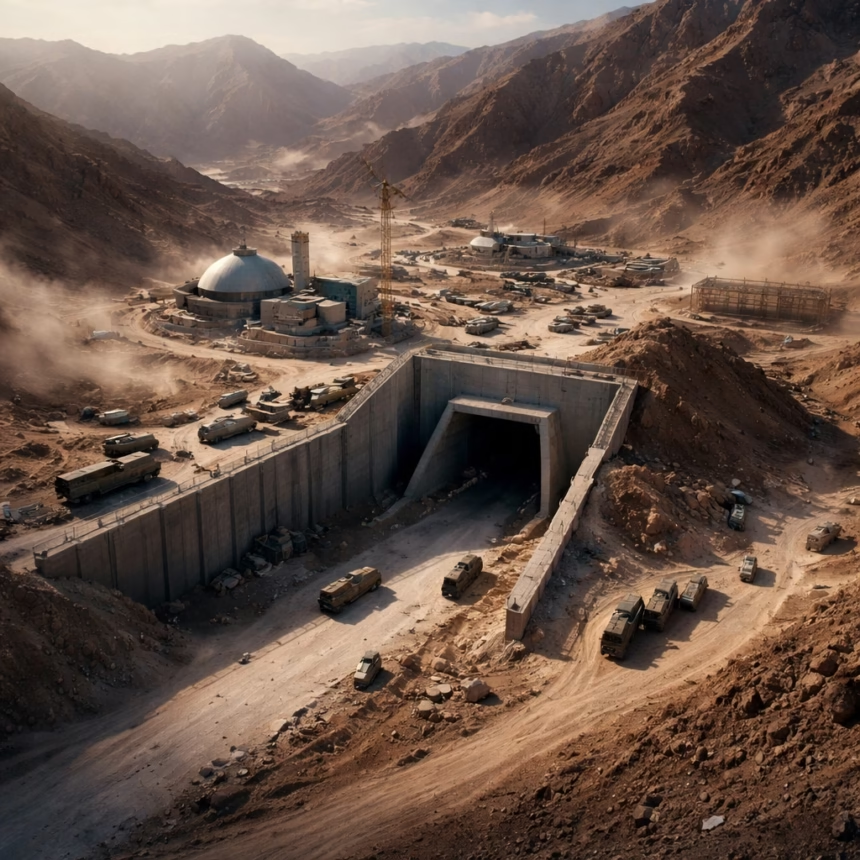
BUNKER BONANZA: Iran's Secret Nuclear Fortresses Exposed
As tensions with the West continue to simmer, satellite images have revealed a shocking transformation taking place in Iran. The country is rapidly converting its nuclear sites into fortified bunkers, sparking concerns about its nuclear program and potential implications for regional stability.
The images, obtained by Reuters, show the construction of reinforced structures and walls at several nuclear facilities, including the Natanz and Fordow sites. The developments come as Iran's nuclear talks with world powers have stalled, and the country is increasingly isolated on the international stage.
A Long History of Nuclear Ambitions
Iran's nuclear program has been a source of contention for decades. The country's first nuclear reactor was activated in 1974, and it has since pursued a program to enrich uranium, a key component of nuclear fuel. In 2002, Iran revealed a secret nuclear facility at Natanz, leading to international pressure and sanctions.
More Read

The 2015 Joint Comprehensive Plan of Action (JCPOA), also known as the Iran nuclear deal, aimed to curb Iran's nuclear program in exchange for relief from economic sanctions. However, the deal has been plagued by disagreements and tensions, and the United States withdrew in 2018, re-imposing sanctions on Iranian oil exports.
Recent Developments
Recent satellite images show significant changes at several nuclear sites. At Natanz, a reinforced structure has been built around the Natanz uranium enrichment facility, with walls and watchtowers constructed to prevent unauthorized access. Similar developments have been observed at Fordow, a secret underground facility near Qom.
The images suggest that Iran is taking steps to harden its nuclear facilities, potentially to protect them from aerial attacks or sabotage. The construction of bunkers and reinforced structures could also be seen as a way to maintain operational continuity in the event of a conflict.
Who's Affected?
The impact of Iran's nuclear program and bunker construction is far-reaching. The international community is watching closely, as any signs of nuclear proliferation or aggression could escalate tensions with Iran and its neighbors.
Regional powers, including Saudi Arabia and Israel, have expressed concerns about Iran's nuclear program and its potential implications for regional stability. The United States has also taken notice, with Secretary of State Antony Blinken warning that Iran's nuclear ambitions pose a significant threat to the Middle East.
What's Next?
As the situation continues to unfold, several key milestones are expected in the coming months. The United States and its allies are likely to continue to pressure Iran to comply with international agreements and norms, while Iran will likely maintain its nuclear program and bunker construction efforts.
More Read

In the short term, the international community will be watching closely for any signs of escalation or aggression from Iran. The long term implications of Iran's nuclear program and bunker construction remain uncertain, but one thing is clear: the situation will continue to be a major point of contention in the Middle East.
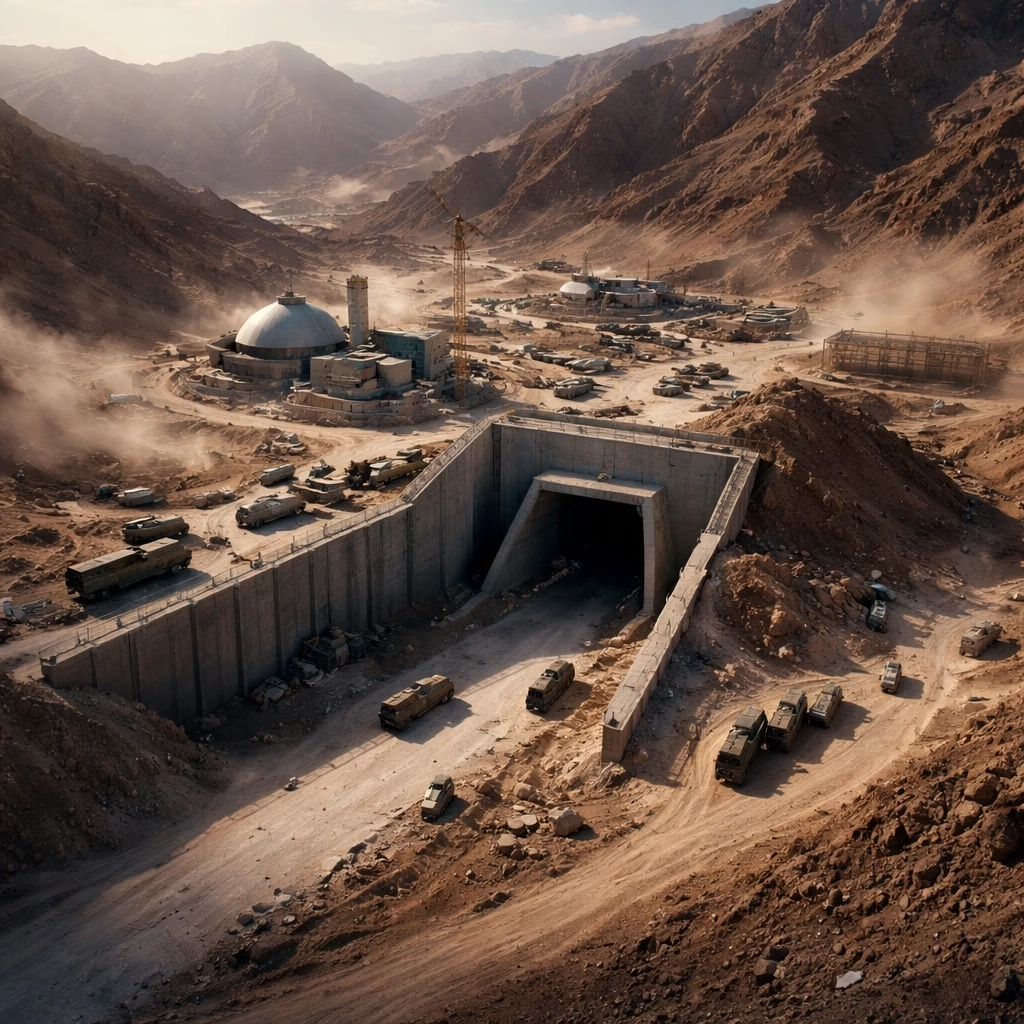
Satellite Images: A Glimpse into Iran's Nuclear Secrets
The satellite images reveal a complex network of reinforced structures and walls at several nuclear facilities. The images show:
* Reinforced walls and watchtowers at the Natanz uranium enrichment facility
* A reinforced structure at the Fordow secret underground facility
* Concrete bunkers and reinforced doors at the Arak heavy water reactor
* A network of tunnels and corridors at the Natanz facility