Fragile Diplomacy: Can Iran and the US Ease Rising Tensions?
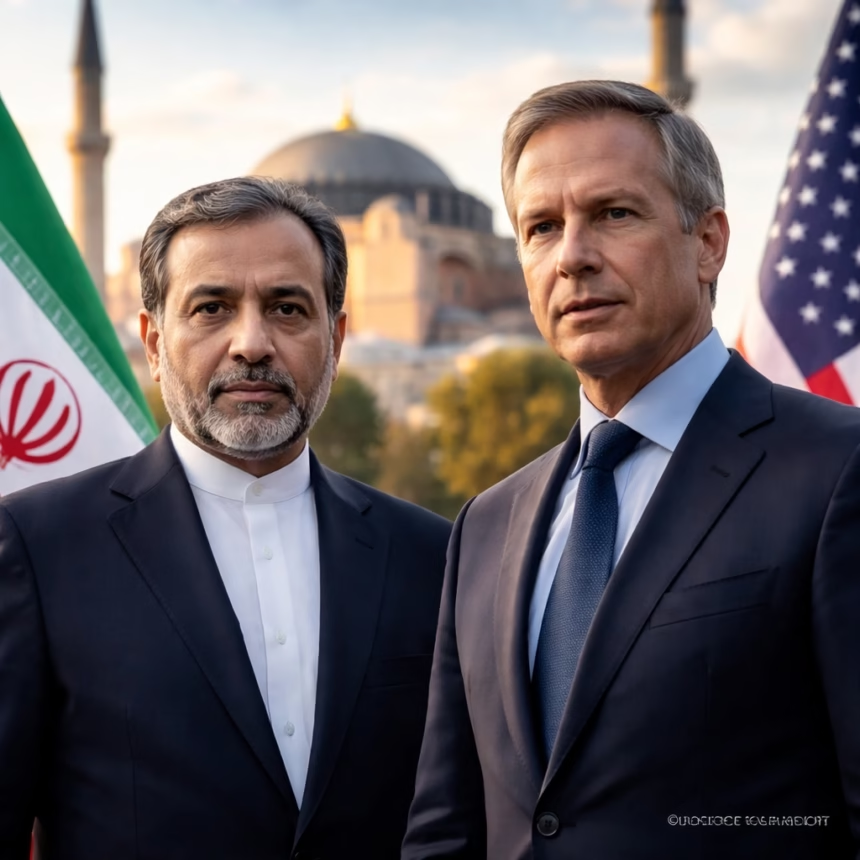
Amid escalating geopolitical tensions, Iran and the United States are poised to engage in direct talks in Istanbul, Turkey, this Friday, November 3, 2023. The meeting, anticipated to be a crucial step in de-escalating the strained relationship, will involve Iranian Foreign Minister Hossein Amir-Abdollahian and US Special Envoy for Iran Brett McGurk.
Background: A History of Confrontation
Relations between Iran and the US have been fraught with hostility for decades, marked by mistrust and conflicting interests. The 1979 Iranian Revolution, the hostage crisis at the US embassy in Tehran, and subsequent sanctions imposed by the US shaped the initial trajectory of the relationship. The 2003 US invasion of Iraq, which removed Saddam Hussein, further fueled tensions, with Iran viewing the action as a destabilizing force in the region.
The nuclear program of Iran has been a central point of contention for years. The US, along with other Western nations, has expressed concerns about Iran’s pursuit of nuclear weapons capabilities, despite Iran's repeated claims that its program is solely for peaceful purposes. The withdrawal of the US from the Joint Comprehensive Plan of Action (JCPOA), also known as the Iran nuclear deal, in 2018 under the Trump administration, significantly worsened the situation, leading to renewed sanctions and escalating tensions.
Key Developments: A Glimmer of Hope?
Recent months have witnessed a tentative shift in the dynamic. While tensions remain high, there have been efforts to find a path toward dialogue. In September 2023, Qatar hosted indirect talks between US and Iranian officials aimed at addressing concerns over the safety of American citizens in the region and easing tensions over the Strait of Hormuz.


The recent drone and missile attacks on Israel, attributed by many to Iran-backed groups, further heightened regional anxieties. The US responded with airstrikes targeting Iranian-affiliated sites in Syria, creating a volatile environment. These events underscore the urgency for diplomatic engagement and risk mitigation.
The upcoming Istanbul meeting is seen as a direct result of these escalating concerns and a potential attempt to establish communication channels to prevent further escalation. This meeting marks a significant step beyond indirect negotiations and offers a platform for direct communication between senior officials.
More Read

Impact: Regional and Global Implications
The potential outcome of these talks has far-reaching implications, not only for Iran and the US but also for the broader Middle East and global security. A successful dialogue could contribute to de-escalating tensions in the region, reducing the risk of conflict, and fostering a more stable environment.
Conversely, a failure to reach a meaningful agreement could lead to a further deterioration of relations and an increased likelihood of military confrontation. The broader implications extend to energy markets, as Iran is a major oil producer, and to global efforts to prevent the proliferation of nuclear weapons.
The meeting's outcome will also influence the dynamics within the region, affecting the activities of proxy groups and the overall balance of power.
Impact on US Citizens
The safety of US citizens, particularly those residing or traveling in the Middle East, is a primary concern. The heightened tensions have led to increased travel advisories and security measures. The talks could potentially lead to a reduction in risks for US citizens in the region.
Impact on Iran’s Economy
US sanctions have severely impacted Iran’s economy, limiting its access to international financial markets and hindering its trade activities. Any progress in easing tensions could potentially lead to a gradual lifting of some sanctions, providing a boost to the Iranian economy. However, the scope and timeline of such relief remain uncertain.
What Next: A Long Road Ahead
The Istanbul meeting is expected to focus on a range of issues, including the nuclear program, regional security, and the release of detained citizens. While a comprehensive resolution is unlikely in a single meeting, the goal is to establish a framework for continued dialogue and cooperation.

Following the Istanbul talks, the path forward will depend on the level of progress achieved. Further rounds of negotiations are anticipated, potentially involving other key players in the region, such as European nations and regional powers. The ultimate goal remains to find a sustainable solution to the long-standing tensions between Iran and the United States.
The success of this diplomatic effort will be closely watched by the international community, as it represents a crucial opportunity to prevent a potentially dangerous escalation and move towards a more stable and secure Middle East. The coming days will be critical in determining whether this moment of dialogue can translate into tangible progress.