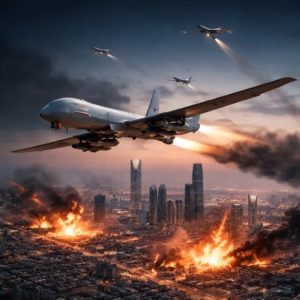
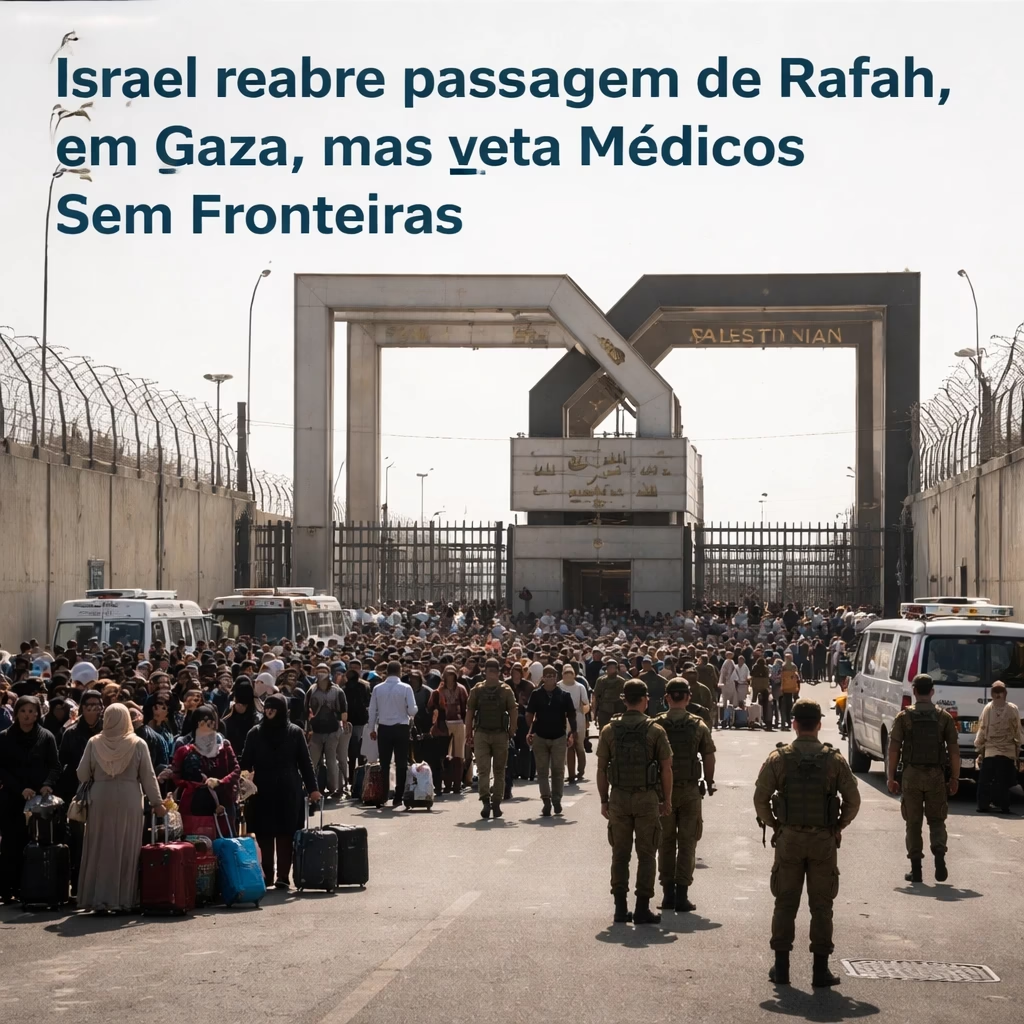
After weeks of intense negotiation, Israel has partially reopened the Rafah crossing into Gaza on May 15, 2024, allowing limited humanitarian aid to enter. However, the Israeli government continues to block entry for Doctors Without Borders (Médecins Sans Frontières), raising concerns about the ability to adequately address the escalating medical needs of the civilian population in the besieged territory.
Background: A Conflict of Scale and Suffering
The current conflict between Israel and Hamas erupted on October 7, 2023, following a large-scale attack by Hamas militants into Israel. Israel responded with extensive airstrikes and a ground offensive in Gaza, a densely populated Palestinian territory bordering Egypt and Israel. The conflict has resulted in a staggering humanitarian crisis, with tens of thousands of Palestinians killed, widespread displacement, and critical shortages of food, water, medicine, and fuel.
Rafah, located in the southernmost part of Gaza, has been the primary point of entry for humanitarian assistance since the conflict began. The crossing, which connects Gaza to Egypt, faced significant restrictions in the initial days of the war, severely hindering aid delivery. Negotiations for its reopening have been ongoing, involving Egypt, Qatar, the United States, and other international actors.
Key Developments: A Partial Opening and Continued Restrictions
On May 15, 2024, Israel announced the partial reopening of the Rafah crossing. The stated purpose is to facilitate the entry of essential humanitarian supplies, including food, water, medicine, and fuel. The opening is initially limited in scope and duration, with specific details regarding the volume of aid allowed to pass through still evolving.
However, a significant sticking point remains the continued denial of entry to Doctors Without Borders (MSF), a leading international medical organization operating in conflict zones. MSF has repeatedly appealed for access to Gaza, highlighting the urgent need for its medical teams and supplies to treat the severely injured and sick. Israeli officials have cited security concerns as the reason for blocking MSF's entry, alleging that the organization has ties to Hamas, a claim MSF vehemently denies.

The Israeli military has also conducted intensified ground operations in several areas of Gaza, particularly in the southern city of Rafah, which is currently home to over a million displaced Palestinians seeking refuge from the fighting. These operations have further complicated aid delivery and heightened fears for civilian safety.
Impact: A Dire Situation for Gazan Civilians
The limited reopening of the Rafah crossing offers a degree of relief, but it falls far short of addressing the immense humanitarian needs of Gaza's population. The lack of adequate food, water, and medicine is having a devastating impact, particularly on children and the elderly. Hospitals are overwhelmed, lacking essential supplies and facing severe power shortages.
More Read

The continued restrictions on humanitarian aid are exacerbating the suffering of civilians. The displacement of hundreds of thousands of people to Rafah has placed immense strain on already limited resources. The risk of disease outbreaks is also growing due to unsanitary conditions and lack of access to clean water.
The denial of entry to Doctors Without Borders is particularly concerning. The organization has been providing critical medical care in Gaza for decades, and its absence will undoubtedly worsen the already dire health situation.
Medical Crisis Deepens
Gaza’s healthcare system has been crippled by the ongoing conflict. Hospitals are operating at maximum capacity with limited supplies, and many have been forced to close due to damage or lack of fuel. The lack of anesthesia, surgical equipment, and even basic medications is leading to preventable deaths and severe suffering.
Displacement Crisis Continues
Over 1.3 million Palestinians in Gaza have been displaced from their homes since the start of the conflict. Many have sought refuge in overcrowded shelters, schools, and mosques, with limited access to basic necessities. The situation in Rafah is particularly precarious, with over a million people crammed into a small area.
What Next: Uncertainty and Ongoing Negotiations
The future of aid delivery to Gaza remains uncertain. The partial reopening of the Rafah crossing is a step in the right direction, but it is insufficient to address the scale of the humanitarian crisis. Further negotiations are needed to ensure that aid can reach those who need it most.
International pressure is mounting on Israel to lift restrictions on aid and allow entry to humanitarian organizations like MSF. The United Nations and other international bodies are calling for a ceasefire and a sustained humanitarian response.

The upcoming weeks will be critical in determining the course of the conflict and the fate of the civilian population in Gaza. The ability to secure consistent and adequate aid delivery, along with the protection of civilians, will be paramount.