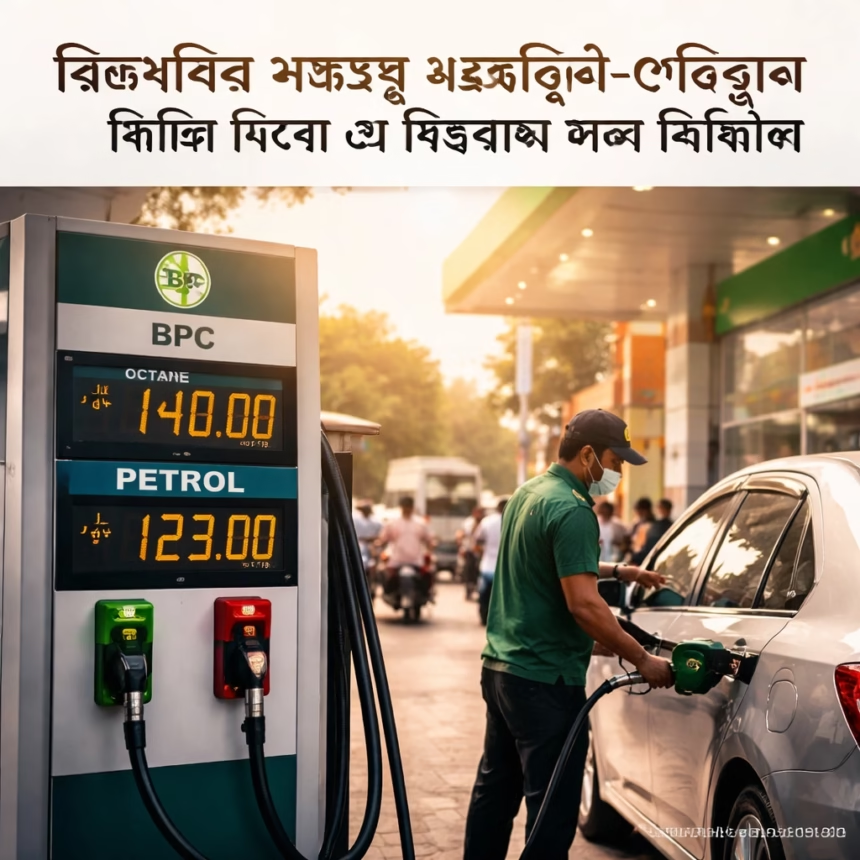
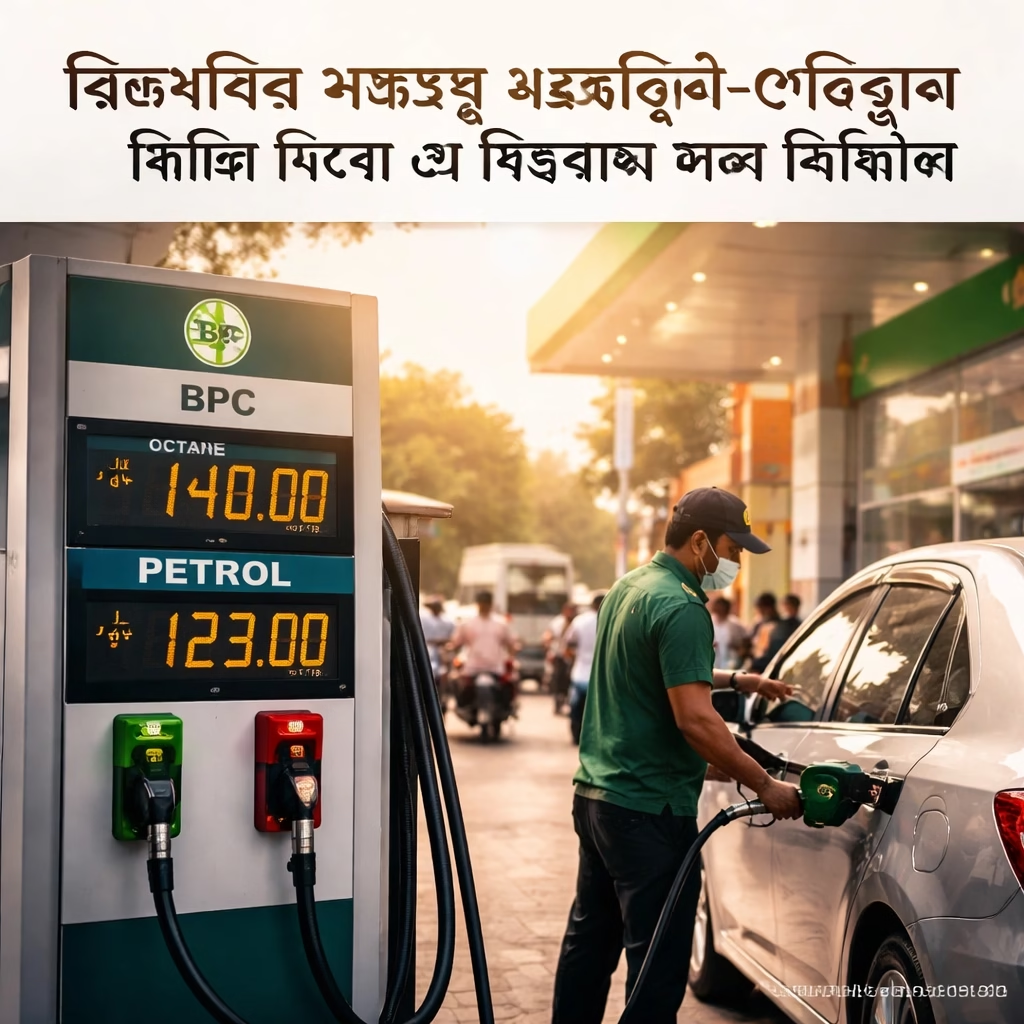
Bangladesh Petroleum Corporation (BPC) has issued a significant directive aimed at streamlining and regulating the sale of octane and petrol across the nation's divisional cities. This pivotal move, announced last week, seeks to combat fuel adulteration, ensure quality control, and optimize the distribution network, promising a notable shift in how these essential fuels reach consumers in major urban centers.
Background: A Legacy of Fuel Distribution Challenges
For decades, Bangladesh's fuel distribution system has grappled with various challenges, including an intricate chain of intermediaries, inconsistent quality control, and the pervasive issue of adulteration. The Bangladesh Petroleum Corporation, as the sole importer and distributor of crude oil and refined petroleum products, plays a critical role in supplying the nation's energy needs. However, the vast network of dealers, sub-dealers, and informal vendors, particularly in rapidly expanding divisional cities, has often made comprehensive oversight difficult.
The existing framework, while extensive, sometimes allowed for loopholes that facilitated the mixing of lower-grade fuels or other substances with octane and petrol, leading to significant economic losses for consumers and damage to vehicle engines. Public outcry over compromised fuel quality has been a recurring theme, prompting calls for stricter regulations and a more transparent distribution system. Previous attempts at reform have met with varying degrees of success, often hampered by logistical complexities and resistance from entrenched interests. The rapid urbanization of divisional cities, coupled with an escalating demand for fuel, has further highlighted the urgent need for a robust and reliable supply chain that guarantees product integrity.
Key Developments: BPC’s New Mandate Takes Shape
The recent directive from BPC represents a decisive step towards addressing these long-standing issues. Effective from July 1st, the new mandate specifies stringent conditions for the sale of octane and petrol within all eight divisional cities of Bangladesh – Dhaka, Chattogram, Rajshahi, Khulna, Barishal, Sylhet, Rangpur, and Mymensingh. The core of the directive revolves around limiting fuel sales to authorized, purpose-built filling stations that adhere to specific operational, safety, and environmental standards.
According to the instruction, informal roadside vendors, small shops, and unauthorized outlets, which previously contributed to a significant portion of fuel sales in these areas, will no longer be permitted to sell octane or petrol. This measure is primarily aimed at eliminating points of sale where adulteration is most prevalent and quality checks are virtually non-existent. Furthermore, BPC has emphasized the necessity for all authorized filling stations to install modern automated dispensing systems and maintain digital records of sales, ensuring transparency and accountability. A key component of the directive also includes regular, unannounced inspections by BPC-appointed teams to verify fuel quality and adherence to regulatory standards. Any station found in violation of these guidelines faces immediate suspension of its license and punitive action, signaling BPC's resolve to enforce compliance.
More Read

Impact: Reshaping the Fuel Landscape
The implications of BPC's new directive are far-reaching, affecting consumers, fuel dealers, and the broader economy in divisional cities.
For Consumers: Quality, Availability, and Price Stability
Consumers are expected to be the primary beneficiaries of this directive. The assurance of receiving unadulterated, high-quality octane and petrol will protect vehicle engines, improve fuel efficiency, and reduce maintenance costs. While the immediate convenience of buying fuel from a nearby small shop might diminish, the long-term benefits of reliable quality are significant. There is also an expectation that a more regulated market could lead to greater price stability, as unauthorized mark-ups by informal vendors are eliminated. However, some remote areas within divisional boundaries might experience temporary challenges in accessing fuel if compliant stations are not readily available.
More Read

For Dealers and Retailers: Compliance and Competition
Authorized filling station owners will face increased scrutiny and the imperative to upgrade their facilities to meet the new standards. This may involve significant investment in technology, safety equipment, and training for personnel. While some smaller, non-compliant stations may be forced to close, those that adapt and comply stand to gain a larger market share and improved public trust. The directive is likely to foster a more competitive environment among compliant stations, potentially leading to better service for consumers. Unlicensed vendors, who previously operated outside the regulatory framework, will be forced to cease operations, leading to a significant consolidation of the retail fuel market.
For BPC and Government: Enhanced Oversight and Revenue
For BPC, this directive is a major step towards achieving its goals of robust quality control and efficient supply chain management. By centralizing sales through authorized channels, BPC can more effectively monitor distribution, track sales data, and implement quality assurance protocols. This enhanced oversight is expected to reduce incidents of fuel adulteration, thereby safeguarding public health and the environment from harmful emissions caused by substandard fuels. Furthermore, a more transparent sales process could lead to improved revenue collection for the government, as informal transactions are brought into the formal economy.
What Next: Implementation, Challenges, and Future Outlook
The successful implementation of BPC's directive will depend on robust enforcement and the cooperation of various stakeholders. BPC has indicated plans for a phased implementation, with intensive public awareness campaigns launched in the coming weeks to inform both consumers and vendors about the new regulations. Task forces comprising officials from BPC, local administration, and law enforcement agencies are being formed to conduct regular inspections and take action against non-compliant entities.
Expected Milestones and Challenges
The initial phase will focus on strict enforcement in the core urban areas of divisional cities, gradually expanding to peripheral zones. A key challenge will be managing the transition for informal vendors, many of whom rely on fuel sales for their livelihood. BPC and local authorities are exploring options for retraining or alternative livelihood programs for these individuals, though specific details are yet to be finalized. Logistics for ensuring adequate supply to all authorized stations, especially during peak demand, will also be a critical operational aspect to monitor. Industry associations representing fuel station owners have largely welcomed the move, emphasizing the need for clarity on investment incentives and support for upgrades. Consumer rights organizations have also lauded the directive, calling for sustained monitoring to prevent any relapse into old practices.
Long-Term Vision
Looking ahead, BPC envisions a modernized, transparent, and quality-assured fuel distribution network across Bangladesh. The success of this initiative in divisional cities could pave the way for similar regulations in district towns and other major economic hubs. The long-term goal is to establish a fuel market where every liter of octane and petrol sold meets national and international quality standards, contributing to a healthier environment, more efficient transportation, and greater economic stability for the nation. This directive marks not just a change in fuel sales, but a significant step towards a more accountable and quality-driven energy sector in Bangladesh.