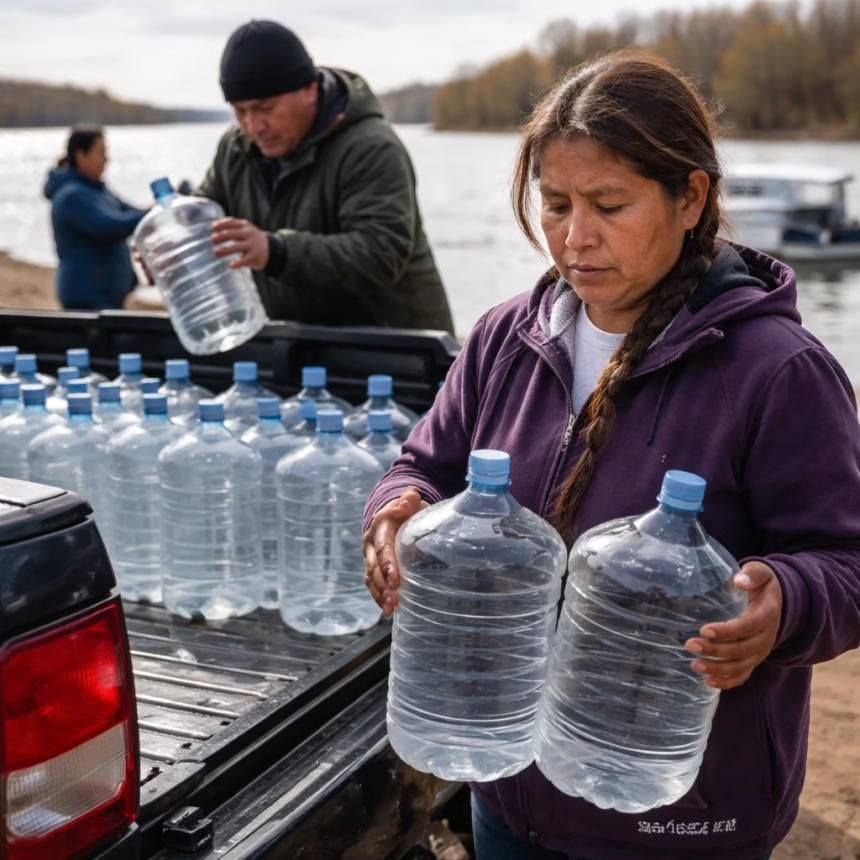
Residents of the Kashechewan First Nation in northern Ontario are facing a critical water crisis after their treatment plant failed, leaving them with no access to clean drinking water. The community of approximately 2,000 people has been advised to use bottled water or water from the nearby Albany River for all their needs, including drinking, cooking, and hygiene. The situation has raised concerns about the ongoing infrastructure challenges in Indigenous communities across Canada.
Background
The Kashechewan First Nation has a long history of water quality issues. In 2005, a boil water advisory was issued after high levels of E. coli were detected in the water supply. The advisory lasted for nearly two years, and while the treatment plant was eventually repaired, the community has continued to face intermittent water quality problems.
In 2016, the federal government committed to ending all long-term drinking water advisories on reserves by March 2021. However, as of 2023, more than 30 advisories remain in place, including in Kashechewan. The failure of the treatment plant in 2023 highlights the ongoing struggle to provide reliable access to clean water in Indigenous communities.
Key Developments
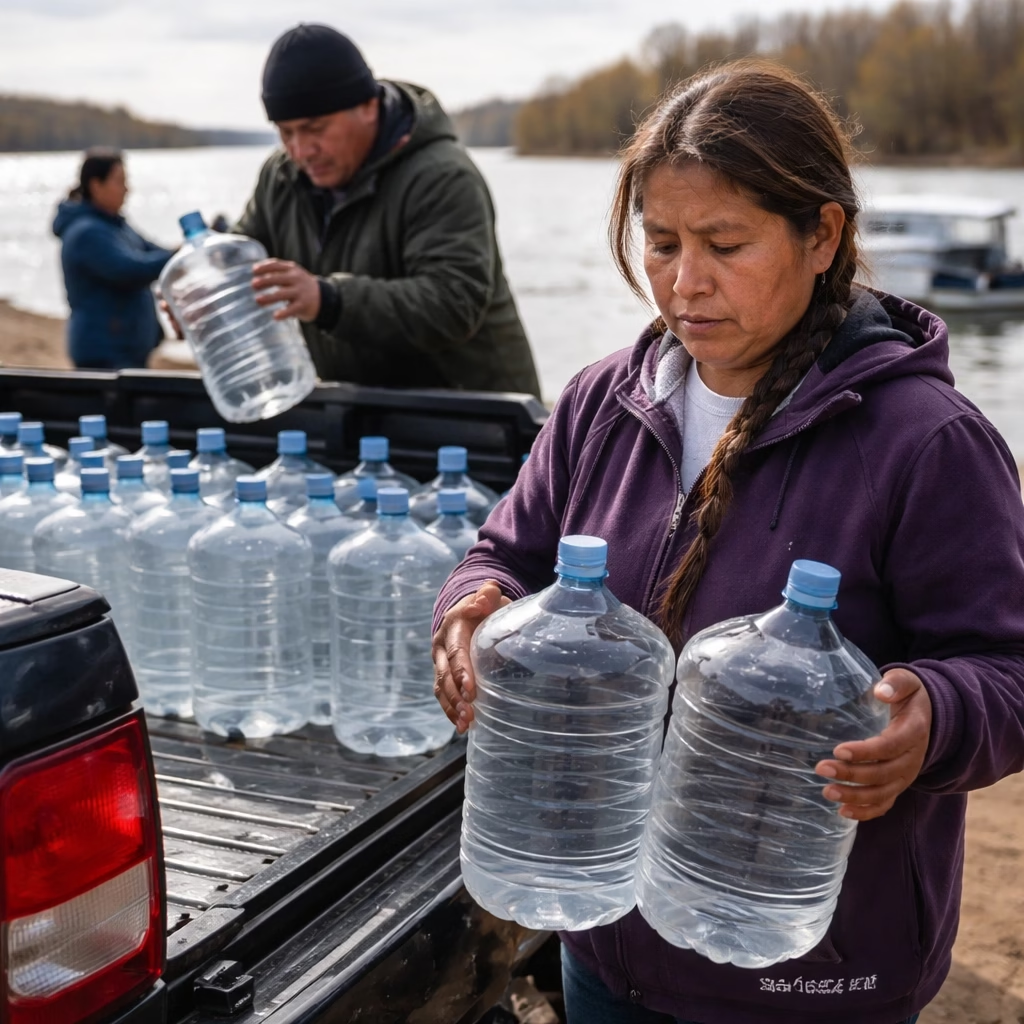
On May 1, 2023, the treatment plant in Kashechewan failed, leaving the community without access to treated water. The cause of the failure has not yet been officially announced, but the community has been relying on a backup system since then. However, the backup system has also been unreliable, prompting the decision to switch to bottled water and river water for all needs.
In response to the crisis, the federal government has promised to provide additional funding and resources to repair the treatment plant and improve the community's water infrastructure. Indigenous Services Canada has also deployed a team of experts to assess the situation and provide immediate support.

Impact
The water crisis has had a significant impact on the community, particularly on vulnerable populations such as children, the elderly, and those with pre-existing health conditions. Many residents have reported feeling anxious and stressed about the situation, and some have chosen to leave the community temporarily to access clean water elsewhere.
In addition to the health impacts, the crisis has also disrupted daily life in the community. Schools have had to adjust their schedules to accommodate the lack of clean water, and local businesses have reported a decline in customers due to the uncertainty surrounding the water supply.
More Read

What Next
The community and federal government officials are working together to find a long-term solution to the water crisis. In the immediate term, the focus is on repairing the treatment plant and ensuring that the community has access to clean water as quickly as possible. In the long term, the community is calling for greater investment in water infrastructure to prevent similar crises from occurring in the future.
The situation in Kashechewan highlights the urgent need for action to address the ongoing water crisis in Indigenous communities across Canada. While the federal government has made progress in recent years, much more needs to be done to ensure that all Canadians have access to clean, safe drinking water.