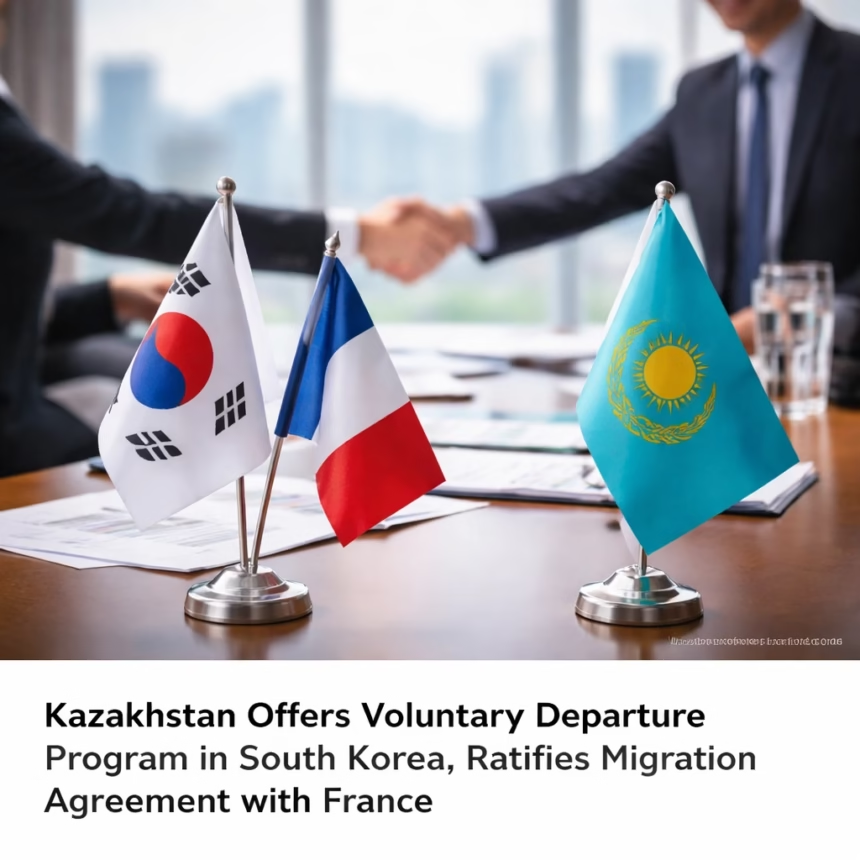
Kazakhstan is actively reshaping its approach to international migration, recently launching a voluntary departure program for its undocumented citizens in South Korea while simultaneously ratifying a comprehensive migration agreement with France. These dual initiatives underscore a strategic shift towards managing both the challenges of irregular migration and the opportunities presented by structured labor mobility abroad.
Background: Kazakhstan’s Evolving Migration Landscape
For decades, economic disparities and the pursuit of better opportunities have driven a segment of Kazakhstan's population to seek employment abroad. South Korea, in particular, became a significant destination for Kazakh citizens, many of whom entered on tourist visas and overstayed, becoming undocumented workers. This situation has led to humanitarian concerns, legal vulnerabilities for individuals, and diplomatic complexities between the two nations. Concurrently, Kazakhstan has sought to deepen its ties with European partners, including France, recognizing the mutual benefits of regulated migration for skilled labor, education, and cultural exchange. The absence of a robust legal framework often meant that migration to such countries was either unregulated or relied on individual visas, lacking comprehensive bilateral support.
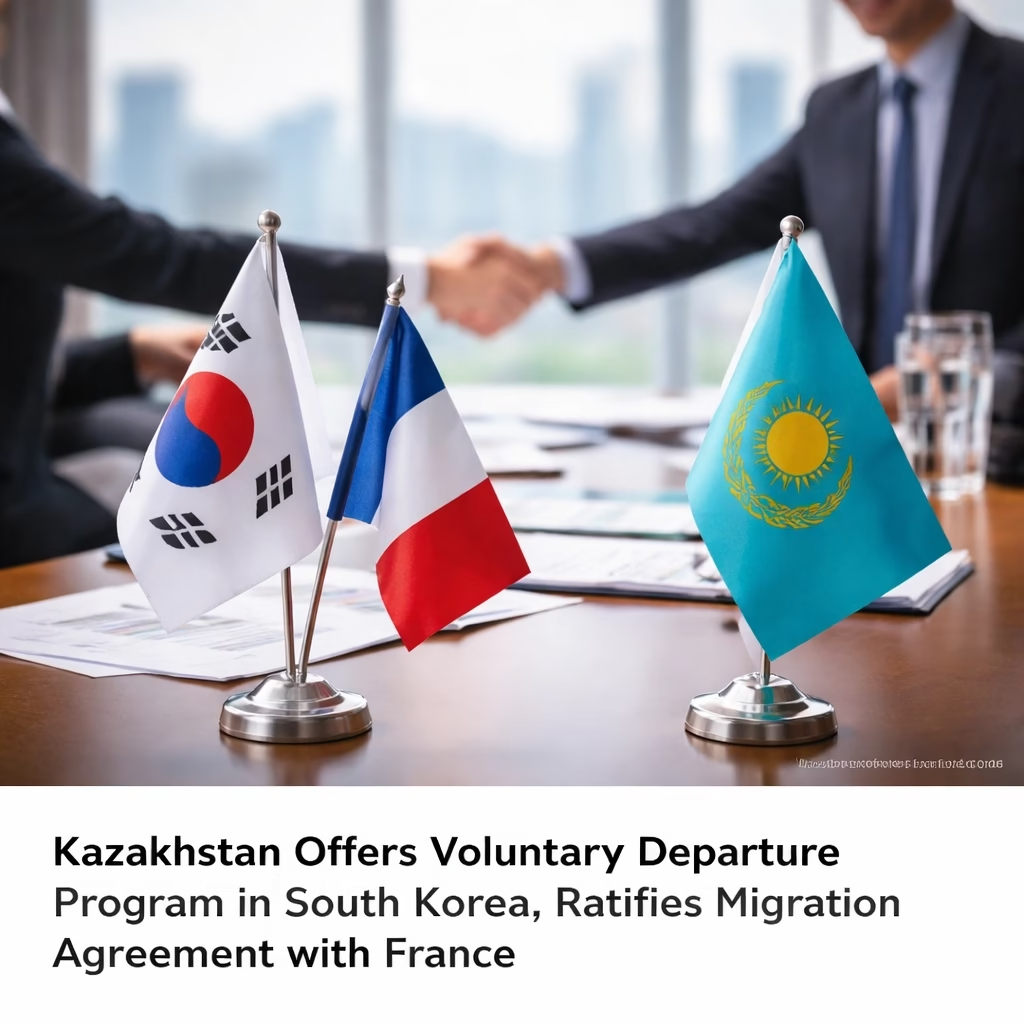
Key Developments: Dual Fronts in Migration Policy
Kazakhstan's recent actions represent a concerted effort to address these distinct migratory patterns through targeted diplomatic and administrative measures.
Voluntary Departure Program in South Korea
Responding to the growing number of undocumented Kazakh citizens in South Korea, the Kazakh government, in cooperation with South Korean authorities, initiated a voluntary departure program. This program offers a critical window for individuals who have overstayed their visas to return to Kazakhstan without facing the usual penalties, such as fines or long-term entry bans to South Korea.
More Read

The initiative, launched recently, targets thousands of Kazakh citizens estimated to be working irregularly in various sectors across South Korea. Participants are typically required to register with their respective embassies or consulates, settle any outstanding issues, and arrange their return travel within a specified timeframe. The primary objective is to regularize the status of these individuals, preventing future legal complications and allowing for a more dignified return home. This humanitarian gesture also aims to alleviate the burden on consular services and improve bilateral relations by reducing the prevalence of irregular migration.
Ratification of Migration Agreement with France
In a move signaling a forward-looking approach to international labor mobility, Kazakhstan recently ratified a comprehensive migration agreement with France. This landmark agreement establishes a legal framework for organized migration, fostering cooperation in areas such as labor mobility, student exchanges, and the fight against illegal migration.
The agreement outlines clear procedures for Kazakh citizens to legally work, study, and reside in France, and vice-versa, focusing on skilled professionals, students, and researchers. It is expected to facilitate the mutual recognition of qualifications, streamline visa processes, and potentially include provisions for social security coordination. For Kazakhstan, this agreement opens doors to the European labor market, allowing its citizens to gain valuable international experience and expertise, particularly in sectors where France has advanced industries. For France, it provides a regulated source of skilled labor and strengthens academic and scientific cooperation with a key Central Asian partner. The ratification marks a significant step towards diversifying Kazakhstan's international partnerships and creating structured pathways for its citizens to engage globally.
More Read

Impact: A Shifting Paradigm for Kazakh Citizens
These dual initiatives carry profound implications for thousands of Kazakh citizens, both those currently abroad and those contemplating future international endeavors.
For Citizens in South Korea
The voluntary departure program offers a lifeline to individuals living under the constant threat of deportation and legal repercussions. By participating, they can avoid punitive measures, including potential fines and extended bans from re-entering South Korea, which could last for many years. This allows for a clean slate and the possibility of a legal return to South Korea in the future, should circumstances permit. However, returning citizens may face challenges of reintegration into the Kazakh labor market and society, necessitating support mechanisms from the government. The program also highlights Kazakhstan's commitment to protecting its citizens' welfare, even when they are abroad and in irregular situations.
For Citizens Eyeing France and Europe
The migration agreement with France represents a paradigm shift from informal to formal pathways. It provides transparency, legal certainty, and protection for Kazakh citizens seeking opportunities in France. This reduces the risks associated with irregular migration, such as exploitation and precarious living conditions. The agreement is particularly beneficial for students aiming for higher education in France's renowned universities and for skilled professionals seeking to apply their expertise in a European context. It is anticipated to facilitate knowledge transfer, cultural exchange, and human capital development, contributing to Kazakhstan's overall socio-economic progress.
Broader Diplomatic and Economic Implications
On a broader scale, these actions enhance Kazakhstan's diplomatic standing. The voluntary departure program demonstrates a responsible approach to managing migration challenges with partner countries, strengthening ties with South Korea. The agreement with France elevates Kazakhstan's relationship with a major European power, positioning it as a reliable and proactive partner in international cooperation. Economically, regulated labor migration can lead to increased remittances, skill development, and the potential for returnees to contribute to the national economy with newfound expertise and capital.
What Next: Future Outlook and Implementation
The success and long-term impact of these initiatives will depend on effective implementation and ongoing evaluation.
Monitoring and Evaluation
For the South Korea program, the Kazakh government will likely monitor the number of returnees and their reintegration process, potentially offering support programs to help them re-establish themselves. For the France agreement, joint committees involving representatives from both nations are expected to be formed to oversee its implementation, develop specific protocols, and address any emerging issues. This will include defining quotas for various categories of migrants, establishing clear application procedures, and ensuring the smooth flow of information.
More Read

Potential for Similar Initiatives
The success of the South Korea voluntary departure program could serve as a model for similar initiatives in other countries where significant numbers of undocumented Kazakh citizens reside. Likewise, the comprehensive agreement with France could pave the way for similar bilateral migration agreements with other European Union member states or other developed nations, further diversifying Kazakhstan's international labor mobility options. Such agreements could focus on specific sectors facing labor shortages or areas of mutual economic interest.
Long-Term Vision for Migration Policy
These developments signal Kazakhstan's commitment to a more strategic and humane approach to migration. The long-term vision includes protecting the rights and interests of its citizens abroad, promoting legal and safe migration pathways, and leveraging international cooperation to enhance its human capital. The Ministry of Foreign Affairs and the Ministry of Labor and Social Protection will play crucial roles in refining these policies, engaging in further diplomatic negotiations, and ensuring the welfare of Kazakh citizens globally. This proactive stance aims to transform migration from a challenge into a managed opportunity for national development and individual empowerment.